
Yoga has grown into a versatile and widely practised discipline, offering a variety of styles that cater to different goals, fitness levels, and personal preferences. Whether you are just starting out or have years of experience, choosing the right type of yoga can feel challenging. By understanding the unique qualities of each style and how they align with your needs, you can create a practice that is both effective and enjoyable.
A well-chosen Yoga Studio can play a significant role in this journey, providing guidance, structure, and a supportive environment for your practice. The right studio not only offers diverse classes suited to your goals but also helps you stay consistent and motivated. By finding a studio that matches your preferences and comfort level, you set the foundation for a more fulfilling and sustainable yoga experience.
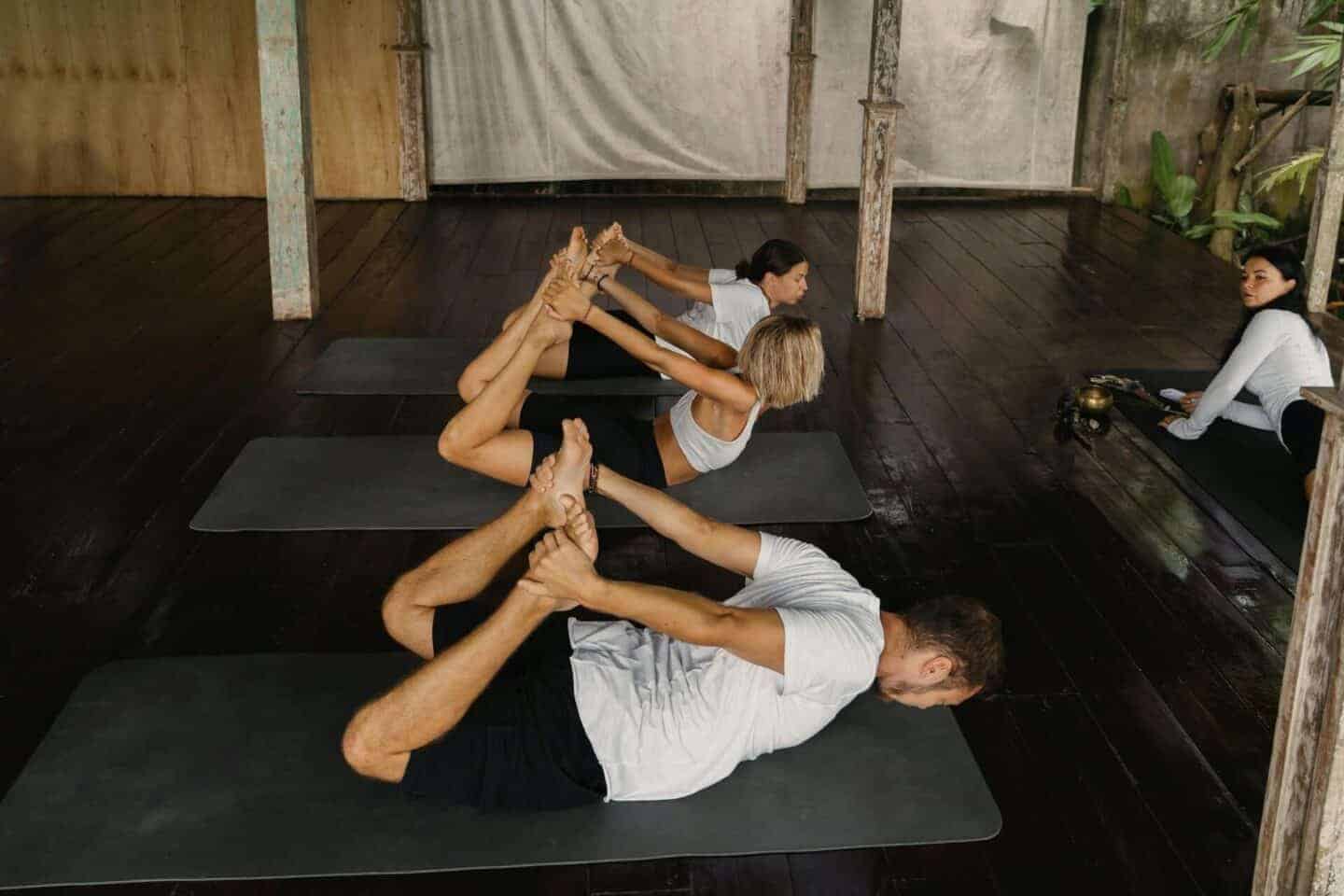
Understand Your Goals
The first step in choosing the right yoga style is to identify what you want to achieve. Are you looking to improve flexibility, build strength, reduce stress, or support injury recovery? Your objective will guide your decision.
- For relaxation and stress relief, slower-paced styles such as Hatha or Yin yoga are ideal. These focus on gentle movements, breathwork, and mindfulness.
- For strength and fitness, more dynamic styles like Vinyasa or Power Yoga offer a physically challenging workout.
- For rehabilitation or beginners, restorative yoga or beginner-friendly Hatha classes provide a supportive environment.
Clarifying your goals ensures that your practice remains purposeful and motivating.
Explore Popular Yoga Styles
Each yoga style has its own philosophy, pace, and physical demands. Here are some of the most common options:
Hatha Yoga: Often recommended for beginners, Hatha yoga emphasises basic postures and controlled breathing. Classes tend to be slower, making them accessible for those new to yoga.
Vinyasa Yoga: This style links movement with breath in a flowing sequence. It is more energetic and can improve cardiovascular fitness while enhancing coordination and flexibility.
Yin Yoga: Yin focuses on long-held, passive stretches that target deep connective tissues. It is particularly beneficial for improving flexibility and promoting relaxation.
Ashtanga Yoga: A structured and physically demanding practice, Ashtanga follows a fixed sequence of poses. It suits those who enjoy discipline and consistency.
Restorative Yoga: Designed for deep relaxation, this style uses props to support the body in restful positions. It is ideal for stress management and recovery.
Consider Your Fitness Level and Health
Your current fitness level and any existing health conditions should play a significant role in your choice. If you are recovering from injury or managing chronic pain, consult a healthcare professional before starting. Gentle styles with a focus on alignment and support are generally safer options in such cases.
For those already physically active, a more vigorous practice may complement your routine. However, balance is important, incorporating slower sessions can help prevent burnout and improve overall well-being.
Think About Your Schedule and Environment
Consistency is crucial in yoga. Choose a style and class format that fits realistically into your schedule. If you have limited time, shorter, more dynamic classes might be more practical. Alternatively, if you value relaxation after a long workday, evening Yin or restorative sessions could be more beneficial.
You may also consider whether you prefer practising at home or in a studio. Online classes offer flexibility, while in-person sessions provide guidance and community.
Try Before You Commit
Many studios and online platforms offer trial classes or introductory packages. Take advantage of these opportunities to explore different styles and instructors. Personal preference plays a significant role, what works for someone else may not resonate with you.
Pay attention to how you feel during and after each session. A suitable yoga style should leave you feeling challenged yet refreshed, not overwhelmed or discouraged.
Final Thoughts
Choosing the right yoga style is a personal journey rather than a one-size-fits-all decision. By understanding your goals, exploring different approaches, and listening to your body, you can find a practice that supports both your physical health and mental well-being. Over time, your preferences may evolve, and that flexibility is part of what makes yoga such a valuable lifelong practice.