
Believe it or not, the modern lifestyle doesn’t favor your posture. With hours spent working on computers and looking at screens, it’s no wonder you often have poor posture and back pain.
But what if we told you you could counteract those daily issues and straighten up Ashtanga Yoga? Yes, that’s right! It is a practice that has been stretching, strengthening, and straightening out people for centuries. The poses in this yoga aren’t just exercises; they’re tools to reshape how you stand, sit, and move through life.
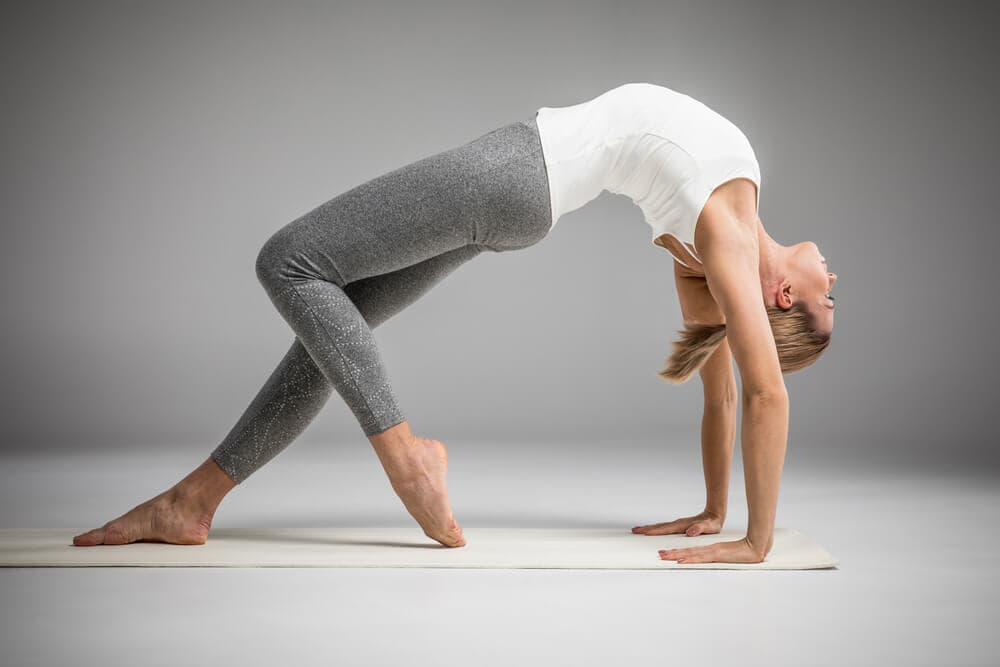
So, if you’re considering embarking on a journey through Ashtanga poses, it’s time to roll out your yoga mat and prepare yourself.
Understanding Ashtanga Yoga
At its foundation, ashtanga yoga is built on a primary series, which detoxifies, aligns, and strengthens the body. This is achieved through a set order of postures, each preparing you for the next. The beauty of this style lies in its combination of breath, posture, and gaze points – or what’s known as the ‘Christiana’ approach. This trifecta is crucial because it helps cultivate concentration and inner control.
What’s particularly unique about this yoga style is its adaptability. Although the sequence is fixed, it’s also scalable to different levels of ability and experience. This means that beginners can start with the most basic form of each pose, which is exactly how Ashtanga is typically introduced in beginner yoga classes.
So, let’s dive into some basic poses you’ll encounter in the Ashtanga Yoga Primary Series.
Standing Poses
In Ashtanga yoga, standing poses are crucial in helping you achieve a strong and graceful posture. Each pose is a step towards retraining your body to stand and move healthier.
These include;
Mountain Pose (Tadasana)
Tadasana is where it all begins. It might look like you’re just standing there, but this pose teaches you how to stand correctly, engaging the muscles you often ignore. It’s the blueprint for an optimal posture—feet firmly rooted, spine elongated, and the breath flowing freely.
Equal Standing(Samasthiti)
It is a pose that might seem similar to Tadasana at a glance, but it is unique. It’s a moment of stillness and balance, where each body part is aligned and equally engaged.
Extended Triangle Pose (Utthita Trikonasana)
Through this pose, you begin to open up the body. It works wonders in extending your torso, promoting better circulation, and strengthening every part of your body.
Extended Side Angle Pose (Utthita Parsvakonasana)
This pose takes expansion sideways, strengthening your legs, knees, and ankles and developing the sides of your torso.
The magic of standing poses in Ashtanga Yoga lies in their alignment and balance. As you move through these poses, remember that each breath and movement is an opportunity to grow taller, stronger, and more balanced.
Seated Poses
Seated poses in Ashtanga aren’t just about sitting down—they’re about setting the stage for stronger posture. They help extend your spine, promoting that natural ‘S’ curve that’s so important for good posture.
Let’s explore a few that are particularly good at giving your posture the boost it needs.
Big Toe Pose (Padangusthasana)
It might sound fancy, but it’s essentially a seated forward bend where you grab your big toes. This pose helps you build a foundation for all your forward folds, which are great for stretching your hamstrings and bringing length to your spine. It’s like ironing out the kinks in a bent wire, making your spine longer and straighter.
Hand to Foot Pose (Padahastasana)
This one stretches up a notch by having you slide your hands under your feet. It sounds like a twist, but it’s an incredible way to give your back a deeper stretch and to induce stubborn hamstrings into greater flexibility.
Extended Hand-to-Big-Toe Pose (Utthita Hasta Padangusthasana)
This pose adds a little balance challenge to the mix. Balancing on one leg while holding the other out isn’t just a party trick—it strengthens your legs and core, which are the pillars of good posture.
The Chair Pose (Utkatasana)
This is deceiving in name because there’s no chair to sit on. This imaginary seat-making requires bending your knees and squatting, powering your thighs and glutes. It’s a thigh-burner, sure, but it’s also a fantastic way to build the muscle strength necessary for standing tall and confident.
When you link these poses together in a seated sequence, they do more than just stretch your muscles. In fact, they engage and strengthen your core, which is vital for supporting your spine.
Closing Poses
After a dynamic Ashtanga sequence, closing poses are like the gentle end of a profound conversation; they allow you to absorb the benefits of your practice and leave you with a lasting sense of balance.
Let’s explore some of these key poses that encourage a peaceful mind.
Locust Pose (Salabhasana)
This pose is a true spine strengthener. It includes lifting through your back as if you’re moving upwards like a locust. It’s not just about going up, though; it’s about lengthening. As you rise, your spine stretches, and those often-neglected back muscles get a good workout.
Frog Pose (Bhekasana)
This pose opens up your chest and the front of your body, counteracting the forward fold of life over desks and phones. And as you do, your posture naturally improves because a balanced body stands straighter.
Bow Pose (Dhanurasana)
This is where you indeed find balance. Think of it as drawing a bow to launch an arrow. As your body mimics the bow, the back muscles work in harmony, creating a balance of strength and flexibility. This balance is crucial for a posture that’s resilient yet adaptable.
Camel Pose (Ustrasana)
This pose is your path to an upright posture. It’s not just bending backward; it’s a controlled arch that teaches your body to open from the heart, pushing your shoulders back and reducing that all-too-common rounded posture.
These closing poses, with their nurturing touch, bring your body and mind back to a state of equilibrium. They’re the perfect finale to your practice, leaving you with a spine that’s ready to stand tall and a mindset that’s clear and calm.
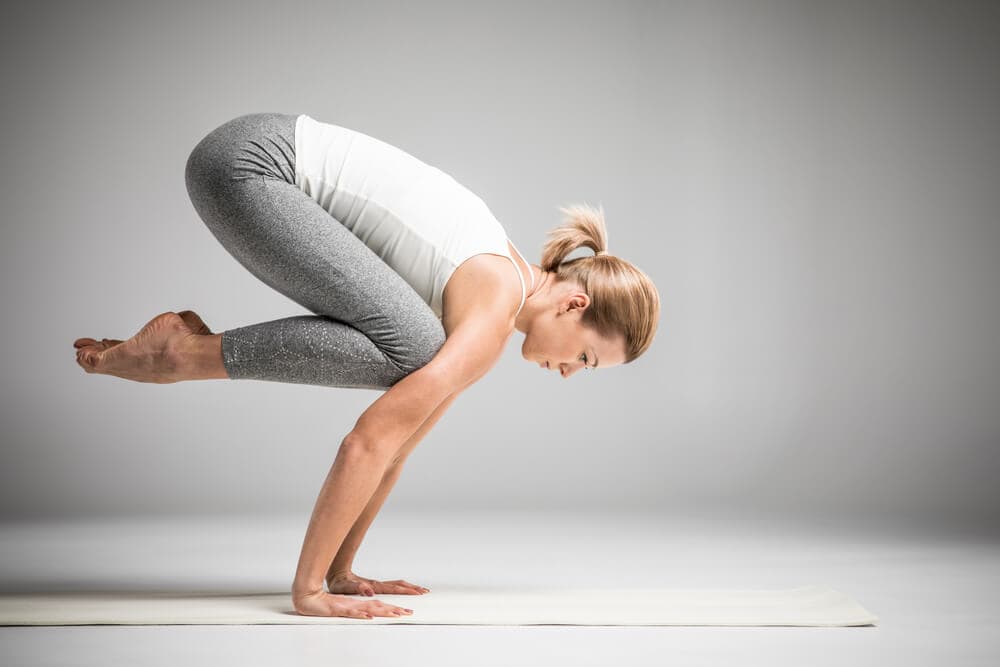
The Final Word
As we wrap up our exploration of Ashtanga Yoga for better posture, remember that each pose is a step toward achieving a harmonious alignment of body and mind. Ashtanga Yoga is a transformative practice that teaches patience, discipline, and awareness, contributing to how you carry yourself. Remember, as you continue to fold and unfold, stretch, and strengthen because the journey to better posture is a gradual one.