
Gardens, plain and simple, require lots of attention.
However, when you maintain your landscape properly, two things do happen. One, it becomes a wonderful place for relaxation. Two, through regular maintenance, you prevent future problems.
This will make your tasks much more manageable, no matter the time of the year!
So, are you ready to reclaim your garden? Here’s a comprehensive checklist you can rely on.
January
Garden maintenance experts recommend you take a stroll through your outdoor vicinity. The point is to identify any issues like broken branches or damaged pathways.
Winter is the time to focus on essential tasks like pruning and replacing struggling specimens.
Remove all fallen debris and waste. This prevents accidents and prepares your greenery for spring’s arrival.
Protect vulnerable cultivars from frost by covering them with protective barriers until warmer weather returns.
Consider which new varieties would suit your local climate and start to plan your spring planting schedule. These preparations lay the groundwork for a flourishing garden sanctuary in the months ahead.
February
The second month of the year offers a chance to focus on dormant trees and shrubs in particular.
Clear away specimens that didn’t survive winter to make room for new ones and maintain the area’s appearance.
Service your equipment and tools by cleaning and sharpening them. When they are in their best shape, they make gardening work much more efficient.
Prepare planting beds by turning the soil and adding compost to enrich it before the growing season begins.
With March approaching, start indoor propagation. Focus on quick-sprouting seeds to give your patch an early start. Setting up a small greenhouse now will ensure your domain bursts with life come spring.
March
Fresh signs of growth emerge as your plot awakens from its winter slumber. These warm days offer the perfect chance to energise your outdoor haven for the season ahead.
Enrich the earth with slow-release nutrients. This gives your dormant plants the boost they need. Hardy vegetables like peas, spinach, and radishes flourish in these mild conditions. This is why now is the ideal time to begin sowing these early crops.
Look for overcrowded perennials that need more room. Relocating them now ensures each plant has space to reach its full potential while helping you create a more balanced layout.
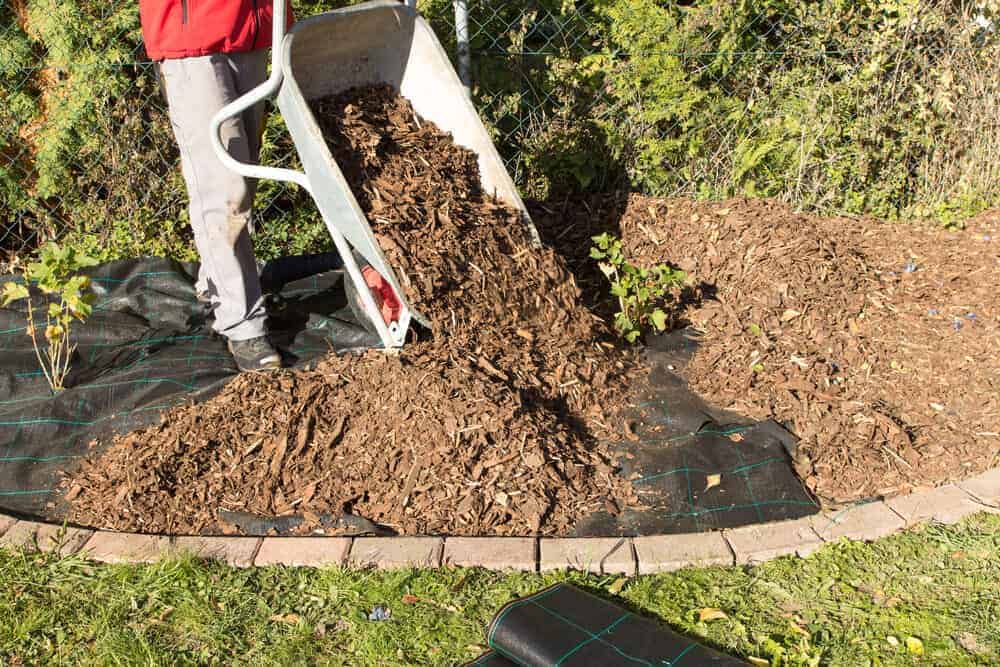
Add mulch as it gets hotter to keep moisture in and weeds out. Remove invaders quickly before they take over.
April
The fourth month is crucial for preparing grassy sections to shine throughout summer. Garden maintenance specialists recommend regular mowing since it will keep your lawn healthy and naturally deter pests.
A well-tended turf not only looks beautiful, but also prevents unwanted vegetation from taking hold.
Test the ground by pressing a fork into the soil. If it resists, loosen the earth with an aerator to help water and oxygen flow freely to root systems. Tackle emerging weeds quickly, pulling them out at once to preserve your garden’s balance.
Skip the harsh herbicides in favour of hand-pulling unwanted growth. This gentler approach protects beneficial insects and the land’s health while keeping your yard naturally beautiful.
Feed your plants with a balanced spring fertiliser to fuel lush, healthy development. Soon, your dedication will transform this patch of terrain into a tranquil retreat that carries you through summer.
May
Warm weather creates ideal conditions for both blooms and edible specimens. Create beautiful combinations by growing marigolds and petunias alongside crops, such as tomatoes, cucumbers, and peppers.
In addition, watch for common insects that emerge in spring. Shield tender seedlings from pests with natural barriers like row covers. Address any infestations early using gentle solutions like neem oil or insecticidal soap.
Support climbing varieties to improve air circulation and prevent disease. Then, add organic matter around plantings to retain moisture and reduce watering needs.

June
Early summer brings rising temperatures, necessitating extra care and attention. To promote new growth, remove fallen petals and spent blossoms. Watch for signs of heat stress like drooping or yellowing leaves, and adjust irrigation as needed.
To improve absorption and reduce evaporation, water your greenery during sunrise or sunset. Feed plants with appropriate nutrients to ensure abundant harvests.
Frequent trimming results in stronger, healthier specimens. It prevents overcrowding and improves airflow. To create rich soil for future flora, start composting yard trash and kitchen leftovers now.
July
High heat waves call for smart water management and extra protection for your garden.
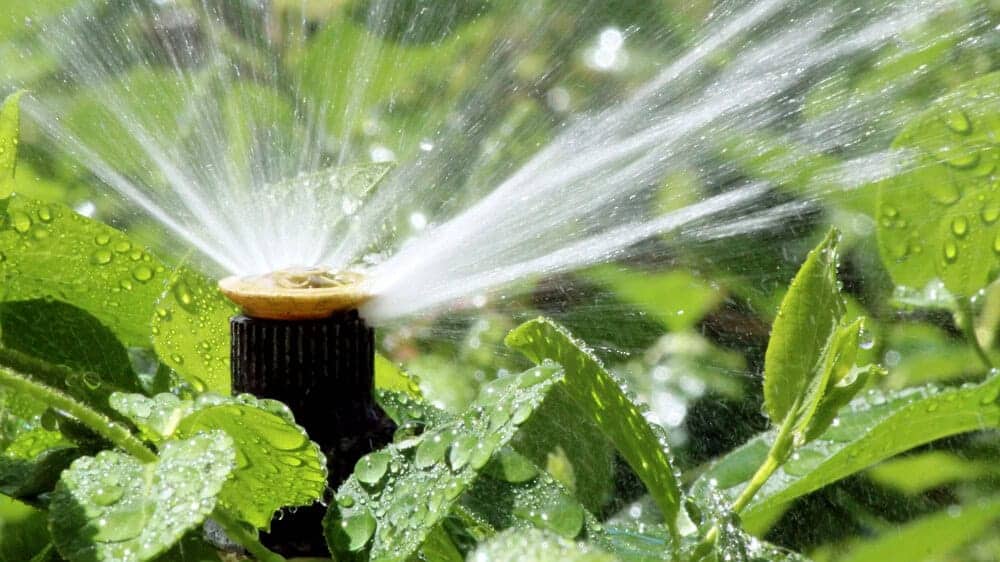
Irrigate deeply during cooler hours to help roots grow stronger. In addition, consider installing efficient systems like soaker hoses or drip lines to deliver moisture directly to plant bases.
A thick layer of organic material will regulate soil temperature and allow the ground to retain more water.
Create shade for sensitive specimens during intense heat using protective covers. Harvest produce regularly as well to maintain steady development and prevent pest problems.
These strategies will allow your landscape to flourish even during the hottest periods.
August
This month is perfect for preparing your domain for the changing seasons because it falls between summer and autumn.
Plant vegetables that can tolerate lower temperatures. Examples are broccoli, kale, and pansies. These varieties will have enough time to develop a strong root network before winter arrives if they are planted now.
Maintaining appropriate moisture levels without oversaturating the earth is also possible with routine ground tests.
Save seeds from the best-performing plants for the following growing season. To avoid pest and disease issues, keep the vicinity neat by clearing away damaged foliage and fallen produce.
September
Add vegetables like kale, carrots, and garlic to extend your growing period. These crops often improve after a light frost and provide fresh produce in winter.
Enrich the terrain with compost and organic matter to support healthy development. This groundwork will prove especially valuable when spring arrives.
Protect the land from winter weather by adding protective coverings or sowing ground covers like clover or rye. These measures prevent erosion and maintain the soil’s quality.
October
Apply protective layers around perennials to shield roots from freeze-thaw cycles. Clean and store equipment properly to prevent damage and extend its lifespan.
Remove annual specimens and any diseased plants to maintain your plot’s health. Shield young or delicate trees and shrubs from winter winds and frost with burlap.
Use this period to plan next year’s layout and consider rotation strategies.

November
Clean and sharpen tools to keep them in top-notch condition. Arrange your storage area with proper shelving and racks to protect your implements.
Design next year’s layout with attention to plant combinations and spacing. Order seeds early to guarantee you will get your preferred varieties before they go out of stock.
If you haven’t already, begin composting to have a reserve of rich nutrients that will last throughout winter.
December
When December rolls around, take a moment to flip through your garden journal. Which plants thrived? What techniques worked wonders? Where could you have done better? This reflection pays dividends.
Don’t neglect that compost pile just because it’s cold. Turn it occasionally and keep adding appropriate kitchen scraps. By spring, you will have black gold for your seedlings.
The garden’s dormant season offers a perfect chance to grow as a gardener. Curl up with that gardening book you’ve been meaning to read, or join an online workshop about something that’s always puzzled you.
These quiet months might just transform next year’s garden in surprising ways.

Conclusion
A well-planned maintenance schedule helps both novice and experienced gardeners create a thriving outdoor garden.
Following these monthly care guidelines ensures your landscape will remain beautiful while making the work more manageable and enjoyable.
So, what are you waiting for? Give your garden the attention it deserves today.