
Gardening enthusiasts and seasoned horticulturists alike know that a thriving garden isn’t just about planting and watering. It’s about creating an environment where plants can flourish, and mulch is a key player in achieving that goal. But what is mulch, and why does it matter for your garden’s health? This blog will delve into the importance of mulching, its various types, and the many benefits it provides to your plants and soil.
What Is Mulch?
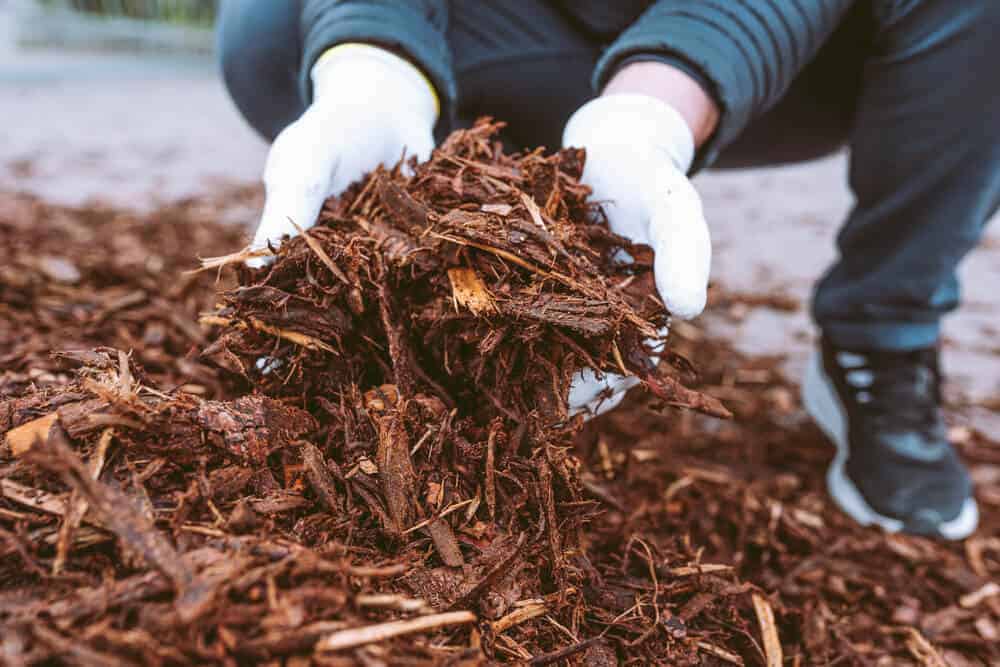
In the simplest terms, mulch is any material spread or laid over the surface of the soil to act as a protective layer. Mulch can be organic or inorganic, and its primary purpose is to improve soil conditions and support plant health. Organic mulches include materials like wood chips, straw, leaves, and compost, which decompose over time, enriching the soil with nutrients. Inorganic mulches, such as rocks, rubber, or landscape fabric, do not decompose but can still offer practical benefits like weed suppression and moisture retention.
The Key Benefits of Mulching
1. Soil Moisture Retention
One of the most significant advantages of mulch is its ability to retain soil moisture. By covering the soil, mulch reduces evaporation, ensuring your plants have consistent access to water. This is especially beneficial during hot, dry seasons when water can quickly evaporate from bare soil.
2. Weed Suppression
Weeds compete with your plants for nutrients, water, and sunlight. A thick layer of mulch acts as a barrier, preventing sunlight from reaching weed seeds and significantly reducing their growth. This saves you time and effort in garden maintenance.
3. Temperature Regulation
Extreme temperatures can stress plant roots and hinder growth. Mulch helps regulate soil temperature, keeping it cooler in the summer and warmer in the winter. This creates a more stable environment for your plants to thrive.
4. Nutrient Enrichment
Organic mulches, such as compost or shredded leaves, break down over time, adding essential nutrients back into the soil. These nutrients promote healthy plant growth and improve soil structure, enhancing aeration and water infiltration.
5. Erosion Prevention
Heavy rains or strong winds can erode the topsoil in your garden, washing away vital nutrients. Mulch acts as a protective shield, holding the soil in place and preventing erosion.
6. Improved Aesthetic Appeal
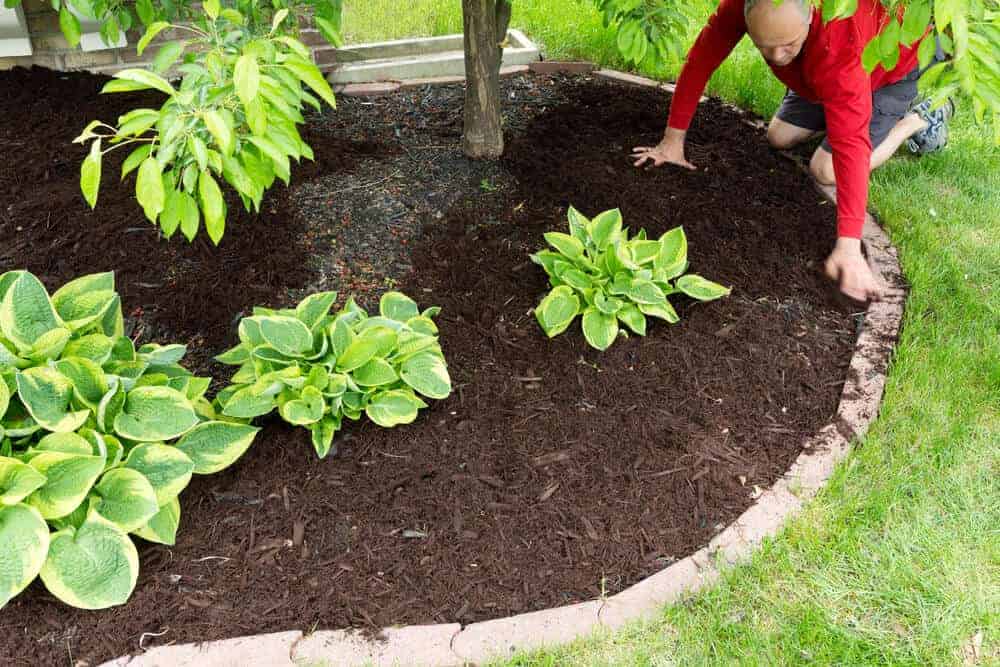
A mulched garden looks neat and well-maintained. Whether you prefer the natural look of wood chips or the sleek appearance of decorative stones, mulch adds a polished touch to your landscaping.
Types of Mulch
Mulch comes in various forms, each with unique benefits. Understanding the different types can help you choose the right one for your garden.
Organic Mulch
- Wood Chips and Bark: Long-lasting and visually appealing, these are great for flower beds and shrubs.
- Straw: Ideal for vegetable gardens as it decomposes quickly, enriching the soil.
- Grass Clippings: A cost-effective option that adds nitrogen to the soil but must be applied sparingly to avoid matting.
- Shredded Leaves: Readily available and nutrient-rich, they are perfect for winter mulching.
- Compost: A gardener’s gold, compost provides nutrients and improves soil health.
Inorganic Mulch
- Landscape Fabric: Often used under organic mulch to enhance weed suppression.
- Gravel and Stones: Durable and decorative, suitable for pathways and drought-tolerant gardens.
- Rubber Mulch: Made from recycled tires, it’s long-lasting and ideal for playgrounds or decorative areas.
How to Apply Mulch Effectively
While mulch offers numerous benefits, applying it incorrectly can lead to problems. Follow these steps to ensure effective mulching:
1. Prepare the Area
Before applying mulch, clear the area of weeds and debris. Ensure the soil is moist and loosened for optimal results.
2. Determine the Right Depth
The thickness of your mulch layer is crucial. A 2–3-inch layer is ideal for most gardens, as it provides effective weed suppression and moisture retention without suffocating plant roots.
3. Keep a Safe Distance from Plant Stems
Avoid piling mulch directly against plant stems or tree trunks. This can lead to moisture buildup, which encourages rot and pests. Leave a 2–3-inch gap around the base of plants.
4. Replenish as Needed
Organic mulches decompose over time, so you’ll need to replenish them periodically. Check your mulch layer every season and add more as needed to maintain its effectiveness.
Special Considerations for Mulching
While mulching is generally beneficial, there are some considerations to keep in mind:
1. Avoid Over-Mulching
Too much mulch can trap excess moisture, leading to root rot or fungal diseases. Stick to the recommended depth of 2-3 inches.
2. Be Mindful of Nitrogen Depletion
Some organic mulches, like wood chips, can temporarily deplete soil nitrogen as they decompose. To counteract this, consider adding a nitrogen-rich fertilizer when applying mulch.
3. Choose the Right Mulch for Your Garden
Different plants have varying needs. For example, vegetable gardens thrive with straw or compost, while perennial beds benefit from wood chips or shredded bark.
4. Consider Local Climate
In colder regions, heavier mulches like straw or shredded leaves can insulate the soil during winter. In warmer areas, lighter mulches like gravel can help keep the soil cool.

Seasonal Mulching Tips
Mulching isn’t a one-size-fits-all practice. Adjust your approach based on the season:
- Spring: Apply mulch after the soil has warmed up. This encourages healthy root growth and suppresses weeds during the growing season.
- Summer: Use mulch to retain moisture and regulate soil temperature during hot months.
- Fall: Add a fresh layer of mulch to protect plant roots from winter frost.
- Winter: Mulch can insulate the soil and prevent frost heave, especially for perennials.
Why Mulching Matters for Sustainable Gardening
Beyond its immediate benefits to plant health, mulching plays a crucial role in sustainable gardening practices. Organic mulches reduce the need for chemical fertilizers by naturally enriching the soil. They also conserve water by reducing evaporation, making your garden more eco-friendly. Additionally, using locally sourced materials like shredded leaves or straw minimizes your garden’s carbon footprint.
Common Mulching Mistakes to Avoid
Even experienced gardeners can make mistakes when mulching. Here are some pitfalls to steer clear of:
- Using Contaminated Mulch: Ensure your mulch is free of weeds or harmful chemicals.
- Applying Mulch Too Early: Mulching cold soil can delay plant growth in the spring.
- Neglecting to Refresh Mulch: Organic mulch breaks down over time, so failing to replenish it can reduce its effectiveness.
- Ignoring Plant Needs: Some plants, like succulents, prefer minimal mulch to avoid excessive moisture.
The Long-Term Impact of Mulching
A well-mulched garden is a healthier, more productive garden. Over time, mulch improves soil fertility, structure, and biodiversity. Beneficial organisms like earthworms thrive under organic mulch, further enhancing soil quality. These long-term benefits make mulching an essential practice for any gardener committed to cultivating a vibrant, sustainable garden.

Final Thoughts
Mulching is more than just a finishing touch for your garden; it’s a cornerstone of healthy soil and thriving plants. Whether you’re a novice gardener or a seasoned pro, understanding what mulch is and how to use it effectively can transform your gardening experience. By retaining moisture, suppressing weeds, regulating temperature, and enriching the soil, mulch provides a multitude of benefits that make it indispensable for garden health.
So, the next time you plan your gardening tasks, remember to include mulching in your to-do list!