
Today on the blog, I have a guest post written by Lucy McRobert, author of Blue’s Planet: Australia which we reviewed last month with Sweet Cherry Publishing. Lucy talks to us about Spring and her creation of Blue.
Over to you Lucy…
What is the first sign of spring you notice? Is it the budburst tipping the branches of trees in flecks of pink and green, or the first tentative song of a blackbird in the early morning, or sturdy heads of daffodils as they push up through the soil, ready to burst into bloom in a few weeks? For me, it is always the first snowdrops. When I see them, I feel the warmth of spring inside me. This year, I saw my first on the 21st January.
On my morning run today (mid-February), I saw several clumps of snowdrops in full bloom, as well as crocuses and lesser celandine. Great Tits were singing in the copse, Ravens were cronking to each other, and two Skylarks were putting on excellent displays as they set up their territories for the coming year. There were plenty of signs of a lingering winter, too; one of my favourite birds is the Fieldfare, and there were two flocks flying from tree to tree, making their ‘chack-chack-ing’ call. These beautiful birds were brought to life through Alisha Monnin’s illustrations in my new book, Blue’s Planet: Australia, as a common winter visitor to the UK. They’ll soon be heading north to their breeding grounds, like they do every spring.
The thing is, little by little, every year, spring is getting earlier. When I was a child growing up in the mid-90s, a little younger than Blue is in my book, March was the month of spring. That’s when the birds began to sing and frogspawn appeared in the ponds and the springtime flowers blossomed; now, if there’s been a warm, dry winter, those things can happen as early as January. Our seasons are changing and our wildlife with them, because of climate change.
As a child, I grew up loving animals. I collected hundreds of ladybirds, woodlice and snails and kept them in pots in my dad’s garage (until they escaped and took up residence in his tools and slimed all over his shiny racing bike). I was a child member of the RSPCA, reading their Animal Action comic avidly. I loved stories about animals and wanted hundreds of pets (which, inevitably, I wasn’t allowed). I dreamed of nursing injured birds and hedgehogs back to health. At the same time, I learned about climate change in school, but it was very much something that happened elsewhere, mostly the Arctic and Antarctic regions. Polar Bears and penguins were very much at risk, but the notion that climate change was happening globally and impacting the wildlife on my doorstep – well that was difficult to comprehend.

When I first started imagining Blue, I wanted to create the sort of character who I would have wanted to read about. I hoped that Blue and her stories would bridge the gap for children between loving nature and animals and understanding the issues that they face (like climate change, amongst many others). At the same time, I believe that ‘ecoanxiety’ is very real and scary for children and young people. How do you balance the necessity of explaining the damaging consequences of global issues like climate change with the need to protect children from unnecessary worry? It’s not right to pretend that everything is okay when wildlife is rapidly declining, but these are very big, complex and worrying issues.
I hope that Blue’s Planet takes a step in that direction. I wanted Blue to show children that it’s okay to stand up for what you believe in, even if that does make you a little different. It’s okay to have different hobbies or interests. That’s the kind of role model I wanted to have growing up.
The world around us is a wonderful place when you stop to appreciate it. Here in the UK, there are amazing animals with fascinating stories of their own, but so many of them are in trouble. Blue believes that ‘You’re never too young to save the world.’ That counts for every child, no matter what they believe or where they grew up. I believe that all young people can make a difference for their local environments, and they get their role models not from us adults, but from each other. If one child takes up the cause, they can create waves within a generation.
Author Bio
Lucy McRobert is a storyteller, writer and communicator, who has been working in UK wildlife conservation since she was 21-years-old.
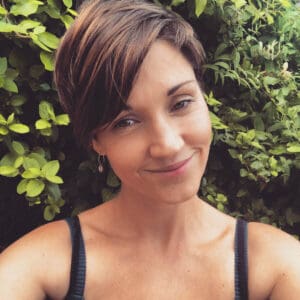
Originally from Leicestershire, she has worked for a variety of UK organisations from Suffolk to Rutland, Dorset to the Isles of Scilly and more. She is passionate about encouraging young people to make nature part of their lives and empowering them to take action for the environment, which is why she founded a youth nature network called A Focus On Nature.
She has written extensively on nature and wildlife, including publishing her first book 365 Days Wild in 2019, as well as being a columnist for Birdwatch and writing for several magazines and newspapers including BBC Wildlife, I News, British Birdsand the junior magazines for both the RSPB and The Wildlife Trusts. She has appeared several times on local and national television and radio, always talking about birds, wildlife and connecting people with nature.
She is also a Marine Mammal Medic, meaning that she is trained to rescue seals, whales and dolphins. A wildlife lover, she spends her spare time watching birds, whales and dolphins, and exploring wild places with her young daughter, Georgiana.
Thank you, Lucy, for a beautiful post.
You can follow Lucy here over on Instagram and catch up with her website here.
Blue’s Planet: Australia is out to buy now.
Available from Amazon, Waterstones, Foyles, Blackwells and Browns.