
Today with the help of some fantastic role-playing toys and fancy dress costumes I’m going to explore imaginative play and how it can benefit your child’s development.
What is Imaginative Play?
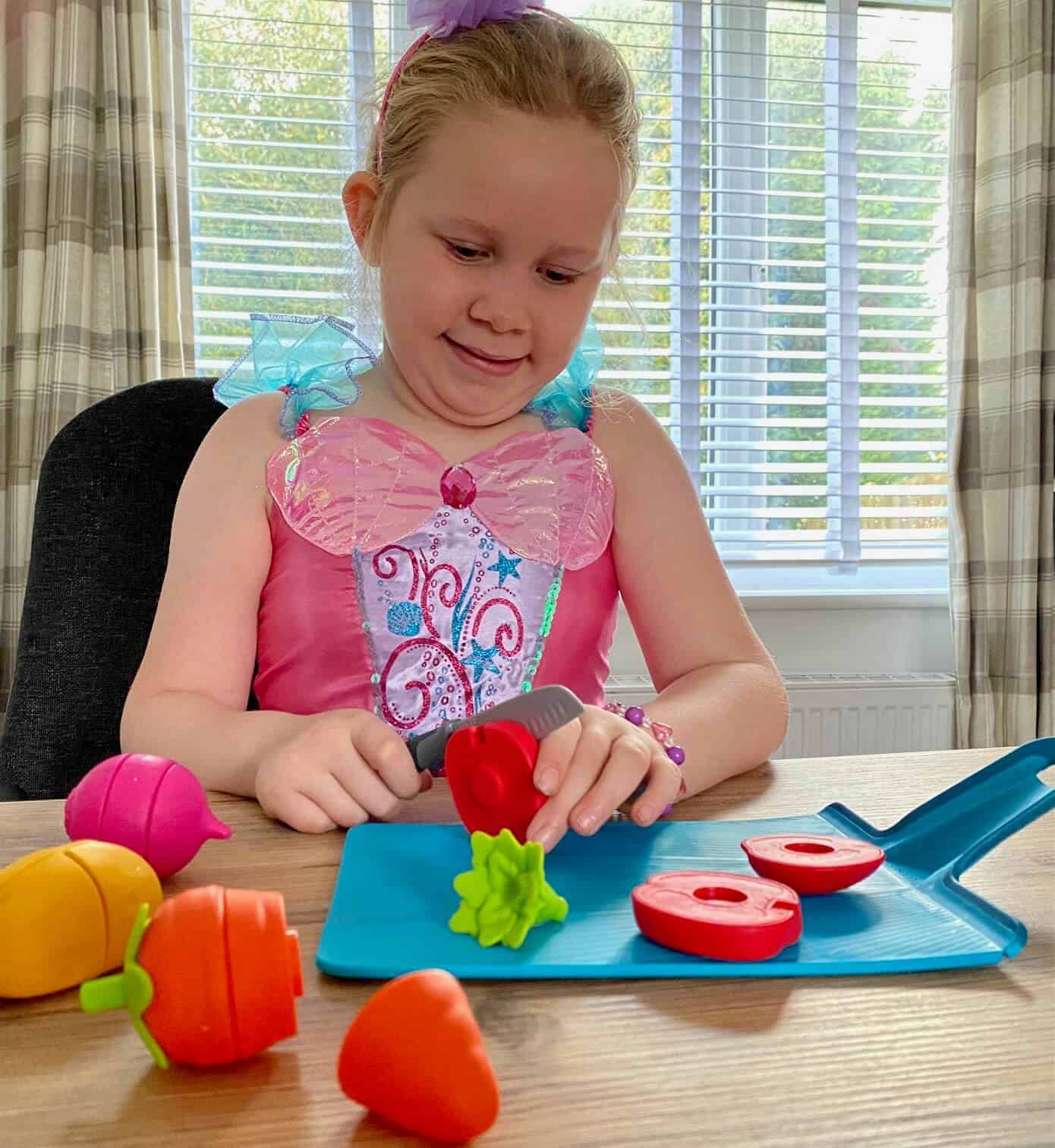
Imaginative play is the process of playing with make-believe or imaginative activities. It is a form of play that involves acting out stories and creating imaginary scenarios.
Imaginative play can be done by oneself or in a group setting. It can involve any number of props, such as toys, dolls, puppets, costumes and other items. Imaginative play helps children learn creativity, problem-solving and social skills. The girls love using Peppa’s Beauty Parlour to get ready. All the accessories can be packed away in the carry case when finished, perfect for on-the-go role play!

Benefits of Imaginary Play for Kids
Children’s imaginations are a vital part of their development. They help them to explore new ideas and gain confidence in their own abilities. Some of our favourite childhood memories are of tales we created to pass the time. Whether they were made-up stories, poems or songs, these experiences help children develop an inner world that’s rich and full of possibilities. Children love to take what they know and use it as a launching pad.

Did you know that Imaginary play is not just for kids? It is also an important tool for adults. It can be used as a way to relax, relieve stress or get creative ideas. In the workplace, imaginary play can be used as a way to brainstorm new ideas or ways of thinking about old problems.
Cognitive Development: Children engage in pretend play so they can experiment with different perspectives and explore new ways of seeing the world. By playing different characters in the same story, children develop a better understanding of the perspective of other people and become aware of how many different viewpoints.
Problem-solving skills: An important part of a child’s development. Helps them to develop critical thinking skills.
Social Skills: When children engage in pretend play, they are developing their social skills. They use their imagination, and creativity and begin to form and practice social interactions that might be more difficult to do with other children.
How to Encourage Imaginative Play with Your Child
The most important thing is to make sure that you are fostering an environment in which your child can be creative and imaginative. This includes having the time and space for it, as well as providing them with the tools they need. We have been having so much fun with role play toys. The girls love to play pretend “Beauty Salons” doing each other’s hair and makeup.
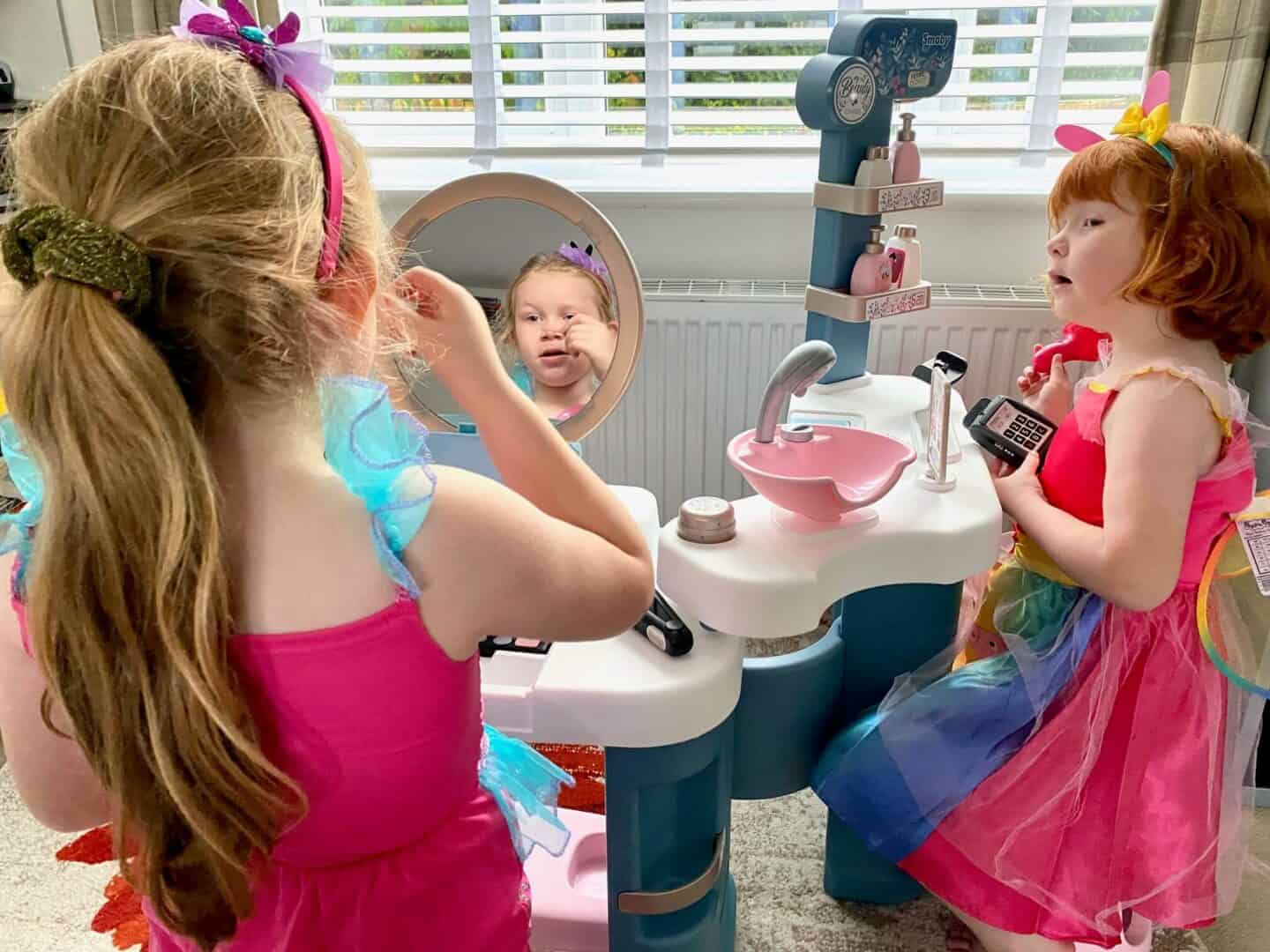
When children engage in pretend play, they are developing their social skills, cognitive development, problem-solving skills and more. This is particularly important for my youngest as she is pre-verbal and under SALT. Playing with her sister is helping and encouraging her to say words and ask for things. The shop part of the Smoby My Beauty Centre is perfect for this when they are playing “customers” as they call it! It’s jammed packed with beauty accessories including pretend money and debit cards for the shop! They can be the hairdresser, makeup artist, salesperson as well as the customer with this beauty centre.
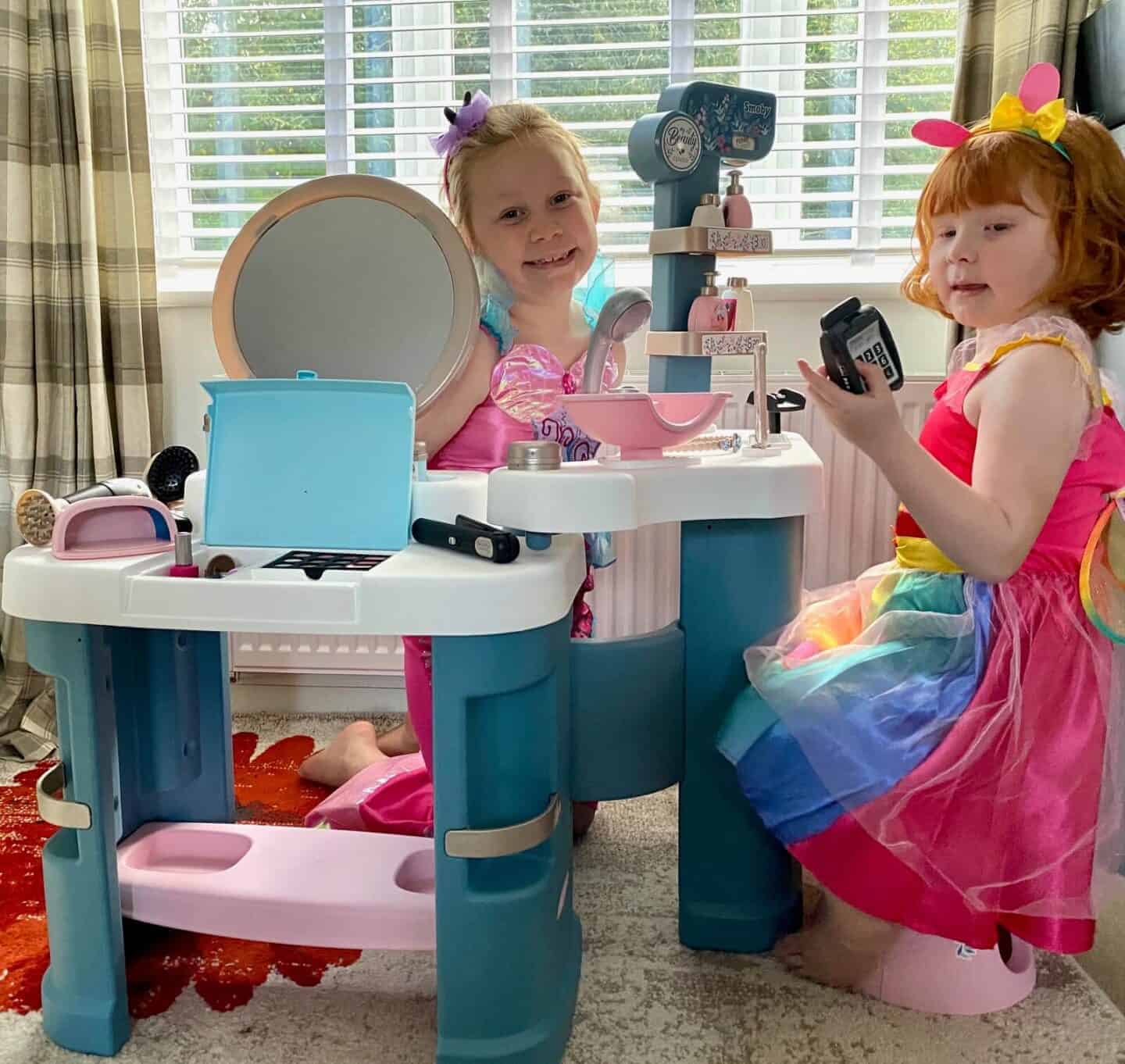
If you want to encourage your child’s imaginative play, it is important to provide them with the opportunity to play and explore independently. This will let them experience and learn about their environment and what they find interesting. The more time they spend in their own world of make-believe, the more they will develop as a person.