
Family Life on Two Wheels
Cycling has become part of everyday life for many families. From school drop-offs to weekend outings, it’s now a common way to stay active and reduce reliance on cars. Parents use bike trailers for toddlers, older children ride independently, and families often travel together as a healthier, more sustainable alternative to driving.
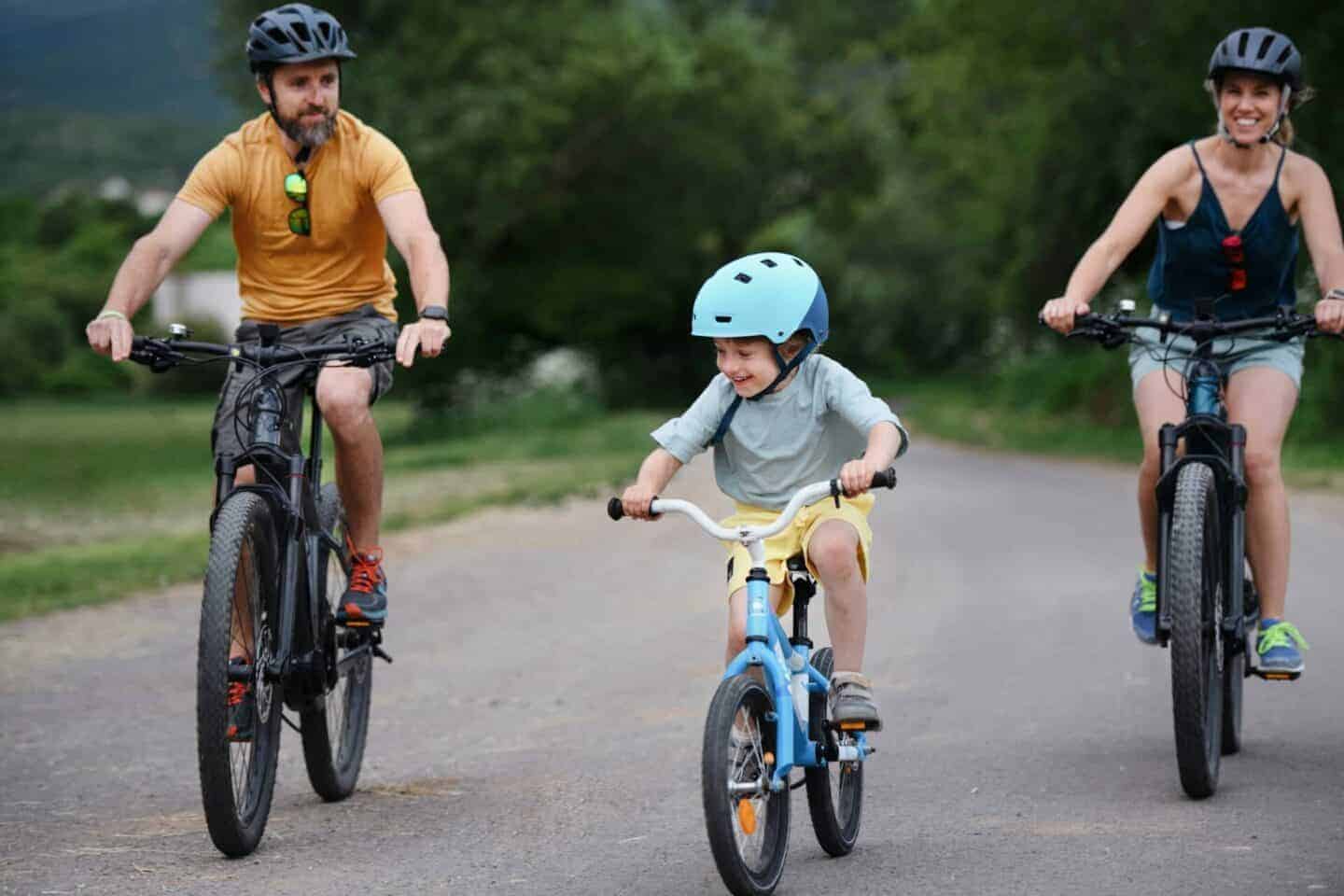
In suburban areas like Waukegan, Illinois, cycling is increasingly popular. The city offers scenic paths and residential streets suited for biking, but the infrastructure hasn’t always kept pace with this growth. Poor road conditions, traffic congestion, and distracted driving pose significant safety risks, especially for families traveling with children.
Accidents involving children or multiple family members can be particularly serious. Whether a driver misjudges space near a bike trailer, a door opens suddenly near a child, or a rider is struck while using a child seat, the legal implications are often complex. Navigating injury claims, insurance challenges, and liability laws in Waukegan requires more than just basic awareness.
Understanding your legal rights after a bike accident is essential to protecting your family. It’s not only about avoiding injury — it’s also about knowing where to turn when one occurs.
Common Bike Accident Scenarios That Affect Families
Families riding together often take extra precautions — avoiding busy roads, staying visible, and supervising young riders. Even with these measures, crashes still happen. In Waukegan, where bike lanes may be inconsistent or absent, the risk increases.
Typical family-related bike accidents include:
- Right-turn collisions: A driver turns without seeing a cyclist continuing straight.
- Dooring incidents: A parked car door opens into the path of a child or adult rider.
- Sidewalk confusion: Children riding on sidewalks may unexpectedly enter crosswalks, leading to liability disputes.
- Rear-end crashes: Distracted drivers may not see a stopped or slowing group of cyclists.
- Group ride chain reactions: One impact can cause multiple riders to fall or crash.
These accidents often result in more than minor injuries. Children may require extended medical care, and families can face unexpected financial stress due to lost income, therapy, or long-term recovery needs.
In many cases, families are entitled to compensation for injuries, medical costs, and emotional distress. Illinois law allows injured cyclists or their guardians to file claims against at-fault drivers, but navigating this system alone can be difficult.
Accessing Waukegan bike accident legal services early in the process can help families understand their rights, communicate effectively with insurance companies, and pursue full compensation. These professionals are equipped to handle cases involving children, multiple riders, and complex liability issues — all in compliance with local laws and court procedures.
What to Do Legally After a Bike Accident Involving a Family Member
Accidents involving children or family members are highly stressful, but taking the right steps in the aftermath can protect your legal rights. Here’s what families should do after a bicycle crash:
1. Seek Medical Attention
Call emergency services, even for minor injuries. Medical documentation is key to any future legal claim.
2. Contact Law Enforcement
In Waukegan, always request a police officer at the scene. A written report is a critical legal record.
3. Document the Scene
Take photos or video of:
- Injuries
- Vehicle and bike damage
- Road conditions or debris
- Intersection layout or traffic signs
This visual evidence can support your account during a claim.
4. Avoid Admitting Fault
Do not speculate or apologize. Statements made in the moment may be used against you.
5. Collect Witness Information
Get names and contact details from anyone who saw the accident. Neutral witnesses can support your version of events.
6. Preserve Physical Evidence
Keep damaged bikes, helmets, and gear. These items may serve as evidence in your case.
7. Notify Your Insurance Carefully
Inform your insurer, but avoid giving a recorded statement without legal guidance. Don’t speak with the other driver’s insurer before understanding your rights.
8. Track All Related Costs
Maintain a record of:
- Medical expenses
- Lost wages
- Therapy or rehab sessions
- Equipment replacement
These figures form the basis of your compensation claim.
Waukegan’s municipal codes and Illinois law can influence how fault is determined — especially when children are involved. Consulting a legal professional early on helps ensure no important detail is overlooked.
Understanding Liability and Insurance Gaps
Assigning fault in bike accidents involving families isn’t always straightforward. Liability depends on many factors, including local ordinances, rider behavior, road conditions, and the circumstances of the crash.
In Illinois, drivers must exercise caution around cyclists, but insurers may argue that a rider — even a minor — acted unpredictably. In areas like Waukegan, where traffic patterns can change from block to block, assessing responsibility requires local knowledge and legal precision.
A common complication arises when a child is hit while riding across a driveway or entering a street from a sidewalk. The driver may claim limited visibility or suggest the child was riding illegally. These arguments can reduce or eliminate compensation unless challenged effectively.
Families often assume that insurance will cover the full cost of an accident. In reality, coverage limits, exclusions, or disputes over liability can leave families paying out of pocket. Injuries requiring long-term care, therapy, or home adjustments may not be fully covered.
Understanding the fine print in your policy —and how bicycle safety guidelines apply—is critical. Legal professionals can spot coverage gaps and negotiate directly with insurers to secure appropriate compensation.
Without legal support, families risk accepting settlements that don’t reflect the true cost of the injury or its long-term impact. In towns like Waukegan, where infrastructure and traffic often create gray areas in accident claims, proper representation can make a significant difference.
Legal Rights Parents Should Know Before the Next Ride
Legal preparedness should be part of every family’s cycling routine. Here are key legal considerations that can help protect your rights in the event of an accident:
- Sidewalk and street rules: In Waukegan, some areas allow children to ride on sidewalks; others do not. Know what’s allowed where you ride.
- Helmet laws: Illinois has no statewide helmet mandate, but local rules may require minors to wear one. Violations can affect claims.
- Visibility requirements: Bicycles must be equipped with proper lights and reflectors. Non-compliance may be used against you in an accident.
- Signaling and traffic laws: Cyclists must obey traffic signals and use hand signals when turning. Failing to do so may reduce eligibility for compensation.
Parents should also check their own insurance policies. Homeowners, renters, or auto insurance may offer limited coverage for bike-related injuries. Clarifying this in advance avoids confusion later.
Keep records of bicycle purchases, maintenance, and safety gear. This documentation demonstrates that you took reasonable precautions if a legal case arises.
For families who ride often, reviewing tips for extended bike travel and combining them with a basic understanding of legal rights creates a more complete approach to protection.
Protecting Your Family Means Preparing Legally, Too
Cycling as a family provides many benefits — health, connection, and freedom. But in cities like Waukegan, where traffic and road design pose real risks, families must think beyond basic safety gear.
Being prepared includes knowing what to do after an accident, understanding your legal rights, and recognizing the limits of insurance coverage. A few proactive steps can reduce confusion, minimize loss, and ensure that your family is fully protected — on and off the road.