
Riding a sports bike on long-distance trips is an adventure like no other. The wind in your face, the open road ahead, and the thrill of speed. It’s pure freedom.
But let’s be real: Sports bikes aren’t exactly designed for all-day comfort. The aggressive riding position, limited storage, and stiff suspension can make long rides exhausting. However, don’t let that stop you! With the right mindset, preparation, and a few smart tweaks, you can turn your sports bike into the ultimate travel companion.
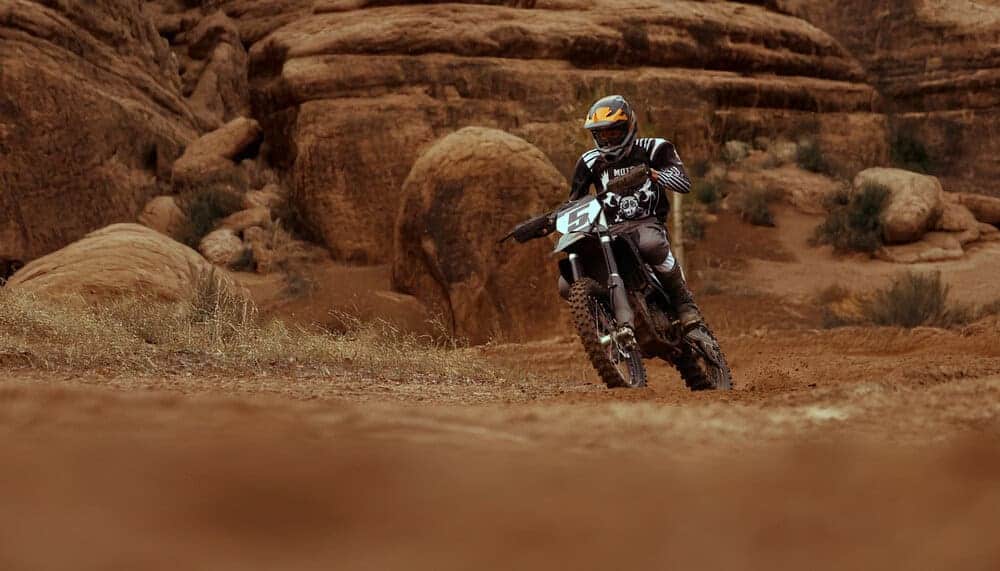
In this article, we’ll explore practical tips to help you master long-distance travel and enjoy every mile of the journey. Intrigued? Keep reading!
Choose the Right Riding Gear
Comfort starts with what you wear. On long rides, the wrong gear can turn a great trip into a painful experience. Invest in a high-quality, well-ventilated riding jacket with padding. Wear riding pants that offer both protection and comfort. A good pair of gloves will keep your hands from going numb, and don’t forget moisture-wicking base layers to stay cool and dry.
Your helmet matters, too. Pick one that’s aerodynamic and has good ventilation. A tinted or photochromic visor will help with changing light conditions. And if wind noise bothers you, earplugs can be a game-changer.
Make Your Sport Bike More Comfortable
Sport bikes are thrilling, lightweight, and built for performance. But with a few smart upgrades, they can also be comfortable for long rides. A better seat can reduce fatigue, while handlebar risers ease wrist strain. Adjustable footpegs improve leg positioning, and a small windscreen helps cut wind fatigue.
Many riders look for these upgrades at trusted dealerships like RideNow SoCal, where they can explore different options and find the right fit for their bike. Such dealerships also offer expert service to install modifications, ensuring your bike is road trip ready. They also offer customized options that further fulfill your travel needs, allowing you to tailor your ride for maximum comfort and performance.
Pack Smart and Light
Bikes don’t have much storage, so packing efficiently is key. Use a tank bag or a tail bag instead of a heavy backpack. Saddlebags designed for sports bikes can also work well.
Pack only what you need. Extra clothes, a basic tool kit, a tire repair kit, and a first-aid kit should always be on your list. If you’re carrying electronics, waterproof bags will protect them from rain. And remember—lighter is better! A heavy load will make your bike harder to handle on long rides.
Plan Fuel and Rest Stops
Sport bikes usually have smaller fuel tanks, so long-distance riding requires planning. Know your bike’s fuel range and map out gas stations along your route. Running out of gas in the middle of nowhere is not fun!
Breaks are just as important. Stop every 100-150 miles to stretch, hydrate, and give your body a rest. Short breaks keep you fresh and focused, making the ride more enjoyable.
Master the Art of Riding Long Hours
Long hours on a sport bike can take a toll on your body. The key is to stay relaxed. Keep a light grip on the handlebars, avoid tensing your shoulders, and shift your position slightly from time to time.
Practice controlled breathing. Deep breaths help reduce fatigue and keep your focus sharp. Also, stay hydrated. Dehydration leads to tiredness, so always carry a water bottle and take sips during stops.
Keep Your Bike in Top Shape
Before any long ride, make sure your bike is road-ready. Check tire pressure, oil levels, brakes, and chain tension. A well-maintained bike not only runs better but also keeps you safe.
Carry a small tool kit and a tire repair kit for emergencies. A portable air compressor or CO2 inflator can be a lifesaver if you get a flat in the middle of nowhere. Being prepared means fewer surprises on the road.
Ride Smart and Stay Alert
Long-distance riding isn’t just about endurance – it’s about awareness. Watch out for road hazards, sudden weather changes, and traffic patterns. Stay within speed limits and avoid aggressive riding.
If you feel tired, pull over and rest. Drowsy riding is just as dangerous as drunk driving. If needed, grab a coffee or take a 20-minute power nap. It’s better to arrive late than to risk your safety.

Conclusion
At the end of the day, it’s all about the experience. Take in the views, stop for photos, and enjoy the journey. Sport bikes may not be traditional touring bikes, but with the right approach, they can take you on unforgettable adventures.
So gear up, plan well, and hit the road. The open highway is calling – answer it with confidence!