
Few things can put a damper on a road trip like the sight of an illuminated check engine light on your car or truck’s dashboard. Is it your oil? Hang on; isn’t there a separate light for that? Maybe it’s just a loose fuel cap. Then again, maybe your catalytic converter has gone kaput. When your vehicle’s computer sends you a well-lit warning, don’t let anxiety ruin your ride.
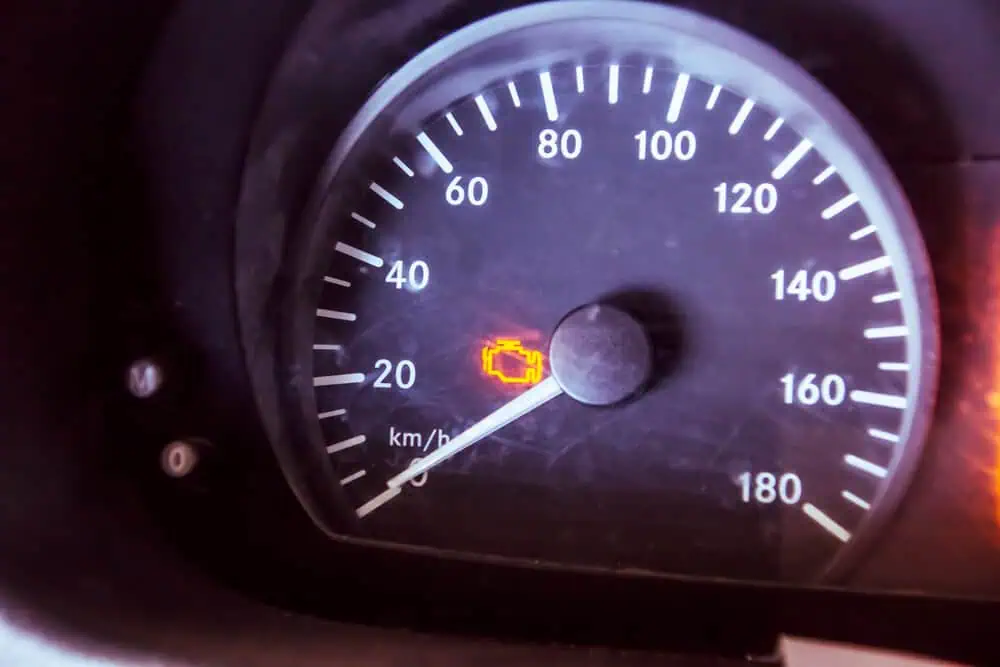
What Does Your Check Engine Light Do?
Your check engine light is your first line of defense when it comes to vehicle maintenance. It lets you know that one of your car or truck’s components is not working as it should. As such, it’s never wise to ignore it. While it’s possible that it’s the sign of a minor issue, it’s also entirely possible that it’s alerting you to a more considerable problem that, if left unattended, could cause further — and more expensive — damage to your ride.
The good news is that your local auto parts store will perform a free check engine light test and provide you with a printout of the results that you can take to your mechanic.
Reasons Your Check Engine Light Is On
It’s a common misconception that when your oil is low, your check engine light will come on. In reality, your oil level has its own dedicated dashboard icon; it looks like a tiny oil can. Several other issues will ignite the check engine light, though:
- Oxygen sensor failure: These sensors aid your engine’s internal combustion by monitoring the amount of oxygen in its exhaust. If the proportions are off, it can have a negative effect on how the engine runs.
- Mass airflow sensor failure: While the O2 sensors measure the amount of air exiting your engine, the MAF sensors measure the amount of air entering.
- Ignition coil and spark plug issues: When your spark plugs don’t ignite properly, your engine can misfire. The plugs themselves can go bad, the ignition coils that feed them the electricity they need can fail and the wires that carry the power from coil to plug can break down, too. When any of these issues occur, it can trip your check engine indicator.
- Catalytic converter failure: Part of your vehicle’s exhaust system, when this pricey part stops working, your car will likely fail emissions testing (among other issues).
- Exhaust gas recirculation valve failure: This valve also reduces emissions, in addition to helping your engine run efficiently.
- Loose fuel cap: Your gas cap needs to be on tight in order to let the engine know there’s a satisfactory seal for combustion. If it’s not on right, the uneven pressure can force the check engine light to come on.
These are only a half-dozen of the most common reasons why a check engine light will illuminate. When you notice your light is on, don’t hesitate to take your car to a nearby auto parts store for a test. It’s not worth gambling with your vehicle’s integrity and you and your passengers’ safety.
While no one ever welcomes the sight of an illuminated engine light, it’s ultimately a good thing — provided you heed its warning. If your car or truck tries to tell you something is wrong, listen; don’t hesitate to investigate. Here are some free car user manuals you can check to help you fix the problem.
Suppose you have rented your car via the salary sacrifice scheme and find your car with issues, such as an engine light warning or other problems. In that case, it’s important to promptly address these concerns with your employer or the leasing company. This will ensure that any necessary repairs or maintenance are handled efficiently, minimizing disruption to your daily routine and ensuring that you continue to enjoy the benefits of the salary sacrifice arrangement without additional stress or expense.
Related posts:
I saw the check engine light, and it turned out my car was low on oil, just like you explained in your post. Your words really helped me understand the connection between low oil and engine problems. I followed your advice, added more oil, and the problem went away. Thanks for making it easy to understand and fix!