
Professional servicing ensures that an air conditioner is reliable but residents can perform simple actions between appointments to support operation. Basic care helps maintain airflow, reduces mechanical stress and allows residents to identify emerging issues. Understanding which tasks are safe for residents ensures the system receives care without disturbing components that require a technician.
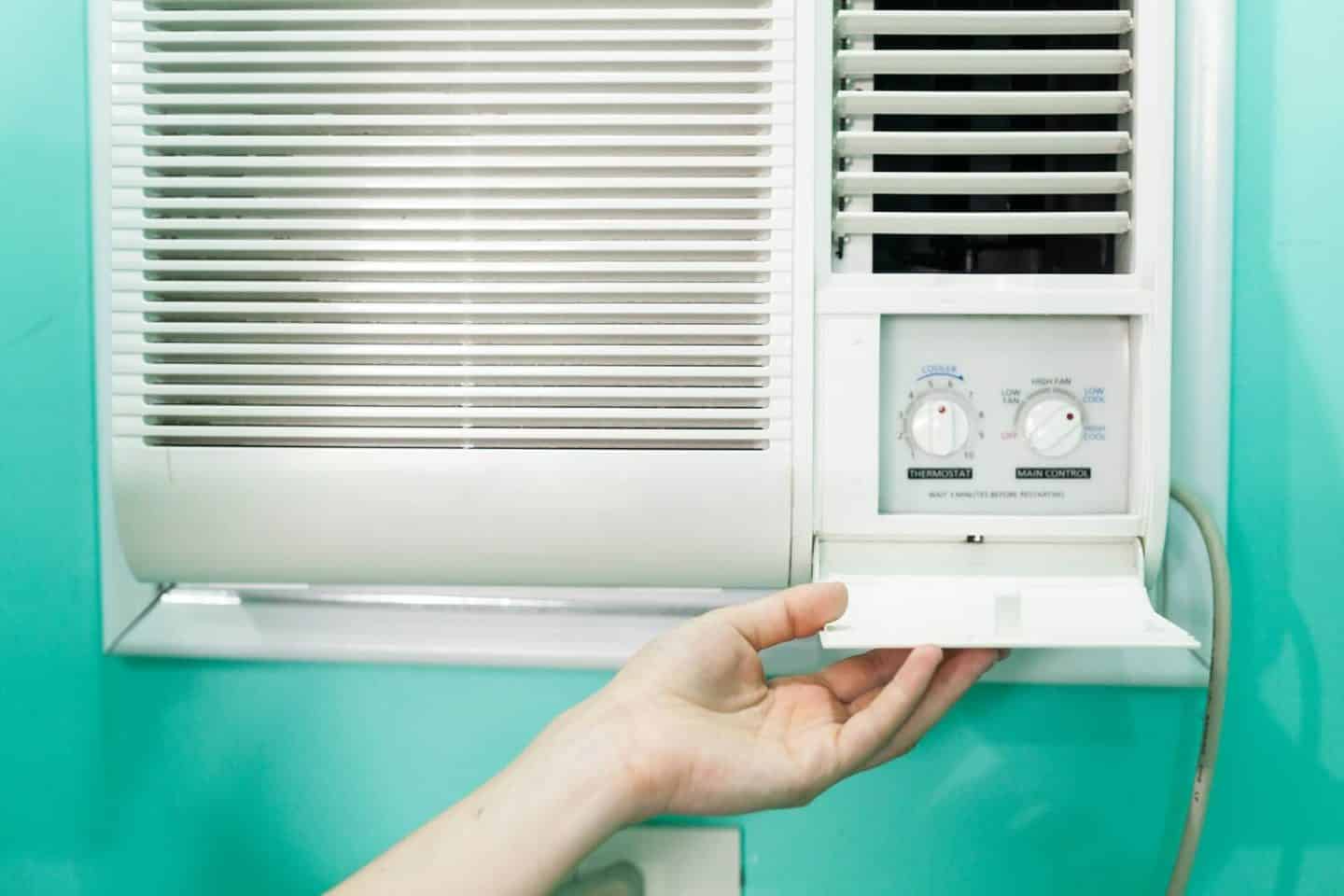
Check & Replace the Air Filter
Occupants can maintain an air conditioner – inspecting the air filter at regular intervals – this component traps dust and animal fur but the part is inefficient when debris fills the mesh. Because a blocked filter limits the movement of air, the system operates for extended durations to reach the desired temperature. Homeowners should examine the filter as the manufacturer’s manual describes to wash or replace the item when it appears grey or clogged. Households with pets or high levels of movement often require more frequent inspections. A clean filter is the primary cause of steady airflow and prevents mechanical stress on the machine.
Keep the Outdoor Unit Clear
the outdoor condenser requires space to release heat – Leaves, grass but also branches can gather around the unit and block airflow. Residents are advised to inspect the area and remove debris from the immediate surroundings. Plants are best kept away from the outdoor equipment – While clearing the area is a simple task, residents are advised to avoid opening electrical panels or cleaning internal parts. Keeping the exterior area open is a practical way to support the system.
Inspect Vents & Registers
Blocked supply vents interfere with how cold air moves through the building. Curtains as well as rugs can obstruct registers and lower airflow to specific rooms. Residents are encouraged to check that vents are open and clear of objects. Comparing temperatures between rooms is also helpful – If one area is warmer than others, the cause may be an obstruction, insulation issues or ductwork problems. Checking vents helps identify simple blocks, while ongoing issues are best handled by a technician during an AC repair visit.
Monitor System Performance
Residents are encouraged to learn the typical sounds or functions of their cooling system. Changes like loud noises, weak airflow, constant cycling or strange smells can indicate a problem. Identifying these changes early allows for repairs before the issue becomes severe. Electricity bills also provide information – A sudden increase in cooling costs without a change in weather suggests the system is working harder than is necessary. If performance does not improve after basic care, air conditioner repair Brampton is useful to identify if a technical adjustment is required.
Maintain Proper Drainage
Air conditioners remove moisture from the air and this liquid must drain away. A blocked drain can cause water to pool near the indoor equipment. Residents are encouraged to look for signs of moisture, stains or water near the unit. Drainage systems vary – residents are advised not to use harsh cleaning methods or take apart components unless the manual allows it. Leaks or recurring drainage issues are best evaluated by a technician. Fast action helps prevent water damage and identifies the cause of the leak.
Use the System Responsibly
Usage habits affect the workload of the air conditioner – Setting the thermostat to a moderate temperature next to avoiding frequent changes helps the system run consistently. Residents are also encouraged to close blinds during sunny periods to limit the heat that enters the rooms. Basic care is not a substitute for professional servicing, especially for tasks involving refrigerant, electrical testing or internal cleaning. Simple actions help maintain performance. By managing filters, clearing outdoor debris and watching for warning signs, residents support reliable cooling.
Conclusion
Residents can maintain air conditioning units between service appointments through simple routines. Clean filters prevent dust accumulation and maintain air quality. Obstructions should not block vents to ensure unobstructed air movement within the building. Operators must remove debris around the outdoor condenser to allow heat exchange. Water or refrigerant pooling near the base indicates a mechanical failure. Technicians are the appropriate experts for repairs that exceed basic upkeep. Consistent attention combined with professional inspections is the method to extend the functional lifespan of the hardware.