
COMMON AIR CONDITIONER ISSUES AND WHY THEY OCCUR
As a smart homeowner, you know that proper maintenance will safeguard against avoidable issues, and increase the life of your air conditioner. It’s best practice to identify the problem before calling a specialist to resolve the issue.
“My A/C has stopped working.”
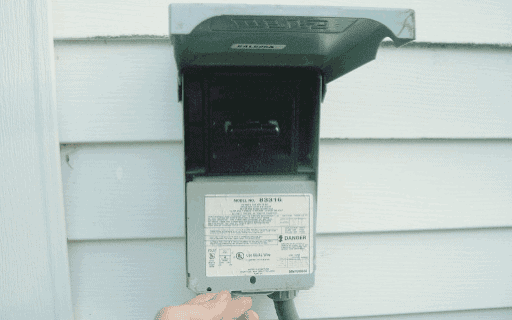
Check to make sure your thermostat batteries are still good, verifying your thermostat is correctly set to cool, and make sure your A/C circuit breaker is still set to “ON”. If you reset your A/C breaker, and it trips again, there could be a short somewhere. A corroded or broken wire maybe touching down on metal causing the trip. If this is the problem, it’s definitely time to contact a trusted air conditioner repair service.
“My A/C is functioning, but the air isn’t cooling.”
Ensure your thermostat is set to cooling mode. Clear any dust, dirt and debris from the outdoor A/C unit (or condenser unit), and clean or replace the air filter if needed. When airflow is restricted it’s as though the blower isn’t running at all, and the coil on top of your furnace will freeze over. Your service technician will generally recommend a medium-grade pleated filter.
“My A/C cools inconsistently.”
Ensure that the vents and ductwork throughout your home are open, clean, and unobstructed. Leaks in vents and ductwork, and refrigerant leaks especially, can affect how an A/C cools the air. If the copper lines connecting to the outside unit sweat and feel cold to the touch, the A/C has sufficient refrigerant levels.
“Water is dripping from my air conditioner.”

Check the condensate line exiting the A/C unit to see if it is clogged. Refer to your manufacturer’s instructions, and flush out debris using compressed air. Refrigerant leaks at the drain line will cause ice to build up over the coils and drip water. Frozen coils can also be an indication of airflow obstructions commonly caused by dust and debris covering the outside A/C unit, an unclean air filter, or obstructed return air ductwork. If any part of the air conditioner is frozen, turn it off, allowing it to defrost on its own, and call your HVAC technician.
“My air conditioner makes strange noises.”
Flat smacking sounds can occur when dirt or debris lodge in the blower blades or housing, make sure to turn off the A/C unit before inspecting the blower for any debris. Clicking sounds, when the A/C is turning on and off, usually point to a relay problem. Screeching from the blower motor indicates a bearing problem, or a faulty belt. Banging sounds generally point to a problem with the motor or blower assembly. An audible rattle may occur when the fan turns the compressor on due to a failing motor or loose hardware. If you hear any of these noises, turn off the A/C and contact your service technician.

When it comes to a long and happy life for your air conditioner, a little preventative maintenance is necessary. While maintaining your AC unit, always keep its warranty in mind. Issues with the compressor fan or sensors, frozen coils, refrigerant leaks, or drainage problems require the knowledge and know-how of a professional air conditioner repair service. Here are some maintenance tips to prevent costly repairs down the road,and keep your summers cool.
5 TIPS TO INCREASE THE LIFESPAN OF YOUR A/C
1. Replace or clean air filters monthly.
The first step on our road to A/C enlightenment can reduce your overall energy consumption by 20%. A dirty air filter can restrict airflow causing countless problems. Change your furnace filter often with a medium-grade pleated filter.
2. Keep your coils clean.
Evaporator and condenser coils should be cleaned at least once or twice a year. Using warm water and detergent, wipe the coils clean of buildup using a soft brush or cloth.
3. Keep dirt and debris away from your A/C.
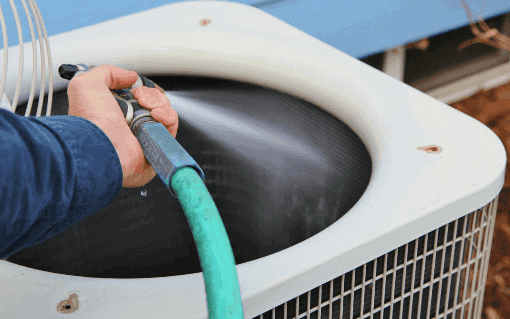
The outdoor unit’s dirtiest side will be closest to your home, where it sucks in the most air. You can clean the coils using soap and water, and simply open the top, spraying the inside of the unit. If you vacuum and clean the blower compartments annually, your air conditioner will truly love you.
4. Check for leaks.
You’re A/C unit is a permanently sealed system. The refrigerant in the unit stays in there for the life of the unit. If levels are low, there could be a leak outside the condenser unit, in the coil on atop your furnace, or in the braze joints on the line-set situated in between. Also check vents and ductwork for possible leaks due to damage or debris.
5. Never cover your outdoor cooling unit.
Outdoor A/C units are built to brave the harsh winter conditions. If covered, moisture can freeze your condenser coils, causing numerous problems over time. Tarps, during the rainy spring seasons can trap moisture, allowing rust, mold and mildew to set in. Shading or shielding the outdoor unit works great against pollen, dust and leaves.
*This is a collaborative post