
Hydroponic tulips are kind of shaking up how folks grow and enjoy these classic spring beauties. Thanks to this soil-free approach, tulip bulbs can thrive in water and nutrient mixes. Making things a whole lot easier indoors or even on a bigger, commercial scale. Hydroponics lets growers dial in blooming times, so tulips can flower right on cue for special events or displays!
If you’re at all curious about new twists on gardening or just want a faster, cleaner way to get flowers, hydroponic tulips are honestly worth a look. Not only do they burst with colour and healthy blooms, but they cut down on mess and hassle, making them a hit for both total beginners and seasoned pros.
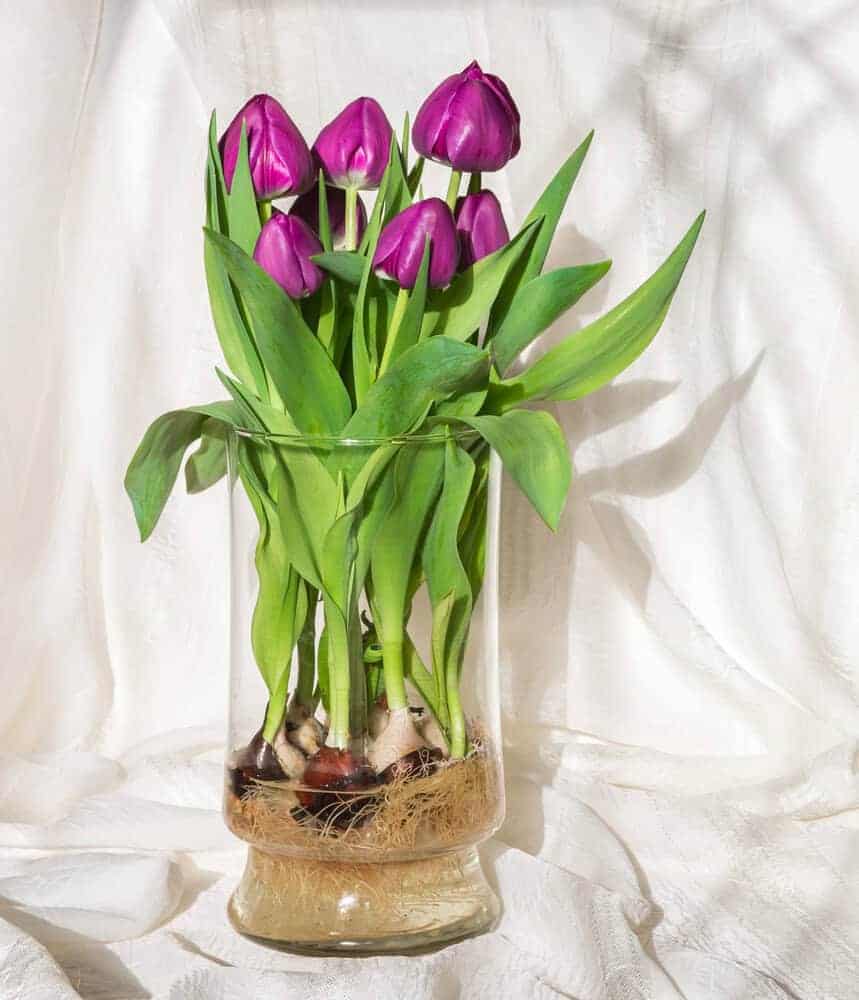
So if they’re jazzing up a living room, a shop window, or a big event, hydroponic tulips offer a kind of flexibility and wow factor that’s tough to pull off with old-school soil. Anyone itching to try something fresh in the garden department will probably find plenty of inspiration in the world of hydroponic tulips.
What Are Hydroponic Tulips?
Hydroponic tulips are, simply put, tulips grown without soil. Using water loaded with nutrients and some carefully chosen substrates. This method gives growers more control over nutrients, keeps things cleaner, and speeds up growth cycles. It’s gotten pretty popular in commercial greenhouses, but honestly, it works just as well for unique home displays.
Hydroponic Tulip Bulbs
At first glance, hydroponic tulip bulbs look just like the regular kind, but there are a few quirks in how they’re handled. Usually, the bulbs are pre-chilled to imitate a cold winter. Super important for setting up proper flowering.
In hydroponic setups, bulbs get tucked into plastic crates or trays perched above water reservoirs. The usual suspects for substrates are peat moss, coconut coir, perlite, or vermiculite. These keep the bulbs steady, let air circulate, and help fend off mould. Unlike soil, they don’t feed the bulbs, it’s the water that brings all the nutrients.
Lots of growers reuse trays and sometimes even substrates, which actually makes this whole process a bit more sustainable than traditional soil growing. Plus, since the roots stay clean, it’s a breeze to pull the bulbs out after they’ve bloomed.
Species and Hybrid Varieties
Not all tulip types are equally happy in hydroponic setups. Classic species tulips, like Tulipa clusiana or Tulipa tarda, are naturally compact and hardy, so they can work well in hydroponic conditions.
But honestly, most hydroponic tulips you’ll see are hybrids bred for cut flowers. The Darwin Hybrid group, for example, is famous for tall, sturdy stems and those vibrant, single blooms. Varieties like ‘Duc van Tol’ are picked because they flower fast and reliably indoors.
Growers usually pick their cultivars based on bloom time, colour, or how long they last in a vase. Hybrids that deliver predictable results in water-based systems tend to win out.
Differences from Traditional Growing
With hydroponic tulips, soil is out of the picture. The roots grow right in water or a soilless medium. This means way more control over nutrients, pH, and humidity – stuff that’s usually a bit of a gamble in regular garden beds.
It’s a much cleaner, more space-saving way to grow. No soil-borne diseases to worry about, and harvesting bulbs is pretty straightforward. Water and nutrients get measured and recycled, so there’s less waste, too.
Probably the biggest difference? Speed. Hydroponically grown tulips can hit the market sooner, all thanks to those dialed-in, controlled conditions from start to finish.
The Life Cycle of a Hydroponically Grown Tulip
The whole journey starts with pre-chilling the bulbs – usually for 12 to 16 weeks at chilly temps (2–9°C). This cold snap gets the bulbs ready to sprout stems, leaves, and, eventually, flowers.
Once they’ve had their winter nap, the bulbs go into trays or crates. Their roots shoot into the moist substrate and soak up water, kicking off a quick burst of leafy growth. Sometimes in just three weeks, you’ll see stems and leaves, and flowers aren’t far behind.
After blooming, the flowers usually stay attached to the bulb, which actually helps them last longer in a vase and keeps them fed. When the show’s over, you just pull the bulbs out and get ready to start again with a fresh batch.
The whole process, from bulb to full bloom, can wrap up surprisingly fast, giving you reliable, top-notch flowers any time of year.
Benefits of Growing Tulips Hydroponically
Going hydroponic with tulips brings a bunch of perks, from sustainability to seriously eye-catching blooms. You get reliable, long-lasting flowers with bold colour and form, all while making the most of your resources.
Sustainable Tulip Cultivation
Hydroponic tulips mean less dependence on soil, which cuts down on soil-borne diseases and trims back the need for chemical treatments. By sending water and nutrients straight to the bulbs, growers can really fine-tune how much they use.
These systems usually make less waste and let you manage water more efficiently than old-fashioned field growing. For anyone after a cleaner, more eco-friendly process, hydroponics is a solid option.
Because hydroponic setups are so controlled, you can actually grow tulips in places where traditional methods would be a headache. That can mean more local flowers, less shipping, and a smaller carbon footprint overall.
Vibrant Colours and Elegant Shapes
Hydroponic tulips tend to show off stronger, more reliable colours. Direct nutrient and water delivery helps every flower hit that perfect, classic shape.
Since you can keep things like light, temperature, and humidity right where you want them, the flowers often end up with more intense pigments. That extra control means blooms with vivid hues that really pop in bouquets and displays.
Uniformity is another win, growers can count on a crop that’s even in size and shape. For anyone selling cut flowers, that kind of predictability is a big deal.
Disease Resistance and Longer Vase Life
Hydroponically grown tulips dodge a lot of the usual diseases, especially fungal ones, since there’s no contaminated soil to mess things up. Less disease means fewer losses and better bulbs, plain and simple.
The bulbs come out healthier and pretty much disease-free, thriving in that carefully managed environment. Sometimes the stems are a bit shorter, but they’re usually stronger and less likely to flop over.
One more bonus: vase life. Lots of growers have noticed that hydroponic tulips just last longer after cutting, so customers get to enjoy them for days and days. For florists and shops, that’s a real selling point.
Hydroponic Systems for Tulips
Tulips can really thrive hydroponically if you keep a close eye on their environment and set up a system that encourages strong root growth. Getting it right means picking the right gear, watching water levels, making sure there’s good drainage, and using balanced nutrients that bulbs actually need.
Hydroponic Setup Essentials
For a solid hydroponic setup, you’ll want sturdy trays or crates, plastic ones work great since they let air move around and support the roots. Bulbs get nestled into something inert, like coconut coir, peat moss, or a perlite-vermiculite mix.
Shelving or benches keep trays up and let air flow underneath. Lighting is a must, especially when days are short. LED grow lights are a smart pick. They’re energy efficient and hit the right light spectrum for tulips.
Keeping things clean is huge in hydroponics. Disinfect your equipment before use, and make sure your water stays uncontaminated to keep disease at bay. The basics: a reservoir, submersible pump, pH meter, and a timer for lights and watering cycles.
Choosing the Right Hydroponic System
You’ve got a few options for hydroponically growing tulips, but the main ones are flood-and-drain (ebb and flow) and static (deep water culture). Flood-and-drain setups soak the roots periodically, then drain, which brings in fresh oxygen.
Pinning trays are a bit of a specialty item – these crates hold bulbs above the nutrient solution, keeping them moist but not too wet. They’re a favourite with European growers for big commercial runs.

Deep water culture systems keep bulbs partly submerged, with roots dangling into nutrient-rich water. Some cultivars love this, as long as there’s enough oxygen. What’s best for you really depends on your space, budget, and how much time you want to spend on maintenance.
Water Level and Drainage
Getting the water level right is crucial for hydroponic tulips. Too much water? Bulb rot. Too little? Stunted growth. You want bulbs just above the surface, with roots dipping into the nutrient mix—moist, not soggy.
Drainage can’t be overlooked. Slotted crates help air move and let extra water drain. For flood-and-drain systems, timing is everything, no standing water, just enough to keep roots happy and oxygenated.
Here’s a quick table for managing water:
| Parameter | Recommendation |
|---|---|
| Water Depth | Roots only wet |
| Flood Frequency | 1-2 times per day |
| Drainage | Fast, no pooling |
Good drainage keeps fungal problems away and helps tulips grow strong and healthy, start to finish.
Hydroponic Fertiliser and Nutrients
Tulips in hydroponics need a balanced fertiliser made for flowering plants. The usual suspects: nitrogen, phosphorus, potassium, and calcium. Calcium nitrate is a go-to for preventing weak stems or tip burn.
Match your nutrient mix to what tulips need at each stage. Start with a half-strength solution while roots are getting established, then ramp up as they grow. Keep an eye on electrical conductivity (EC) and pH, aim for pH 6.0 to 6.5.
Feed regularly but don’t overdo it. Swap out the nutrient solution every 7–10 days to keep things fresh and avoid salt buildup. Always mix with clean, non-chlorinated water.
Keeping a log of what you feed and how the plants respond is super helpful for tweaking the mix for each new batch of hydroponic tulips.
Selecting and Preparing Tulip Bulbs
Picking the right tulip bulbs, prepping them for the chill period, and storing them properly makes a world of difference for a hydroponic tulip crop. Nailing these steps means healthier roots, stronger growth, and a steady parade of blooms.
Finding Disease-Free Bulbs
If you’re picking out bulbs for hydroponic growing, you really want to start with ones that are disease-free and feel nice and firm. Any bulb that’s soft, moldy, or has those suspicious dark spots? Honestly, just skip it – those can carry all sorts of diseases and, in a hydroponic setup, problems spread way too easily.
Try to find bulbs marked “certified disease-free” from a supplier you trust. Bigger is usually better here. Bulbs measuring 11–12 cm around (or more) tend to have more stored energy, which usually means sturdier stems and bigger blooms. If you spot any bulbs with cuts, bruises, or odd marks, it’s not worth the risk.
It’s actually helpful to sort your bulbs by size before planting; that way, you get more even growth and bloom times. And when you’re unpacking them, be gentle. Bruised bulbs are just asking for trouble once the water hits.
Cold Period Preparation
Here’s the thing: tulip bulbs need a solid cold spell to get them to flower. This is called vernalisation. For hydroponics, you’ll want to chill the bulbs at around 2–9°C (36–48°F) for 12–16 weeks. It’s basically tricking them into thinking they’ve been through winter so they’ll kickstart their growth inside.
Keep unplanted bulbs in mesh trays or crates so air can move around freely. Don’t pile them up too much – each one needs its own space to chill properly. Check the area for humidity and peek in now and then for any mold or rot sneaking in.
Once the bulbs finish their cold nap, they’re good to go into a soilless mix. Something like coconut coir with perlite (pretty standard in hydroponics). This gets the roots going and helps all the blooms pop at the same time.
Paper Bag and Storage Advice
Storing bulbs right is a big deal, especially before and during that cold period. Easiest method? Toss them in a paper bag – it lets them breathe and keeps moisture under control, so you’re less likely to get mold. Skip plastic bags; they trap water and basically invite rot.
Label each bag with the date you started chilling and which variety’s inside. Stick the bags somewhere cool, dark, and with a bit of airflow – an unheated cellar or even the veggie drawer in your fridge can work, as long as temps stay steady.
Every so often, check inside the bags for any bulbs going mushy or showing signs of pests. Pull out anything dodgy right away. This simple approach keeps your bulbs dry but protected, which is just what they need for happy hydroponic blooms.
Step-by-Step Guide: Growing Hydroponic Tulips
Growing tulips hydroponically at home isn’t rocket science, but it does take some planning. Choosing the right container, prepping the bulbs, and keeping a close eye on them all the way through. Clean gear and a bit of patience go a long way to getting bright, healthy blooms.

Setting Up Your Glass Vase or Tray
The container you use actually matters quite a bit. Lots of folks go for clear glass vases because, well, they look nice, but sturdy plastic trays are great if you’re growing a bunch at once. Whatever you pick, make sure it’s squeaky clean and disinfected so you’re not inviting fungus to the party.
If you’re using a vase, it should be tall enough to keep the stems upright. Add a layer of pebbles or hydroponic clay pellets at the bottom. This gives the bulbs something to sit on and keeps them out of standing water, while the roots can still reach down for a drink.
For trays, you can pop the pre-chilled bulbs into net pots or just set them on a clean substrate. Make sure the water just touches the bottom of the bulb. Don’t dunk the whole thing or you’ll end up with a rotten mess. Getting this right from the start saves a lot of headaches.
Planting Techniques
Those pre-chilled bulbs are non-negotiable if you want your hydroponic tulips to bloom. Most suppliers send them already cooled, but if not, give them 10–14 weeks in the fridge at about 4–6°C. This tricks the bulbs into thinking winter’s over, so they’re ready to grow.
Always plant bulbs pointy side up – roots down! In vases, nestle them on top of the pebbles so just the roots can reach the water. With trays, space them out at least 5 cm apart; crowding just leads to problems with airflow and disease.
Top up the water as needed, and use clean water to support root growth. Hold off on fertiliser for now. Too much too soon, can burn those delicate roots. And really, handle the bulbs gently; bruises are a fast track to rot.
Providing the Right Amount of Sunlight
Light’s important, but too much direct sun can cook your setup and dry out the water. Start bulbs off in a cool, dark spot for 10–20 days to help roots form. A cooler or a shaded shelf usually does the trick.
Once roots are showing and shoots start to pop up, move the container somewhere bright but out of harsh midday sun. Indirect light is the sweet spot – enough to keep shoots growing straight and strong, but not so much they get floppy or scorched.
Give the vase or tray a little turn every few days. It’s a small thing, but it helps keep the stems from leaning and makes for a nicer display.
Careful Attention for Bloom
Keep an eye on the water as your tulips grow. Change it every 5–7 days, and use room-temperature, non-chlorinated water if you can swing it. If you notice the roots looking slimy or the water gets cloudy, don’t wait. Clean it all out and start fresh.
Once shoots hit about 10 cm, you can start with a little hydroponic fertiliser, but go easy. Tulip bulbs already have a lot of what they need inside, so overdoing it can backfire.
Always check for mold or rot, especially at the base. Yank any bulbs that look bad – the sooner, the better for the rest. With some patience, you’ll see flowers in 6–8 weeks, and it’s pretty wild to watch them bloom straight from water without a speck of soil.
Caring for Hydroponic Tulips After Bloom
After your tulips bloom, they need a bit of special care to keep looking good, last longer, and – if you’re up for it – get the bulbs ready for another round next season. A little attention here really pays off, whether you’re after a longer vase life or prepping for future flowers.
Maintaining Bloom and Vibrancy
While they’re blooming (and even after), keep the water level steady. Roots should stay under water, but the bulb itself? Don’t let it get submerged. That’s just asking for rot and will cut down on healthy growth.
Snip off any flowers as soon as the petals start falling. This stops the plant from wasting energy on seeds and keeps it focused on the bulb. Leave the green leaves alone for now – they’re still busy photosynthesizing and feeding the bulb for next year.
Keep the tulips in a bright spot, but indirect sun is best. Direct sunlight can make the leaves yellow too soon, but you still want them to soak up plenty of light. Change the water every week and rinse the roots if you see any build-up or gunk.
Extending Vase Life
Hydroponic tulips can actually outlast their soil-grown cousins in a vase if you treat them right. Stick with clean, room-temperature water and skip the usual flower food. It’s not really meant for bulbs sitting in water. If you see any bulb scales turning mushy or slimy, peel those off; they’re just mold magnets.
Keep your arrangement somewhere cool, away from heat sources or cold drafts. Don’t put them near fruit either – bananas and apples give off ethylene, which just makes flowers age faster. If you spot yellowing leaves or droopy stems, trim them off with clean scissors.
And if the water starts looking murky, swap it out right away and rinse the roots. Clean, fresh water is your friend if you want those blooms to stick around.
Preparing Bulbs for Next Year
When the show’s over and the leaves are totally dried up, it’s time to pull the bulbs out of the water. Gently brush off any leftover roots or debris. Don’t scrub too hard, though. Let the bulbs dry out in a cool, dark, airy spot for two or three weeks.
Once they’re dry, store them in a paper bag or something else breathable. Never plastic. Keep them cool (7–13°C is ideal) so they stay dormant until you’re ready to plant again. If you want to pop them outside, wait for early to mid-autumn and pick a sunny spot.
If you’re hoping for a repeat performance next year, good drying and storage make a huge difference. Well-rested bulbs are way more likely to give you strong stems and colorful blooms again.
It’s worth jotting down where you stored each batch and when you planted them. Makes things way easier when next season rolls around.
Common Challenges and Creative Solutions
Hydroponic tulips come with their own set of quirks – disease, climate, you name it. But honestly, with a bit of creativity and attention, most of these hurdles aren’t as scary as they seem. Sometimes, you just have to experiment and see what works best for your setup.
Managing Fungal Diseases
Fungal issues are probably the biggest headache for hydroponic tulips, especially in those damp, closed systems. Things like Botrytis can take hold fast, causing wilting, weird colors, or full-on bulb rot. Staying on top of cleanliness and checking plants often is your best defense.
Make sure all your hydroponic gear is thoroughly cleaned between batches. Always start with fresh nutrient solution to avoid leftover spores. Good airflow is a must – fans, open vents, or even a small dehumidifier can make a big difference. If you keep running into problems, some folks try biological fungicides or natural treatments, but use them carefully so you don’t mess up the rest of your setup.
If you spot a sick plant, pull it out right away. Early detection and quick action are the name of the game if you want to keep things under control.
Dealing with Heat and Climate Concerns
Temperature is another biggie. Tulips just don’t like it too warm. Too much heat and you’ll see stunted growth or flowers showing up way too early. Keeping things steady day and night is key for good stems and bold blooms.
Many growers use climate-controlled greenhouses or cool rooms to get conditions just right. Sensors and automatic fans can help, but even simple tricks like shade cloth or reflective panels can keep things cooler on sunny days.
Try to avoid big temperature swings. They stress the plants out. For smaller home setups, just cracking a window or using a portable AC can do the trick during heatwaves.
Ensuring Proper Growth Without Soil
Without soil, tulip bulbs rely completely on your water and support system. You need a good mix of minerals – potassium, phosphorus, nitrogen, all that, for healthy growth and blooms.
For root support, use inert stuff like rockwool cubes, clay pellets, or net pots. Each one has its pros and cons for airflow and water holding. Keep an eye on pH and electrical conductivity so the bulbs aren’t missing anything.
Since there’s no soil to act as a buffer, mistakes with nutrients show up fast. It’s smart to keep a feeding schedule and test the water often. A lot of hydroponic growers keep a notebook handy to track what works (and what doesn’t).
Creative Ways to Display Hydroponic Tulips
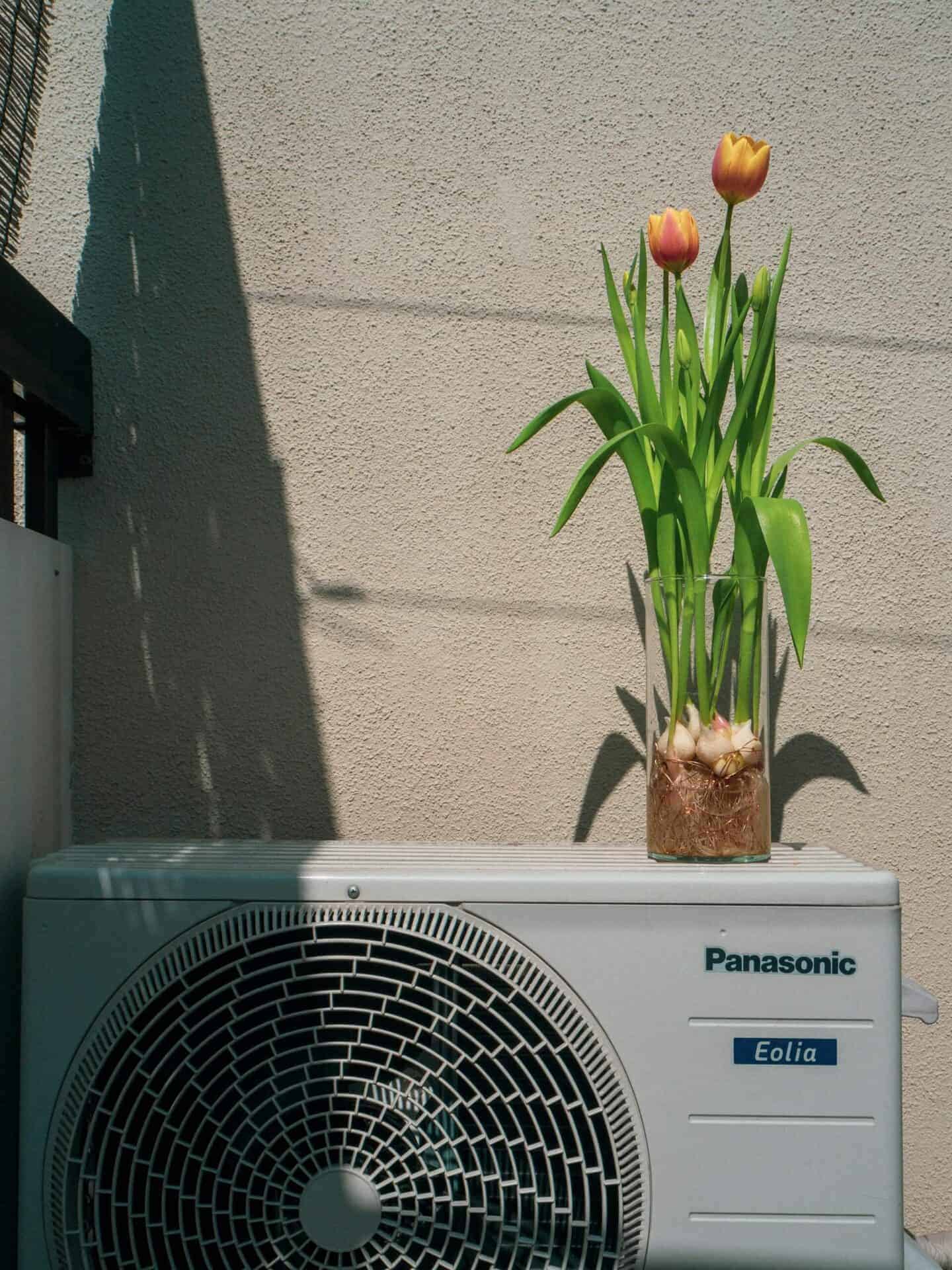
When your tulips bloom, displaying them can be half the fun. Clear glass vases or tubes let you show off both the flowers and their wild root systems, making for a pretty cool conversation piece.
Try wall-mounted frames, tiered shelves, or even custom displays with LED lights to show off your tulips in new ways. Some florists get creative with floating rafts or use colorful stones and gels for a modern vibe.
For events, interactive centerpieces with mini water features can be a hit, guests get to see the tulips up close and personal. And if you’re into sustainability, upcycling old glassware or materials for your displays adds some personality and is just more fun, honestly.
Hydroponic Tulips in Homes and the Global Market
Hydroponic tulips aren’t just a novelty; they’ve found their way into homes and the global flower trade, too. With new growing techniques, these tulips thrive far beyond the old-school fields and appeal to just about everyone, from home decorators to big-time growers. There’s something pretty satisfying about seeing them flourish in unexpected places.
Great Places to Showcase Hydroponic Tulips
Hydroponic tulips just fit into so many spaces, honestly, thanks to their clean growth method and how reliably they bloom. They’re pretty much made for modern homes where dirt’s just not practical, and since they grow in water, you don’t have to fuss as much with maintenance.
Some of the best spots?
- Dining tables: A bunch of fresh tulips in the middle of the table can really brighten up meals and make gatherings feel special.
- Office desks: The colors are a mood-lifter, and you don’t have to worry about dirt getting everywhere.
- Reception areas: Businesses love them for that clean, contemporary vibe – no mess, just style.
Clear glass vases or quirky jars work great for showing off the roots and the water setup, which is honestly half the fun of hydroponics. You’ll spot these in hotels, spas, even cafés, adding a little sophistication without the usual soil hassle.
The Living Room Trend
The living room seems to be the heart of the hydroponic tulip trend lately. These flowers bring a pop of color and that fresh, hopeful vibe – even if it’s the dead of winter outside.
People are drawn to hydroponic tulips because of their:
- Programmable blooming: so you can time the flowers to open for birthdays, holidays, or whenever you want to show off a little.
- Neatness: no dirt, which means no risk of muddy carpets or stained couches.
If you ask designers, they’ll tell you to group tulips at different heights for a more dynamic, layered look. You’ll see them a lot in Scandinavian-inspired spaces. There’s just something about the simplicity and clean lines that works. Really, they fit in almost anywhere, whether your place is minimalist, classic, or even a bit eclectic.
Hydroponic Tulips for Flower Farmers
Flower farmers are catching on to hydroponics to keep up with shifting demand and stretch out the blooming season. These systems let them control the environment, so there’s less worry about pests, and they can skip the pesticides altogether.
Some of the main perks:
| Benefit | Description |
|---|---|
| Year-round production | Growers aren’t stuck to the usual season—they can offer tulips almost any time. |
| Less land needed | Vertical and indoor setups save space, which is a big deal if land’s at a premium. |
| Consistent quality | With climate controls, the blooms are more uniform and reliable. |
Because they can schedule blooms for big dates. Think Valentine’s Day or weddings – farmers can line up their harvests with what the market wants. Plus, hydroponics usually means less water and fertilizer, so it’s a step toward more sustainable flower growing.
Hydroponic Tulips in the USA and Beyond
In the USA, hydroponic tulips have really taken off, especially with Dutch bulbs getting some TLC from creative American companies. These large-scale growers are now churning out millions of blooms a year – pretty wild, honestly, isn’t it!
It’s not just a city thing, either. This approach is catching on in places where traditional farming just isn’t possible because of the climate. Tulip exports from the US now reach buyers across Europe, Asia, and the Middle East.
Worldwide, the trend’s inspired farmers in Japan, the Netherlands, and elsewhere to try similar systems. The result? A steadier supply for weddings, holidays, or just everyday flower fans – no matter the season or where you live.
Hydroponic tulips are definitely carving out a bigger slice of the cut-flower world, mixing techy innovation with the timeless charm of classic blooms.

Notable Brands and Suppliers
Hydroponic tulip production is a mix of old favorites and some newer names shaking things up. Whether you’re after bulk flowers or a kit for your windowsill, knowing which brands are solid makes the whole process way less stressful.
Bloomaker and Other Innovators
Bloomaker, Inc. is one of the big players, famous for their hydroponically grown tulips – those big bulbs and super easy arrangements make them a go-to. They do other flowers too (giant amaryllis, for example), but tulips are definitely their thing, especially for folks who want blooms without much effort. Most of their bulbs come pre-chilled and ready to go, so you can force them indoors and get pretty consistent results.
There are also smaller farms and producers trying out new hydroponic tricks or tweaking nutrients to get even better blooms. Some companies offer unique varieties you won’t find in soil-grown tulips, which is pretty cool if you’re after something different. Collaborations between growers and florists have also made it easier to find these flowers in local shops and online.
Among the bigger cut tulip suppliers, Bloomia stands out. They’re known for large-scale hydroponic production and solid, reliable quality. As one of the largest in the US, they’ve helped shape what’s trending and often supply major retailers.
Where to Buy Hydroponic Tulip Kits
If you’re thinking of growing your own, hydroponic tulip kits are easy to find online and sometimes at garden centers. Brands like Bloomaker often sell all-in-one kits – bulbs, vessels, instructions, the works. So the process is pretty much foolproof whether you’re a newbie or a seasoned gardener.
Online shops usually have a curated selection, and sometimes you can even pick your bulb varieties or color mixes. It’s worth checking if the kits come straight from the grower or a reseller, since that can affect both how fresh they are and the price. Around early spring, some local florists and small farms also get in on the action, selling hydroponic tulips for the season.
If you’re after rare varieties or just want something special, some specialist suppliers offer unique kits. Comparing what’s in the box, customer service, and reviews is always smart – no one wants a disappointing flower experience!
Choosing Quality Over Price
When you’re picking out a supplier, honestly, putting quality first can really change the outcome of your blooms. High-quality bulbs usually give you bigger, healthier tulip flowers, and, let’s face it, they’re just less likely to end up with some weird disease. A brand like Bloomaker? They’ve got a reputation for a reason. They stick to strict standards when it comes to selecting, handling, and packing their bulbs.
Sure, it’s tempting to go for the cheaper deal, but those mystery suppliers might be skimping on bulb size or skipping important pre-treatment steps altogether. Sometimes, the kits from these places barely have any instructions, or the support is, well, pretty much nonexistent. That can lead to some pretty underwhelming results. It’s usually worth taking a minute to check out guarantees, see how responsive their customer service is, or even just figure out where the bulbs are actually coming from before you hit “buy.”