
The trail narrowed until it was little more than a ribbon through the trees.
Leaves whispered overhead, sunlight slanted in golden shards, and the air smelled of moss and damp stone. Then, almost without warning, the forest opened to reveal what I had half-hoped, half-doubted I would find: the crumbling silhouette of a castle, its towers softened by ivy, its walls scarred by centuries. Cycling or walking through Europe’s forests, you discover that the past is never as far away as it seems. The old roads and hidden paths don’t just connect villages – they lead you straight into history.
The Forest as a Guide
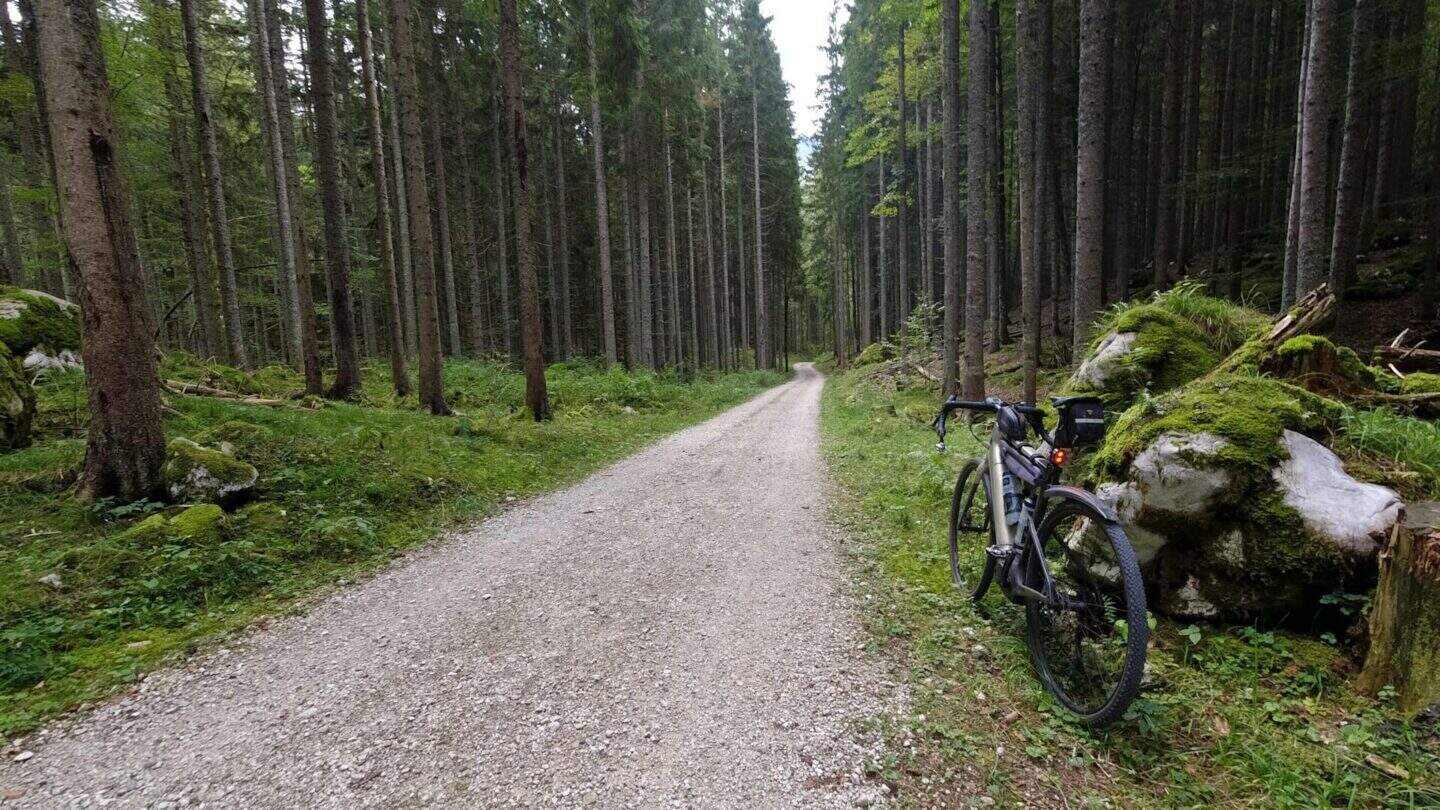
Forests hold their own kind of magic. They muffle sound, alter light, and create a sense of time slowed down. On a bicycle, you notice every shift: the crunch of gravel under your tires, the cool dampness when you dip into a hollow, the sudden warmth as the path climbs toward the sun. Walking, the rhythm is even slower, each footstep placing you deeper into the silence.
In Germany’s Black Forest, I once followed a cycling path that wound between pines so tall they seemed like cathedral pillars. For miles there was no village, no house, just the steady sound of the river running parallel. And then, around a bend, the ruins of a medieval tower appeared on a rocky outcrop. It felt less like stumbling upon a monument and more like the forest itself had decided to share one of its secrets.
Castles Beyond the Guidebooks
Not all castles announce themselves with ticket booths and souvenir shops. Many lie tucked into the folds of the land, remembered only by the locals who still tell their stories. These are the castles that make cycling or hiking through forest country so rewarding.
In Slovakia, riding through the Lesser Carpathians, I found myself standing before the quiet remains of Pajštún Castle. Ivy climbed its walls, and goats grazed nearby as if the fortress had never existed. There was no tour group, no guide, just the wind rattling through empty windows. It was a reminder that history isn’t always curated – it sometimes lingers in ruins you have to find on your own.
And in Spain, I discovered the magic of pairing castles with cycling. Winding through oak and chestnut forests in the northern regions, I stumbled across ruined watchtowers and hilltop fortresses long abandoned to the trees. Cycling holidays Spain often highlight the beaches and vineyards, but inland you’ll find routes where forgotten castles appear without warning, perched on ridges above villages that still live in their shadow.
Encounters Along the Path
Part of the charm of these journeys lies in the people you meet. Forest villages often feel like they belong to another rhythm. Children wave as you pass, woodsmoke drifts from chimneys, and someone will almost always point you in the right direction if you look lost.
Once in Transylvania, after hours of cycling through rolling hills and oak woods, I asked an old man with a cart where the road to a ruined castle lay. He smiled, waved his hand vaguely toward the horizon, and said, “Just follow the forest. It will find you.” And he was right. Hours later, the trees parted, and there it was: a weathered fortress, standing alone on its hill, waiting like a patient ghost.
The Seasons of the Forest
The experience shifts with the seasons. In spring, paths are alive with birdsong and wildflowers. In summer, the dense canopy shields you from the heat. But autumn may be the most enchanting time of all. The forest glows in copper and gold, and castles hidden in the foliage seem to re-emerge, framed by fire-colored leaves. Winter, though stark, has its own allure – the silence deeper, the ruins sharper against the pale sky.
Cycling through the Bohemian Forest in late October, I remember the air sharp with the scent of woodsmoke and apples. The castle I found that day wasn’t marked on my map at all; it rose unexpectedly above the mist, its silhouette glowing in the last light of the day. That surprise, that sense of discovery, is what makes these journeys linger.
Lessons From Forgotten Walls
There’s something humbling about standing beside a forgotten castle after hours of riding or hiking. You realize these walls once echoed with voices, with music, with arguments and laughter. Generations lived and fought here, and now the forest has reclaimed what was left behind.
Traveling this way teaches patience. Forest paths don’t rush; they meander, climb, and test your resolve. The castles remind you that even the most formidable walls are temporary. What lasts are the stories, carried in the stones and in the people who still point you toward them.
The Return to the Village
Eventually, the path will carry you back to civilization. The forest thins, rooftops appear, and the sound of church bells replaces birdsong. You roll into a village tired but exhilarated, your bike leaning against a wooden fence, or your boots dusty from the trail. Perhaps you’ll end the day in a rustic inn, with soup steaming on the table and the faint echo of the castle still in your mind.
That’s the gift of these journeys: you don’t just collect sights, you collect atmospheres. The damp air of the forest, the texture of moss on stone, the flicker of light through ruined windows. These are memories no postcard can capture.
A Journey Remembered
When you look back, what stays with you isn’t just the castles, but the way the forest carried you to them. The hush of trees, the long climbs, the sudden clearing where history waited. Cycling or walking through these landscapes, you learn that discovery isn’t always about grand destinations. Sometimes it’s about following paths with no promise, only the quiet possibility that something forgotten might still be there, waiting.
And when you do find it – stone walls softened by ivy, towers rising from the treesm you feel not just like a traveler, but like part of the long story of the land itself.