
Many travelers see Manila as little more than a stopover, a transit point on the way to the Philippines’ famous beaches and islands. With the lure of white sand and turquoise waters elsewhere, it’s often easy to overlook the capital. Yet this perspective misses out on a city that has long been at the center of the country’s history and cultural identity.
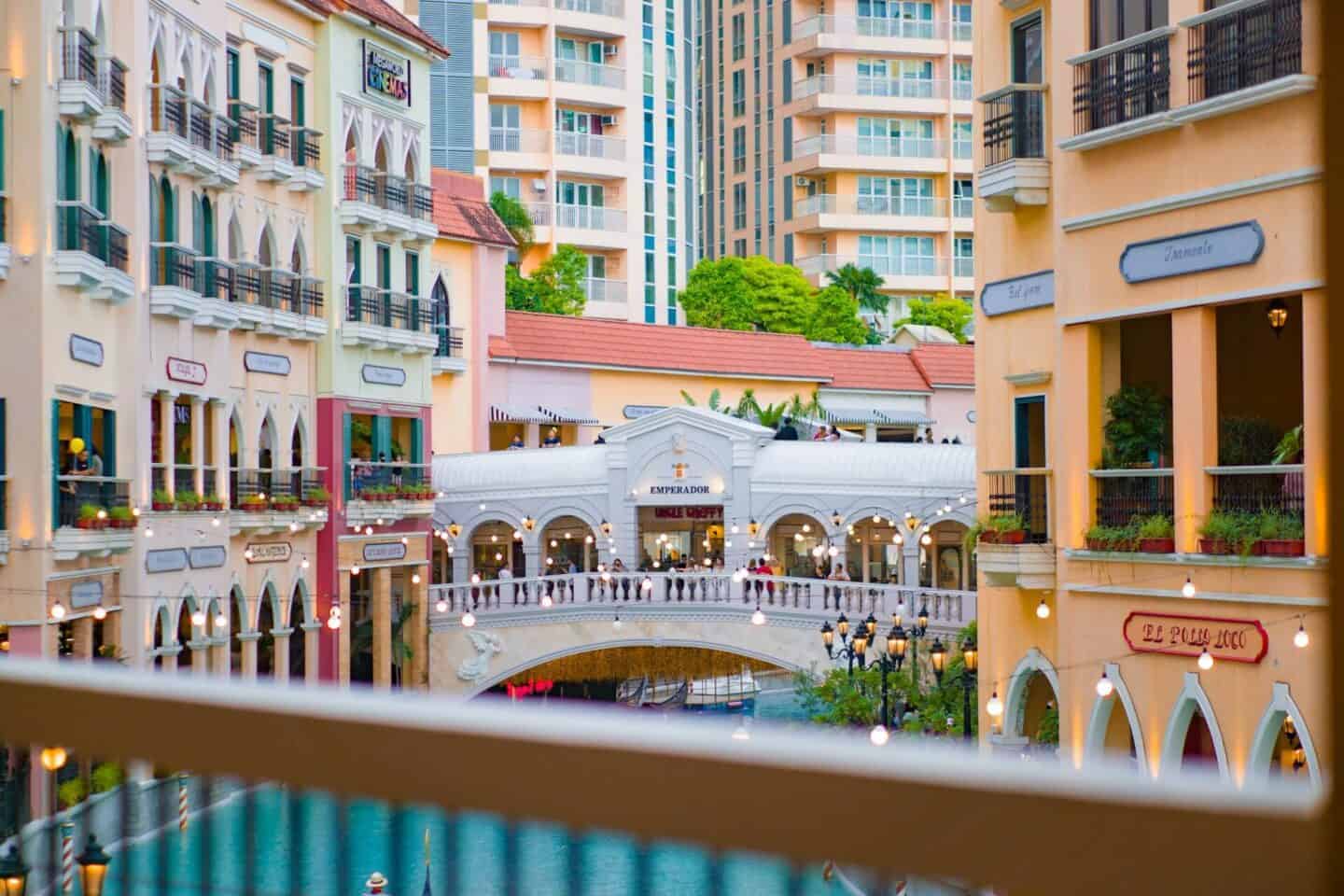
For those who take the time, Manila promises a myriad of colorful experiences shaped by centuries of Spanish, American, and Asian influences, all woven together with distinct Filipino character. There’s plenty to explore in the city, from cobblestone streets and colonial churches to thriving food districts and contemporary art spaces. Even just a day or two can reveal a side of the Philippines that helps you understand the country far beyond its resort postcards.
Want to plan a cultural holiday in Manila? Read on for some practical tips to help you make the most of it.
1) Stay Somewhere Convenient
Navigating Manila can be time-consuming, so where you stay makes a real difference in how much you can experience. Accommodation in or near Intramuros, Ermita, or Makati keeps you close to major cultural attractions while offering options that fit different budgets. A hotel near NAIA is also a good choice if you’ll be flying off to a different part of the country after your explorations.
Staying at a central hotel in Manila means less time stuck in traffic and more time walking the cobblestone streets, visiting museums, or slipping into a café between sights. Remember, you’re visiting a dynamic city where location often matters more than amenities.
2) Prioritize and Cluster Destinations
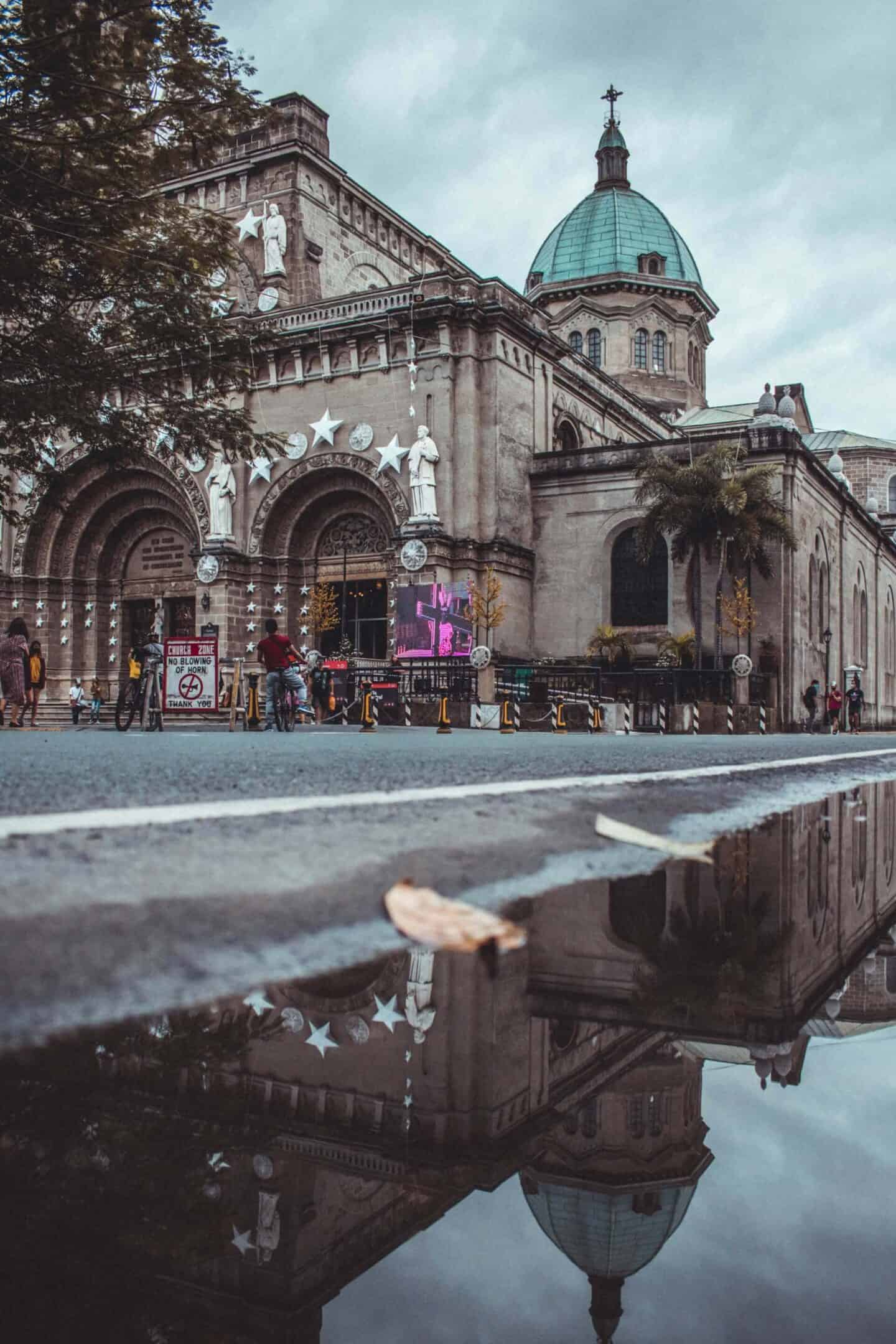
Manila’s much-talked-about traffic is no joke, especially during rush hours. It’s extremely common for travel from place to place to take longer than expected. Group together attractions that sit near each other to avoid spending too much of your day in transit. For example, within Intramuros you can see Fort Santiago, San Agustin Church, and Casa Manila without leaving the walled city.
When you plan in clusters, you’ll save energy and experience more without feeling rushed. It’s an approach that makes for far more enjoyable sightseeing overall.
3) Be Strategic about Timing Your Visits
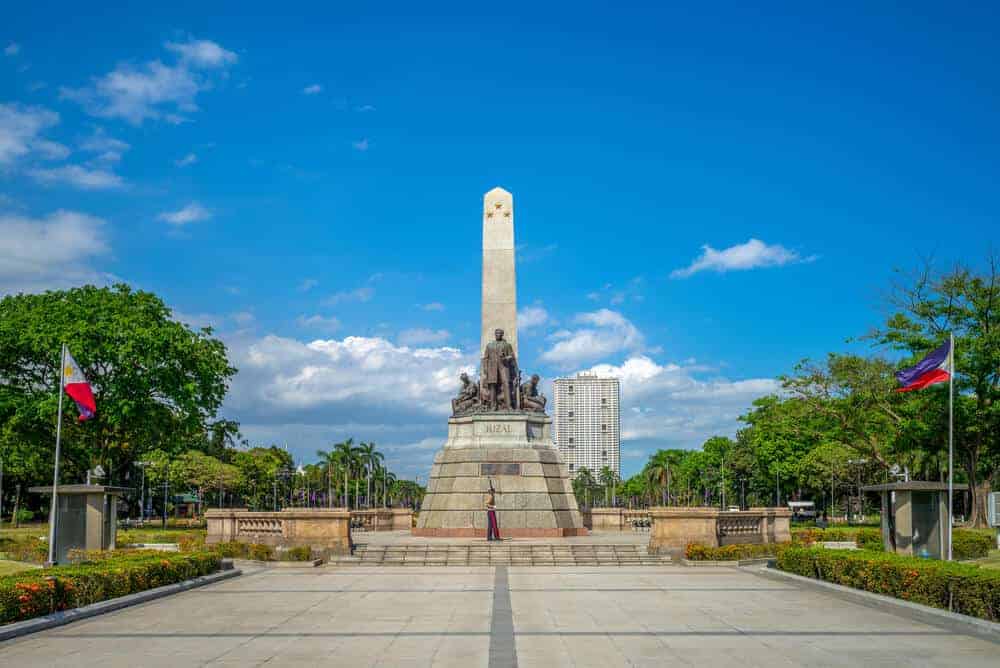
The midday sun in Manila is unforgiving, and crowds can make popular attractions less pleasant. Start your mornings with open-air landmarks such as Rizal Park or walking tours around Intramuros. When the day heats up, move indoors to explore the National Museum complex or the Cultural Center of the Philippines. Evening strolls through historic districts can also be rewarding once the weather cools. It always pays to match your visits to the rhythm of the city; that way, you’ll see more, more comfortably.
4) Mix Well-Known Spots with Hidden Gems
Manila’s big-name attractions deserve attention, but weaving in less obvious stops adds depth to your trip. After exploring Intramuros, you might head to Escolta to admire its Art Deco buildings or spend time in Quiapo, where faith, commerce, and tradition intersect in lively ways. Balance the classics with discoveries off the tourist trail and you’ll leave with a more complete picture of the city.
5) Plan Around Food Stops
Meals in Manila are more than just fuel for sightseeing; they’re a gateway to culture. A heritage restaurant like Ilustrado in Intramuros lets you sample dishes inspired by history, while Binondo is one of the world’s oldest Chinatowns and the site of an unforgettable food crawl that mixes Chinese and Filipino flavors. Building your itinerary around food breaks ensures that and your companions don’t just get a chance to recharge but also yet another way to immerse yourselves in the city’s culture.
6) Consider Guided Tours
Sometimes, the difference between simply seeing a landmark and truly understanding it lies in the stories you hear. Guided walking, cycling, or food tours provide valuable context that can help you appreciate the places you visit and the things you see there. They also cut down on planning stress by organizing logistics for you, which is especially helpful if you have limited time. With the right guide, you’ll often get the chance to focus on details you might have missed on your own.
7) Make Room to Rest and Adjust Plans If Needed
You’ll set yourself and your group up for exhaustion if you try to fit too many stops into a tight schedule. Manila rewards travelers who pace themselves, whether that means visiting just two or three major attractions a day or leaving space for spontaneous discoveries like a street performance or a local market. Keep your itinerary flexible, so you can enjoy each experience more fully and avoid the burnout that comes from overpacking your days.
Those who make time to explore Manila’s cultural heart will gain a rich perspective on the Philippines that you simply won’t find in its airports or on the way to the islands. The city brims with history, art, and the treasures of everyday life, and it rewards those who pause long enough to notice. Don’t hesitate to give Manila its due; you’ll open yourself to experiences that reveal the Philippines in a richer, more meaningful light.