
Training a young horse can be a daunting challenge, even for seasoned equine owners. Newbies may have an even tougher time handling an equine pet. Every animal has a different temperament and varying strengths and weaknesses, so you cannot take a one-size-fits-all approach to train them. Moreover, you may have doubts about handling a young animal because you hardly know anything about its track record. However, nothing should keep you from taking over the trainer’s role if you want to do it yourself. Let us share some valuable training advice to tame a young horse.
Know the nuances
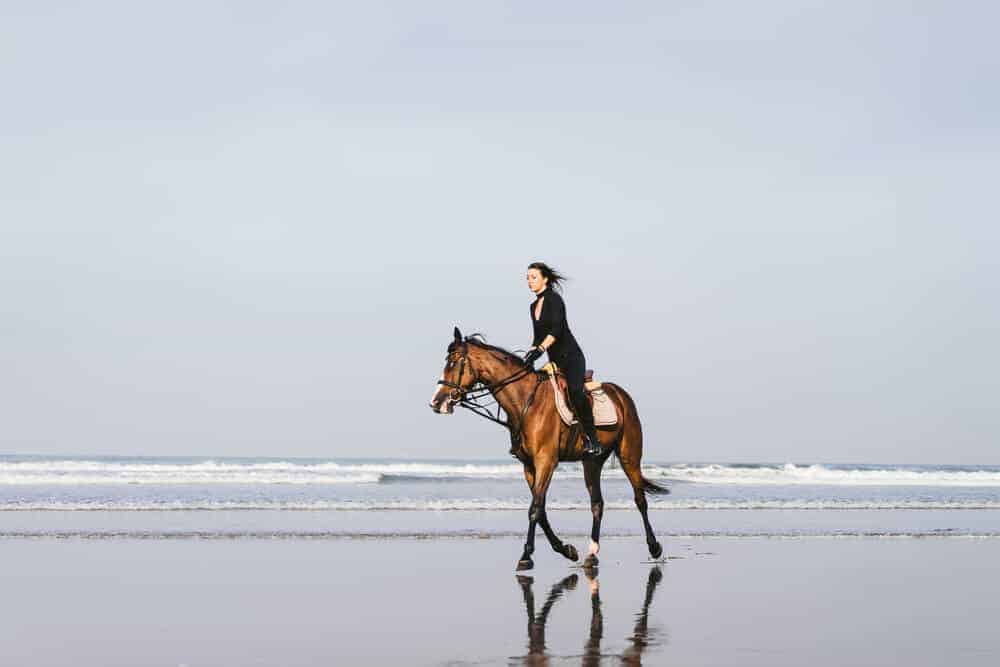
A young horse is like a clean slate, so training it is like starting from scratch. The first time is often the hardest for the animal and the trainer. You must know the nuances of equine training to handle the project successfully. Commit to it only if you are confident about stepping into a trainer’s role. It is better to find a professional trainer as a beginner because they know everything about teaching mannerisms and tricks to a rowdy or gentle equine.
Follow your horse
Each equine has a unique learning pace, physically and mentally. Some are mature for their age, and others need more time to handle the rigors of educational sessions. The best thing you can do as a trainer is to follow the animal and align your training plan to its comfort and capabilities. Also, avoid rushing into things or expecting too much because it can stress out the animal.
Invest in the right equipment
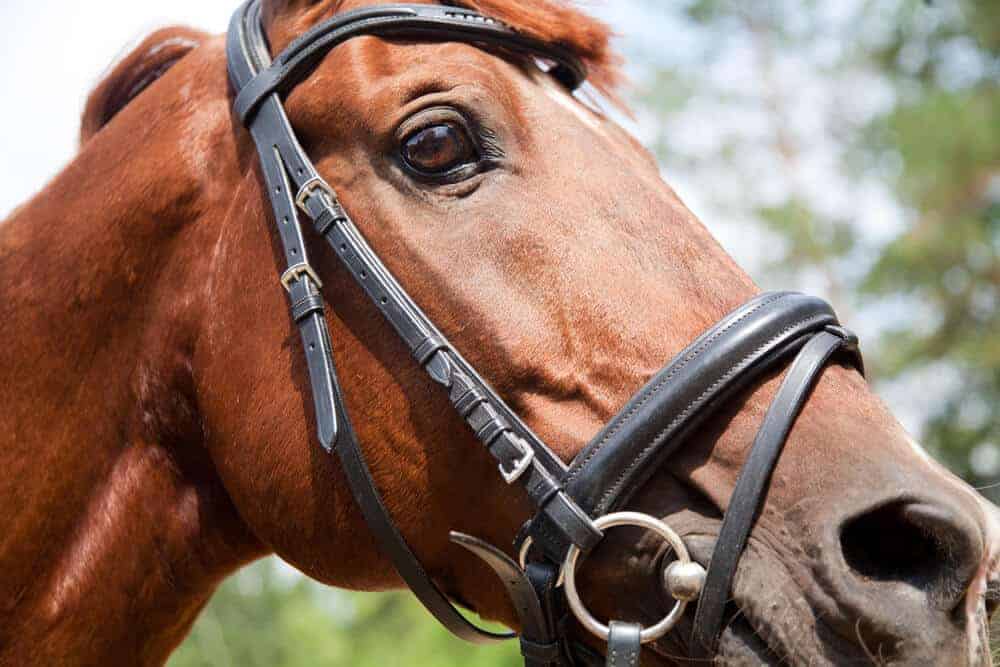
Equine training is a complex process and entails the use of some tools and equipment, such as a lead rope, halter, lunge whip, and round pen. A sweet iron snaffle bit is ideal for young horses because it is gentle on the animal’s mouth. Invest in appropriate gear for a beginner to keep it comfortable during the sessions. Having the basics at hand also eases the process for you as a trainer.
Moreover, during equine training, the importance of high-quality saddle pads cannot be overstated. These pads contribute significantly to the horse’s comfort during training sessions, providing essential cushioning and support. When paired with other tools like a lead rope, halter, lunge whip, and round pen, saddle pads ensure a well-rounded and comfortable training experience for both the horse and the trainer. As a beginner, investing in the right gear not only enhances the learning process but also makes a positive and effective training environment.
Set firm boundaries
Educating a young horse is also about setting firm boundaries because they keep bad habits and disrespectful behavior at bay. If you fail to discipline your equine in the beginning, disobedience and rowdiness become a way of life for it. Be fair and realistic, but maintain a firm grip over the animal’s behavior. Establish rules and ensure that the young horse follows them throughout the training sessions. It may seem too strict for a young animal, but consider it a way to set the stage for a successful riding career.
Practice patience
Training horses requires immense patience, so commit to practicing it from the outset. You may have to face insecurities and bad days when the animal gets rowdy and aggressive. You may even want to step back when the progress seems to be slow. But a patient and consistent approach keeps you going, no matter how daunting the sessions get. Building trust and bonding with your equine partner is vital to make the training process a breeze. Patience keeps you a step ahead in this context.
A young horse is hard to train, but the challenge is not as daunting as you imagine. Follow these tips to ace the equine training game like a pro.
You may also like:
- How to Protect Your Horse from Flies This Summer
- The 10 Best Places to Ride a Horse in the US
- Family Diary: My Parents and Their Horse History
- Top Tips On Caring For The Health & Well-Being Of Your Animals
- The Best French Horse Names For Mares and Stallions
- Famous French Horses: Icons of Equine Excellence