
Some children simply burst with high levels of self-confidence. They aren’t afraid to share their opinions. They can be willing to try new things. And no matter the obstacles in their way, they are proactive in overcoming them.
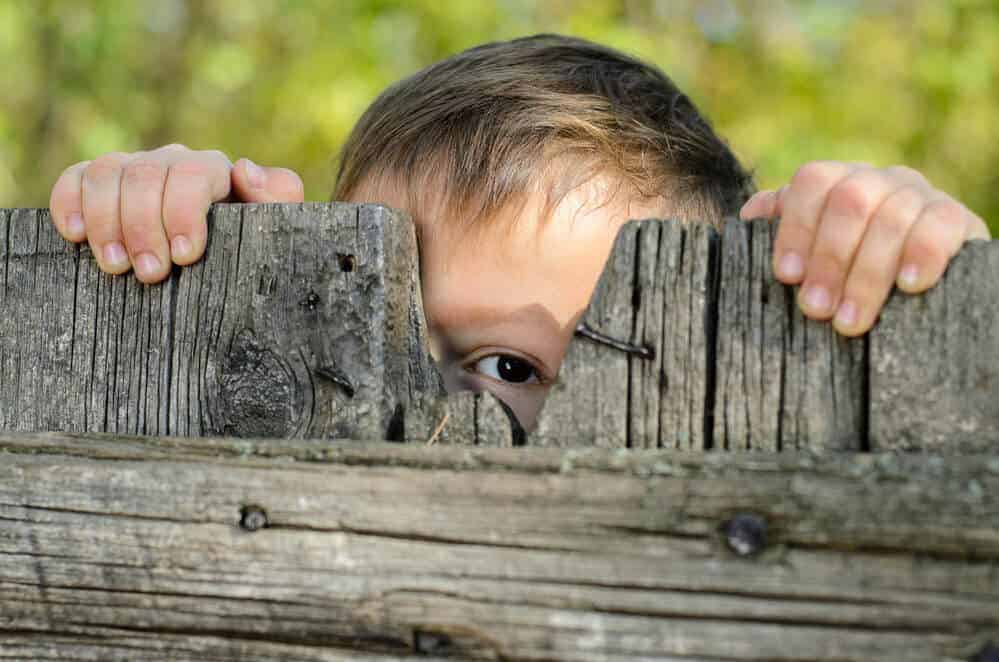
But then there are those children who experience low self-confidence. They might show signs of shyness at school and at home. They might resist opportunities to step out of their comfort zone. And they might struggle with elements of their learning.
As adults, we can relate to this as we too can have high or low self-confidence. There are things we can do to help ourselves if we border on the latter and there are things we can do to help our children too. So, let’s take a look at why children suffer from low self-confidence and what we can do to support them.
#1: Academic struggles
Not every child performs well at school and when they fail, they can start to lose their self-confidence. This is partly because they compare themselves unflatteringly to others, and partly because their peers, teachers, and even their parents, can put them down when they don’t do well.
To support your child, you need to understand why they aren’t doing very well academically. Speak to their teachers and most importantly, speak to your child. It might be that your child has special educational needs, or there could be other issues that affect their academic work, such as an inability to ask for help when it is needed. Get to the bottom of whatever the issue is and with the support of the school, do what you can to help boost your child’s academic potential.
#2: Struggles with social interaction
Some children make friends easily but there are also those who don’t. This might be because they feel different to other children, or it could be because they don’t know how to relate well to others. If they are already experiencing low self-confidence, this can also be a factor, as they might be reluctant to open themselves up to rejection. In relation to this, it might be that they have already experienced rejection, which is why they then shy away from others.
Schools can help in this regard, as some employ learning mentors and other specialist support staff to work with children who struggle socially. Through role-play and group activities, children can learn to interact socially while also benefitting from being with their peers. Such activities are often available to those with special educational needs as SEN school therapy can help those who feel ‘different’ when comparing themselves to others. However, most schools support children who struggle with friendships so talk to your child’s teacher about what is available.
As a parent, there are specific things you can do to help your child. Arrange play dates, role-play social situation scenarios with them, and encourage your child to attend extra-curricular activities where they will meet people with shared interests. Hopefully, they will then become more confident around others.
There are all kinds of reasons for low self-confidence in children so we haven’t explored every circumstance here. However, you can find out more by committing to research online and by talking to your child about the issues that are affecting them. Check out our article on raising a confident child and browse our website for other articles that might be helpful to you.
*This is a collaborative post