
Being a parent is certainly not an easy challenge and sometimes we can worry if we are doing enough for our children. As our children start to grow it is important that we aid their personal development to help their self-confidence flourish.
Today, we will be discussing a few top tips on how you can play a role to aid your child’s personal development. From encouragement to shared responsibility we cover it all.

Celebrate Successes
In order for your child to develop and gain confidence in their abilities, it is important to celebrate successes along the way. By acknowledging a recent success, you are showing your child that you recognize that they’re growing, and it helps them to build on their confidence as well. Your child is likely to feel good about themselves and this shows them that they are capable of doing the task at hand.
It can be a good idea to make a record of their accomplishments too so they can look back and see how far they’ve come. This can be anything from a photo album to a rewards chart. There are plenty of reward chart downloads online that you can utilize for free.
Give Responsibility
You can aid your child’s personal development by trusting them with responsibilities. Of course, the extent of the responsibility that you give will be determined by the age of your child. However, giving responsibility, no matter how big or small, helps your child to feel like they’re being useful. Not only does this help them gain confidence, but it also shows them that they have the capabilities to complete certain tasks. There are plenty of activities that you can ask your child to help you with like washing the dishes or folding laundry away.
Sensory Play
Sensory play is a crucial aspect of every child’s development, but it is not something all parents are familiar with. If you are wondering, how will sensory play help your child develop? Then luckily Rainbow Smiles are on hand to give you the all-important information you need.
They can teach you about how sensory play can aid the development of skills and they even give you activity ideas that you can do with your child. From birth, our children use their senses to explore and make sense of the world, so it is important that we encourage them to engage in activities that enhance learning and retention of information.
Help Them Become Problem Solvers
There comes a time in everyone’s life where we are faced with a problem. In these instances, we need to learn how to find solutions to overcome these issues in order to develop further and work past them. That is why it is important that during the early stages of our children’s lives, we help them become problem solvers. So, whenever life throws a curve ball at them, they have the confidence to work around it and find a solution.
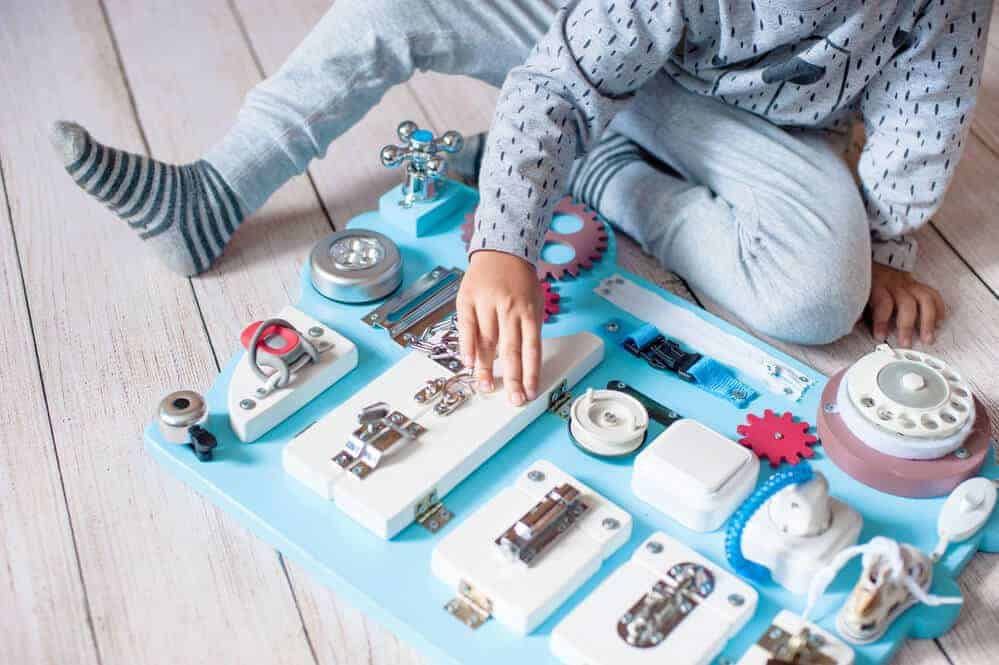
Problem solving can actually be fun for the family and there are plenty of problem solving activities you can do. Whether that’s completing a puzzle or taking part in a fun team building exercise. Don’t be afraid to look online for some unique ideas such as jigsaw puzzles to help you get started.
Provide Encouragement
Encouragement is essential in helping your child to develop. There may be times when your child feels disheartened because they cannot complete a task, or there may be a subject that they are struggling with at school. Providing them with encouragement will give them the confidence that they need to overcome these obstacles. Not only will it help to give them more confidence, but it will also allow them to feel supported by you as well. Confidence is key in aiding personal development and encouragement is a great way to help build that.
Set Rules
Once your child is old enough to understand simple instruction, it is important to put a set of consistent rules in place. Rules provide a sense of security, and they are put in place to keep your child safe. You should ensure that consistent and logical consequences are in place when your child does break a rule. This will help them later on in life through their education as they will be able to better connect their behaviors and actions with natural consequences.
If you are unsure on where to begin when it comes to setting rules, then luckily there is an effective strategy which can help. Through some online research you will be able to put effective rules into place through following the five C’s: clarity, consistency, communication, caring and create. Your child may struggle to follow some rules more than others, but patience is key and once they have faced a consequence, they will soon learn to be more obedient to the rules in the future.