
In our modern, convenience-driven society, it’s not unusual for children – and often adults – to have a disconnect between the food on their plate and where it comes from. The concept of food being grown or raised on farms, in fields, and in factories is abstract to many. However, making the effort to teach our children about food origins can foster a healthier perspective on what they consume, impact their food choices, and encourage a greater appreciation for the planet and its resources. Agri-education can become part of our everyday conversations and activities, ultimately helping your kids build a good relationship with food, the planet, and the industries that produce it.
Impact of Food Recalls
Food news and events can be a good opening to talk about where food comes from and how it gets to the plate. If your kids’ favorite food is unavailable or in short supply, you could head to the producer’s website to find out what’s going on and run through the details with your kids. Most reputable producers will provide detailed updates about any given situation – for example, you can find Taylor Farms salad recall information shown prominently on their website.
When a food producer experiences challenges, you get a golden opportunity to introduce your children to the interrelated complexities and realities of food safety, supply chains, and the challenges of mass production. You can talk about where the food was grown or raised, how it has been processed, and the journey it has taken to reach the supermarket or dinner table. It is an opportunity to introduce the importance of local produce, seasonal eating, and the concept of ‘farm to fork’.
Farm Visits and Gardening
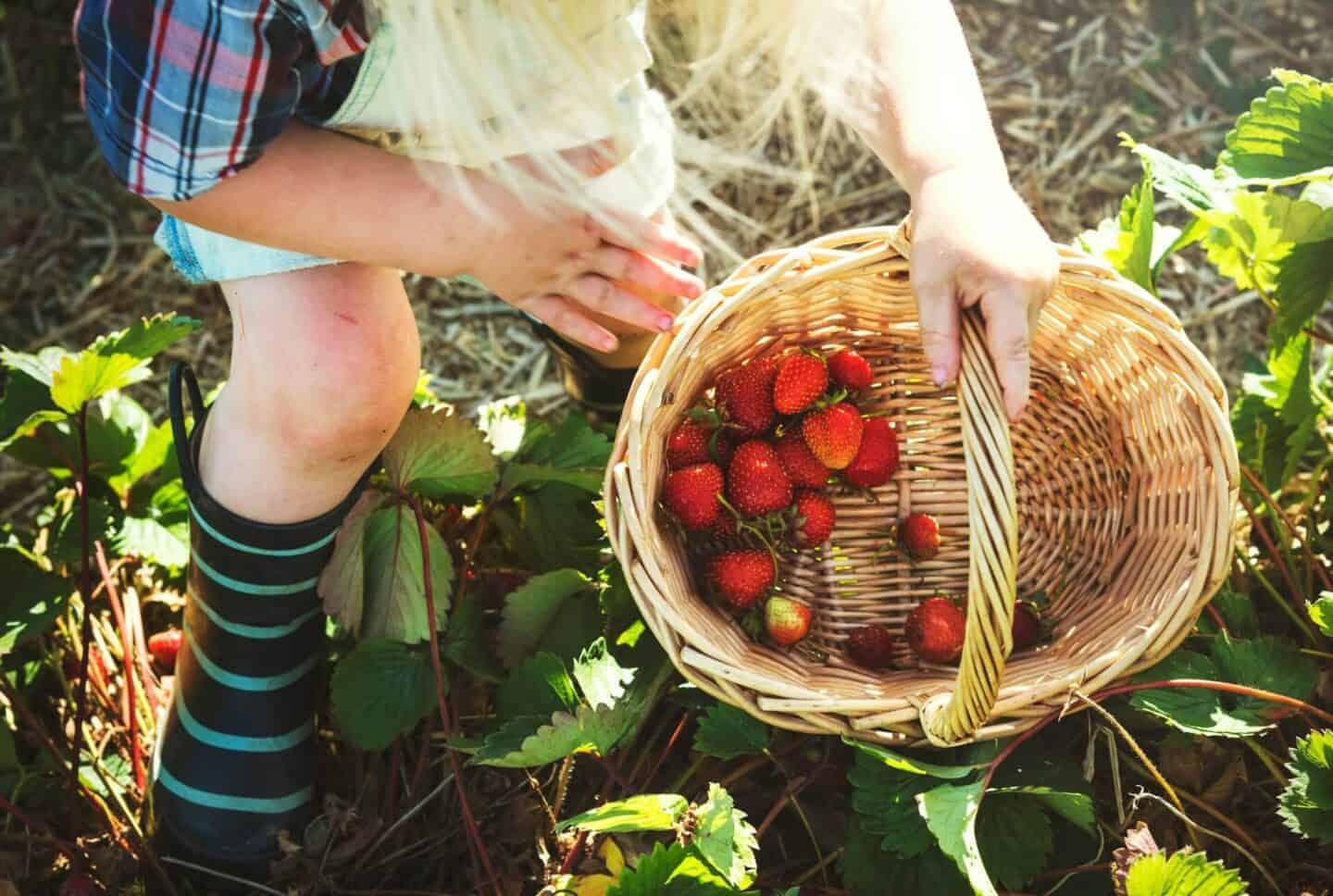
One of the most engaging ways to educate children about food sources is by visiting a local farm or community garden. Experiencing the process first-hand, from planting seeds to seeing the grown products, gives a much more tangible understanding of how food is grown. Tending to plants and then eating the fruits of their labor can give kids a sense of accomplishment and a new perspective.
Planting your garden, even if it’s just a small herb garden on a windowsill, can also be very beneficial. Choosing what to plant, nurturing the seeds, watching them grow, then using the final product to cook with, gives kids a real sense of achievement and aids their understanding of the food cycle.
Cooking Lessons
Kids are more likely to eat a meal they’ve helped to prepare. Engaging them in the process of planning, shopping for, and cooking meals, linking each ingredient back to its source, can be a fun and educational exercise. When discussing each ingredient, explore the countries of origin, the climates in which they grow best, and how they are harvested and transported.
Digital Resources
We live in a digital era where a wealth of knowledge is available at our fingertips. There are numerous online resources, including websites, interactive games, and educational videos that explore various facets of the food cycle. These resources can provide children with in-depth and visually engaging information about where different foods come from. It can also make the learning process much more enriching, which in turn makes otherwise complex concepts much easier to grasp.
Food-Related Trips and Experiences
Trips to farmers’ markets, aquariums, or even grocery store tours can all be used as teaching opportunities. Talk to fishermen or farmers and ask them questions about their produce, how it’s grown or caught, and how it ends up on our plates.

Eating as an Educational Experience
Learning where food comes from is an essential part of children’s education about the world around them. By nurturing an awareness of food origins, they’ll understand the efforts that go into producing the meals they eat, which ultimately promotes healthier and more sustainable eating habits. The discussions generated, the questions raised, and the understanding gleaned can significantly influence their food choices, their health, and their appreciation for the process. What’s more, it strengthens their connection with the environment, potentially shaping them into future responsible custodians of our planet.