
As energy costs continue rising, finding ways to lower your electricity bill has become increasingly important for households and businesses. Fortunately, there are numerous strategies you can implement to minimize the energy consumption in your home and save money. This article explores the top ways to lower your electricity bill while promoting energy efficiency and sustainability.

Compare Electricity Providers
You should first shop around and compare different electricity providers to reduce your electricity bill. Many energy companies offer competitive rates to save you money in the long run. Explore online, where you may come across https://electricitymonster.com.au/, which offers attractive discounts and special offers, or check with your local utility provider for cheaper electricity plans. Negotiating a better rate with your current provider may be possible if you show them how much more competitively priced other companies are.
Upgrade to Energy-Efficient Appliances
A practical way to reduce your electricity bill is by upgrading to energy-efficient appliances. Older appliances consume more energy, so replacing them with energy-efficient models can lead to significant savings over time. Go for appliances sealed with an Energy Star rating, which have been certified to meet strict energy efficiency standards. From refrigerators and washing machines to televisions and air conditioners, investing in energy-efficient appliances can help lower your electricity consumption.
Then, make the most of natural light during the day by opening curtains and blinds to reduce the need for artificial lighting. Similarly, use natural ventilation by opening windows and allowing fresh air to circulate, particularly during milder weather. By relying on natural light and ventilation when appropriate, you can reduce your dependence on electrical lighting and cooling systems.
Install LED Lighting and Reduce Phantom Energy Usage
Traditional incandescent light bulbs consume significant energy and have a short lifespan. Switching to LED (Light Emitting Diode) bulbs can reduce your lighting costs by up to 75%. LED bulbs are more energy-efficient, having a longer lifespan, making them a cost-effective choice. Although LED bulbs may have a higher upfront cost, their long-term savings make them a worthwhile investment.
Additionally, many electronic devices and appliances consume energy even when turned off, or when in standby mode. This phenomenon, phantom energy or standby power, can contribute to a significant part of your electricity bill. To minimize phantom energy usage, quickly unplug devices that are not in use or use power strips with an on/off switch to cut off power to multiple devices. Being mindful of your energy consumption and actively unplugging unnecessary devices can lead to noticeable savings over time.
Adjust Your Thermostat and Improve Home Insulation
Heating and cooling your home can majorly contribute to high electricity bills. To lower your energy consumption:
- Adjust your thermostat settings.
- In the summer, set your thermostat a few degrees higher when you’re away or asleep, and use fans to circulate air, creating a cooling effect.
- In the winter, lower the thermostat temperature and use additional layers of clothing to stay comfortable.
- Consider installing a smart thermostat, allowing you to set specific temperature schedules and optimize energy usage.
Meanwhile, inadequate insulation can result in energy loss, especially in older homes. Poorly insulated walls, roofs, and windows allow heat to escape during the winter and enter during the summer, forcing your HVAC system to work harder to maintain a comfortable indoor temperature. By improving your home’s insulation, you can reduce the load on your HVAC systems and lower your electricity bill. Consider adding insulation to your attic, sealing gaps around windows and doors, and using weatherstripping to prevent air leaks.
Practice Efficient Water Heating
Water heating can take up a significant portion of your electricity bill. To reduce energy consumption, consider implementing water-saving measures such as installing low-flow showerheads and faucets. Additionally, insulate your water heater and the hot water pipes to minimize heat loss. Lowering the temperature of your water heater to around 120 degrees Fahrenheit (49 degrees Celsius) can also help save energy. Adopting these practices can reduce your water heating costs without sacrificing comfort.
Conduct Regular Maintenance
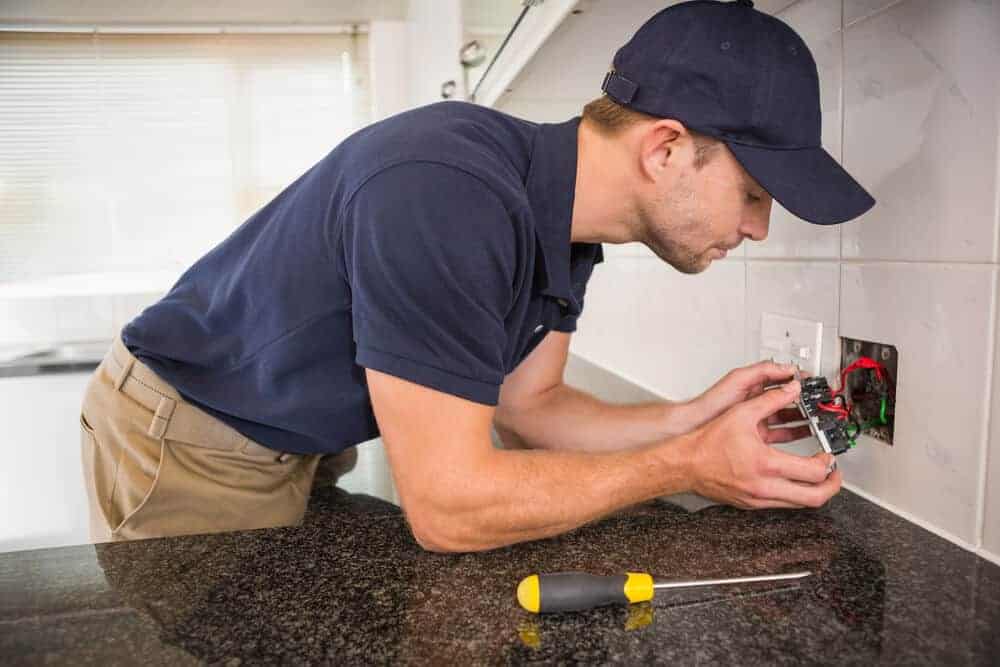
Regular maintenance of your electrical systems and appliances is essential to ensure optimal performance and energy efficiency. Dirty filters, clogged air vents, and faulty wiring can all contribute to increased energy consumption. Schedule regular inspections and cleanings for your HVAC system, including air conditioning units and furnace filters. Clean the coils of your refrigerator and ensure proper airflow around appliances to prevent them from working harder than necessary. Additionally, have a professional electrician inspect your electrical wiring, outlets, and switches to identify any issues causing energy waste.
Lowering your electricity bill is not only beneficial for your finances but more so for the environment. By implementing these top strategies, you can actively contribute to energy conservation and promote sustainability. By adopting an energy-conscious mindset and making intelligent choices, you can enjoy the benefits of a lower electricity bill while playing your part in building a more sustainable future.