
Maintaining a property comes with many responsibilities that go beyond simple appearances. Keeping insects away from the living spaces protects the structure and the health of everyone inside. Taking a proactive approach saves $100s in repair bills over time.

Most owners do not think about bugs until they see one scurrying across the floor. By then, a small problem might already be a large colony hidden behind the walls. Understanding how these creatures operate is the first step toward keeping them out for good.
Finding The Source Of Common Insects
Identifying where bugs are coming from helps stop a small issue before it grows. When property owners find mysterious damage, many rely on Prompt Action Pest Control to evaluate their space and look for early signs of activity. Hiring an expert can provide a clear plan for keeping the building secure.
Ignoring these tiny warning signs often leads to bigger repairs later. Insects can cause damage to wood, wiring, and insulation if they are left alone for too long. Regular checks of the foundation can reveal where the smallest visitors are getting through.
Closing Entry Points Around The Property
Stopping bugs starts with making the building harder to enter from the outside world. Tiny gaps under doors or around pipes serve as highways for ants and spiders looking for food. These paths are often invisible to the casual observer.
A guide from the Environmental Protection Agency explains that sealing up these entryways can significantly lower the chances of finding bugs inside the home. Weather stripping and door sweeps are cheap tools that make a massive difference.
Check the areas where utilities enter the house. Small holes around cable lines or water pipes often need a bit of caulk to stay closed. Using durable materials like silicone can keep these areas sealed for several seasons.
Setting Up A Routine Inspection Schedule
Consistency is key when trying to manage a large property or a single-family home. It is easy to forget about the attic or the crawlspace when everything looks fine on the surface. These hidden spots are exactly where many pests prefer to hide.
Experts at My Green Montgomery suggest checking the entire property every 3 months to spot early signs of an infestation. Seasonal changes often bring new types of insects into the area. A quick walk around the perimeter 4 times a year keeps the owner ahead of the curve.
Simple Maintenance Tasks To Deter Pests
Keeping the interior of a building clean does more than just make it look nice. It removes the food and water sources that attract unwanted guests in the first place. A clean kitchen is much less inviting to a hungry colony.
The New Jersey Department of Health notes that successful control often comes down to paying more attention to basic cleaning and blocking access points. Small spills in the kitchen or crumbs under the stove provide enough food for many insects to survive.
Check for leaky faucets or damp spots in the basement. Insects need moisture to live, so fixing a small drip can remove their reason for staying. Even a tiny amount of standing water can support a large population of pests over time.
Best Areas To Check For Activity
Some parts of a home are much more likely to host insects than others. These dark and quiet spots provide the perfect environment for a colony to grow without being seen. Homeowners should make a list of these spots to check regularly.
Property owners should look at these common locations:
- Behind large kitchen appliances like the fridge and dishwasher.
- Near the water heater, where heat and moisture collect.
- In the corners of the garage or storage sheds.
- Around the base of outdoor trash cans.
- Under sinks, where plumbing might have small leaks.
Regularly visiting these spots helps identify a problem in its earliest stages. It is much easier to treat a small corner than a whole house. Small flashlights can help reveal hidden nests in dark crevices.
Common Signs Of An Active Colony
Seeing a single bug does not always mean there is a full infestation. Certain physical markers indicate that a larger group is living nearby. Knowing these signs allows for a faster response. Look for small piles of what looks like sawdust near wooden beams or trim.
Droppings or egg casings in the back of cabinets are another clear indicator. These signs show that insects are comfortable enough to nest and reproduce in the space. Cleaning these areas frequently makes it easier to spot new activity.
Strange smells can point toward a problem, too. Some species release odors that become noticeable when their numbers reach a certain level. If a room starts to smell musty without a clear cause, it might be time to look closer.
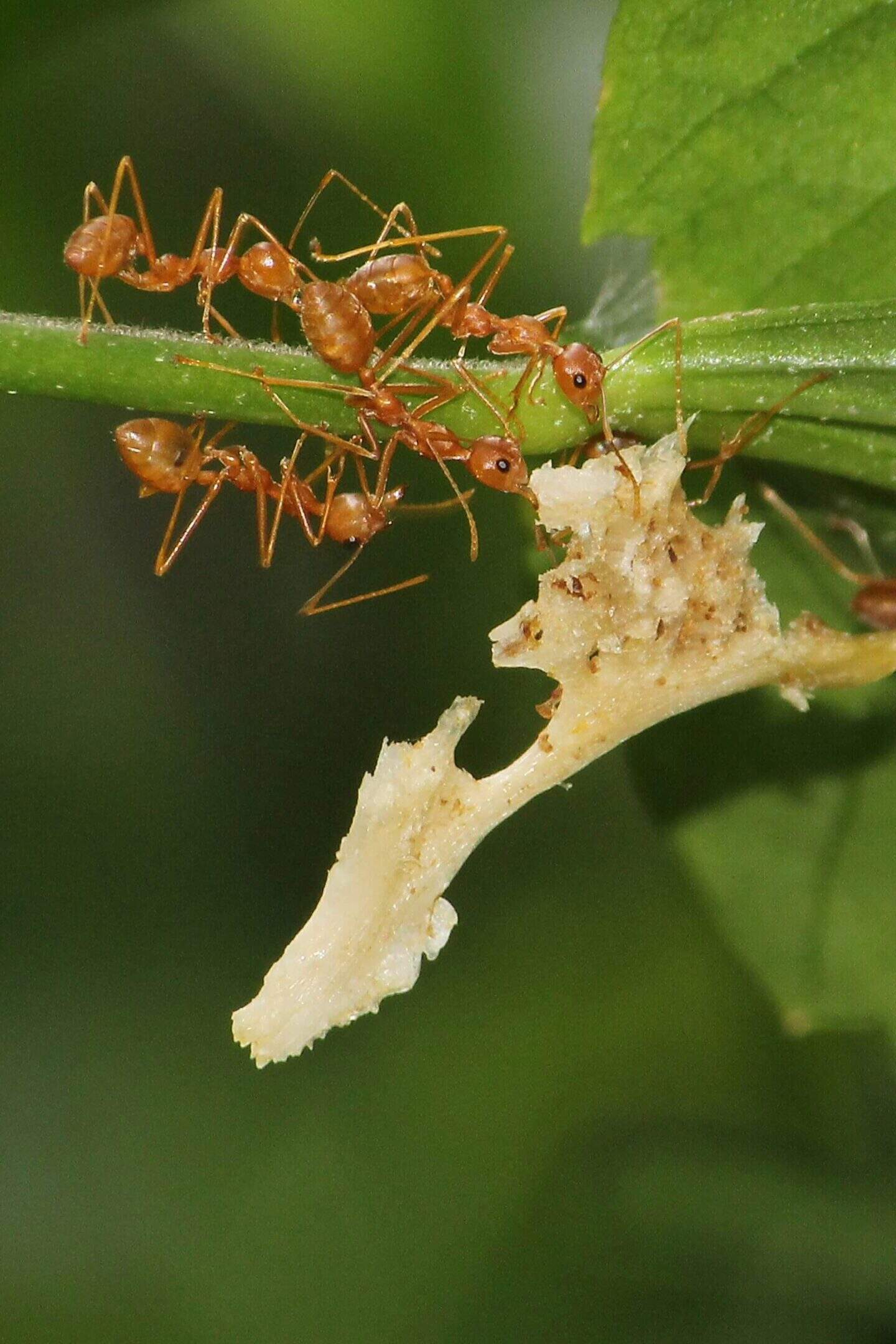
Managing Property Safety
Keeping a building safe requires a commitment to ongoing care. It is not a one-time task that owners can finish and forget about for years. Developing a maintenance mindset is the best way to protect the investment.
Check the landscaping to make sure bushes and trees do not touch the siding. Branches act like bridges that lead straight to the roof or upper windows. Keeping a 12-inch gap between plants and the house is a good rule of thumb.
Clear out gutters so water does not pool near the roofline. Standing water attracts mosquitoes and other flying insects that can eventually find their way inside. Investing a small amount of time into these chores every month keeps the property value high and the insect count low.
The task might seem large at first, but breaking it down into small steps makes it manageable. Staying alert to changes in the building helps catch issues before they spiral. A little bit of work today makes sure the property remains a clean and safe space for many years.
Consistent effort is the most effective tool for any owner. Taking the time to understand these habits creates a much more pleasant living experience for everyone involved. Regular maintenance is the key to a bug-free future.