
Solar power tech is quickly dominating the alternative energy market, with more and more UK homeowners buying into solar power setups. With average savings of around £500 per year on energy bills, it is easy to see why.
You’ve likely heard about solar power before but may not have explored your options yet as a homeowner. This is an excellent article if you are curious and know next to nothing about solar power, how it works, or its benefits.

Today we’ll cover everything you need to know about solar power tech so that you can make an informed decision about whether it is right for your lifestyle.
Let’s begin with the following;
Frequently Used Terms
Much of the information readily available will use jargon related to solar tech with little explanation of what the words mean. Before we delve into different solar setups, we need to define a few phrases;
- Photovoltaic Cell. A photovoltaic cell (which can also be known as a solar cell) is a device that can be used to turn sunlight into DC electricity.
- Solar Panel. A solar panel combines photovoltaic cells joined in series to produce a panel for generating electricity.
- Solar Array. A collection of solar panels joined in sequence to generate electricity.
- DC electricity. The kind of electricity that can be generated using sunlight.
- AC electricity. The kind of electricity used in homes and buildings.
- National Grid. This is the grid of cables, wires, and power lines that carry electricity from power plants to homes and buildings across the nation. Every building will likely have a connection.
How Does Solar Power Tech Work?
Solar power is a phenomenon. Without getting too far into the scientific reasons behind why photovoltaic energy generation works, photovoltaic cells can capture the sun’s light and generate electricity from it.
Photovoltaic cells can capture natural light and all its wavelengths – from red light to blue and violet light wavelengths. Some wavelengths are better for electricity generation than others, so solar panels are less effective with cloud cover.
During periods of cloud cover, only short wavelengths of light can penetrate the clouds, such as ultraviolet light and blue light (generally speaking).
After capturing the sunlight, the photovoltaic cells generate DC electricity. This electricity is usually stored in batteries designed to hold DC electricity for future use.
What Is The Difference Between AC and DC electricity?
Again, without going into too much detail, DC electricity (also known as direct current electricity) is the only kind that can be captured using the photovoltaic effect. This electricity isn’t suitable for everyday use.
AC electricity (alternating current electricity) is needed in almost every daily use of electricity, and it is much better for all our electrical devices to use.
When DC electricity is captured by solar cells, it can be converted to AC electricity for use in the household or stored as DC electricity for sale back to the national grid (or for later use).
What Are My Options For Solar Tech?
For homeowners, there are two common ways you can invest in solar tech:
- Investing in solar panels
- Investing in solar tiles
Both will generate electricity for your home, but what you choose to invest in will depend on your situation.
Solar panels are the traditional and original kind of solar power that homeowners have used for decades. These are the panels that bolt onto the top of your roof.
Solar tiles are a newer piece of solar tech that replaces the current tiles on your roof with tiles that function as both a solar power generator and an ordinary roof tile.
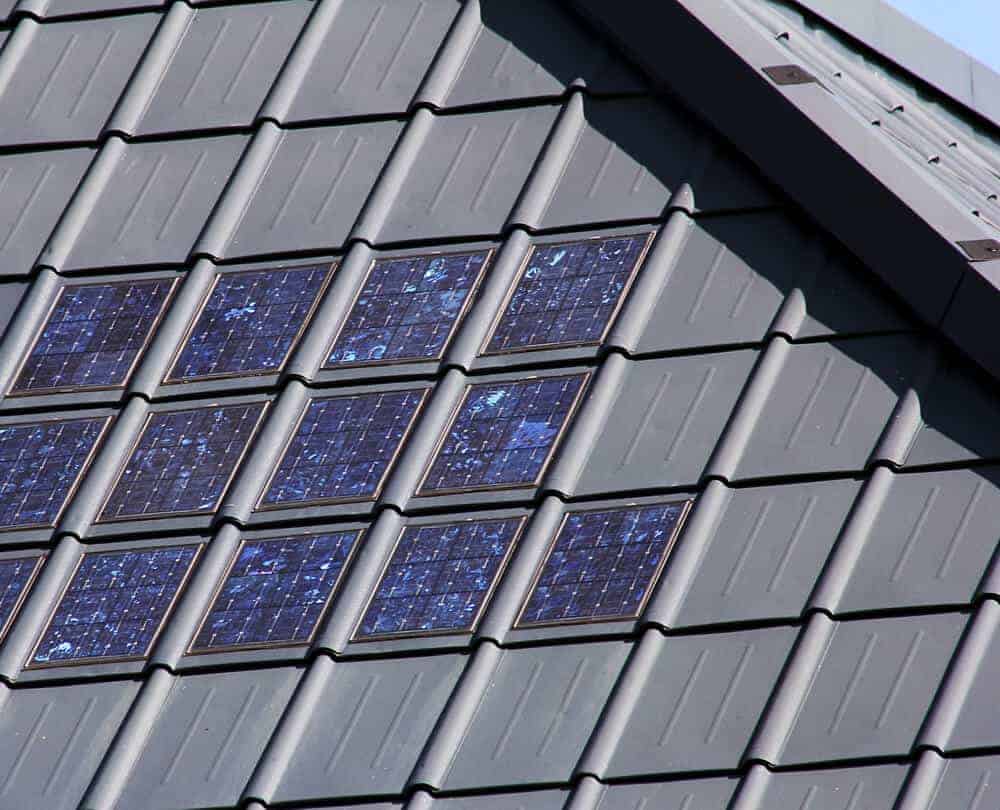
Solar Panels VS Solar Tiles: What’s Better?
For solar panels they:
- Are cheaper to buy
- Easier to install
- Removable (meaning you can take them with you if you move home)
The solar tiles, on the other hand, are:
- More expensive to buy but more efficient
- Don’t need regular maintenance
- Cannot be removed after installation
How Can I Earn Money With Solar Power Tech?
While solar power tech can save you money on energy bills throughout the year, it can also earn you money.
If you live in a particularly sunny area or have days where your panels can absorb a lot of sunlight, you may end up with more electricity than your home needs. If this happens, you can store the energy for later or sell it to the national grid.
Solar power can make you money if you can sell more than you spend when interacting with the national grid. This is how solar farms work.
To Conclude
Solar power is a popular choice for many homes, and if you can install solar tech – you should!
What will you go for? Tiles or panels?