
A home’s wiring is the lifeline that powers everything you depend on daily. From lighting to appliances to smart home systems, safe and efficient electrical wiring ensures your home functions smoothly.
Many homeowners underestimate the importance of proper wiring until issues arise, but mistakes can lead to costly repairs or dangerous hazards.
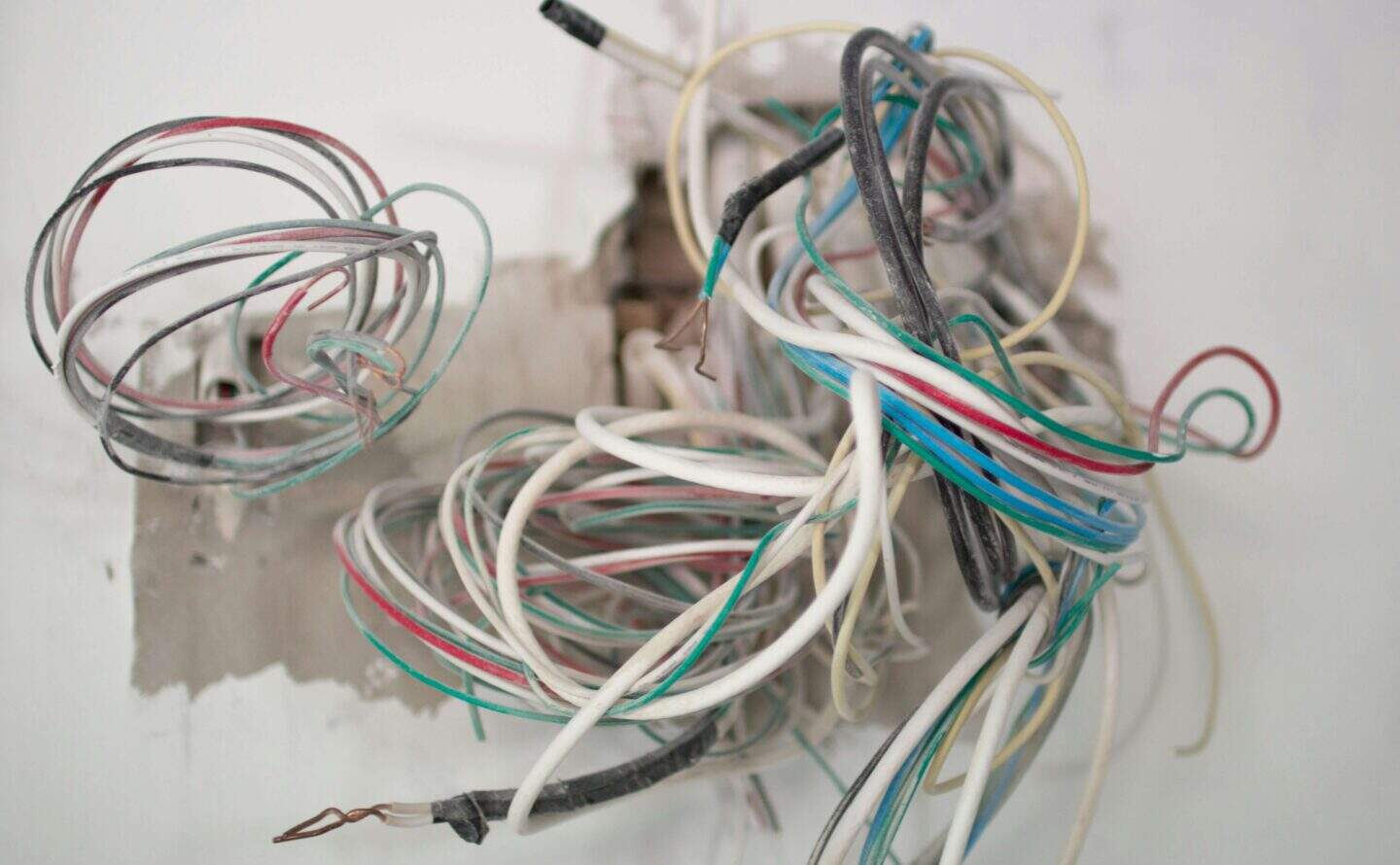
Understanding the basics can help you plan upgrades, work with electricians more effectively, and avoid common pitfalls. While the job itself is best left to licensed professionals, being informed about wiring essentials gives you confidence in keeping your home safe, modern, and efficient.
Understand Your Home’s Electrical Load
Every household has unique electrical demands, and knowing your load capacity is the foundation of safe electrical wiring. An overloaded system can trip breakers constantly or, worse, cause overheating and fire risks.
Modern homes require more power than older ones, thanks to smart devices, high-wattage appliances, and HVAC systems. A professional load calculation ensures your system can handle these needs without stress.
If you’re renovating or adding major appliances, it’s wise to evaluate whether your service panel should be upgraded. Understanding your load helps prevent interruptions, protects your investment, and ensures the flow of power matches your lifestyle seamlessly.
Choose the Right Wiring Materials
Not all wires are created equal, and selecting the proper materials is critical. Copper wiring is the most common choice due to its durability and conductivity, while aluminum is cheaper but more prone to issues over time.
Insulation types also matter, as certain wires are designed for indoor use while others resist moisture or heat. Using subpar or mismatched materials can shorten the lifespan of your system and increase risks.
When building or upgrading, always confirm that the wiring meets code requirements and is suited for the conditions where it’s installed. Investing in high-quality wires today saves you from future repairs and hazards.
Label and Organize Wiring Clearly
A tangled mess of wires makes troubleshooting nearly impossible. Clear labeling and proper organization ensure efficiency and safety, especially when modifications are needed later.
Electricians use standardized color codes, but homeowners can add extra clarity by labeling circuits within the breaker panel. Organized wiring also reduces the chance of accidental cross-connections or confusion during emergencies. For instance, knowing exactly which breaker controls the kitchen outlets can save valuable time when something goes wrong.
This step doesn’t add much cost but delivers long-term convenience. A well-organized electrical system reflects thoughtful planning and makes maintenance simpler for everyone who works on it.
Prioritize Grounding for Safety
Grounding is one of the most critical aspects of any wiring system, yet it’s often overlooked by homeowners. Without proper grounding, electrical faults can create shock hazards or even fires.
Grounding provides a safe path for excess electricity to discharge into the earth rather than passing through you or your appliances. Modern electrical codes require grounding for all major installations, but older homes may lack this essential safeguard.
Upgrading grounding systems can significantly enhance safety. Beyond code compliance, grounding also protects sensitive electronics from power surges. Making grounding a priority ensures peace of mind, knowing your home is equipped to handle unexpected electrical faults safely.
Install Adequate Outlets
Too few outlets are a common problem in many houses, especially older ones built before modern power needs. Relying on extension cords or power strips is very unsafe. Overloaded outlets can overheat and create fire risks.
A well-wired home includes sufficient outlets in every room, particularly where multiple devices are used, such as living rooms, kitchens, and home offices. Outlets should also be placed thoughtfully, minimizing the need for cords stretched across the floor.
Upgrading to modern outlets with USB ports or smart features adds functionality. Adequate outlets not only improve safety but also make your living space far more convenient and adaptable.
Use GFCI and AFCI Protection
Two essential technologies, Ground Fault Circuit Interrupters (GFCIs) and Arc Fault Circuit Interrupters (AFCIs), greatly reduce risks in modern homes.
GFCIs protect against shocks in moisture-prone areas like bathrooms, kitchens, and outdoors, shutting off power instantly when an imbalance is detected. AFCIs, on the other hand, guard against electrical fires by detecting dangerous arcs in wiring.
These devices are now code requirements for many parts of the home, but older properties may lack them. Upgrading outlets and breaker panels with GFCI and AFCI protection is an investment in your family’s safety.
These protections are small upgrades that deliver powerful safeguards against the most common electrical hazards.
Avoid DIY Shortcuts
While it may be tempting to tackle wiring projects on your own, electrical systems demand expertise. One small mistake, like connecting wires improperly or skipping a grounding connection, can create hidden hazards.
Unlike painting or carpentry, wiring errors may not be visible until it’s too late. Licensed electricians have the training to follow codes, anticipate potential problems, and ensure safety.
Homeowners can certainly learn the basics and stay informed, but attempting full rewiring or complicated installations without proper knowledge is risky.
Shortcuts may save money upfront, but often lead to larger expenses or dangers down the road. When in doubt, hire a professional.
Upgrade the Electrical Panel When Needed
The electrical panel is the heart of your system, and older panels may not keep up with today’s demands. If your home still runs on a 60-amp panel or has outdated fuses, it’s time for an upgrade.
A modern panel not only accommodates higher loads but also integrates safety features like AFCI breakers. Upgrading ensures you have capacity for new appliances, electric vehicle chargers, or home additions.
Warning signs include flickering lights, frequent breaker trips, or humming sounds from the panel. A safe, updated panel gives your home the resilience it needs to handle modern technology without strain or risk.
Ensure Proper Lighting Circuit Design
Lighting plays a bigger role in wiring design than many homeowners realize. A poorly planned lighting circuit can lead to uneven brightness, excessive energy use, or constant tripping of breakers.
Each room should have circuits designed specifically for its size and function. Kitchens and work areas benefit from layered lighting with dedicated circuits, while bedrooms may only require simpler setups.
Dimmers, motion sensors, and smart switches add flexibility but must be integrated correctly to avoid overloads. A well-designed lighting circuit not only improves energy efficiency but also enhances comfort and safety by ensuring every space is illuminated as intended. Proper planning here makes daily living smoother and more enjoyable.
Plan for Future Needs
Your electrical wiring should not just meet today’s needs but also anticipate tomorrow’s. Whether you’re planning to add solar panels, a home office, or electric vehicle charging, your system should have room to grow.
Planning ahead avoids costly rewiring later. Discussing future goals with your electrician ensures the panel has extra capacity, circuits are allocated strategically, and outlets are placed where you’ll need them. With smart home technology advancing quickly, future-proofing wiring is more important than ever. A forward-looking electrical plan keeps your home adaptable, efficient, and ready for evolving lifestyles, sparing you from disruptive upgrades down the road.
Regular Inspections and Maintenance
Even the best wiring system needs routine checkups. Over time, connections loosen, insulation deteriorates, and circuits may become overloaded as new devices are added. Scheduling periodic electrical inspections ensures problems are caught early, before they escalate into hazards.
Professionals can test circuits, evaluate panel performance, and verify compliance with current codes. Homeowners should also stay alert for warning signs like burning smells, warm outlets, or flickering lights.
Maintenance not only helps you avoid emergencies, it can even extend the lifespan of your system and keep energy flowing smoothly. Regular inspections provide reassurance that your wiring remains safe, reliable, and up to modern standards.
Final Thoughts
Electrical wiring isn’t something most homeowners think about daily, but it underpins every comfort and convenience in your home. Safe, efficient wiring requires a mix of high-quality materials, thoughtful planning, and ongoing care.
From installing enough outlets to ensuring proper grounding and panel upgrades, each step strengthens both safety and functionality.
While professional expertise is non-negotiable for major projects, understanding the essentials allows you to make informed decisions and protect your investment.
By combining knowledge with proactive maintenance, you create a home environment that’s reliably powered for years to come.