
As the protective barrier between your home and the elements, your roof takes on substantial wear and tear throughout the years. Without regular inspections and maintenance, small problems can escalate into costly repairs or even complete roof replacements.
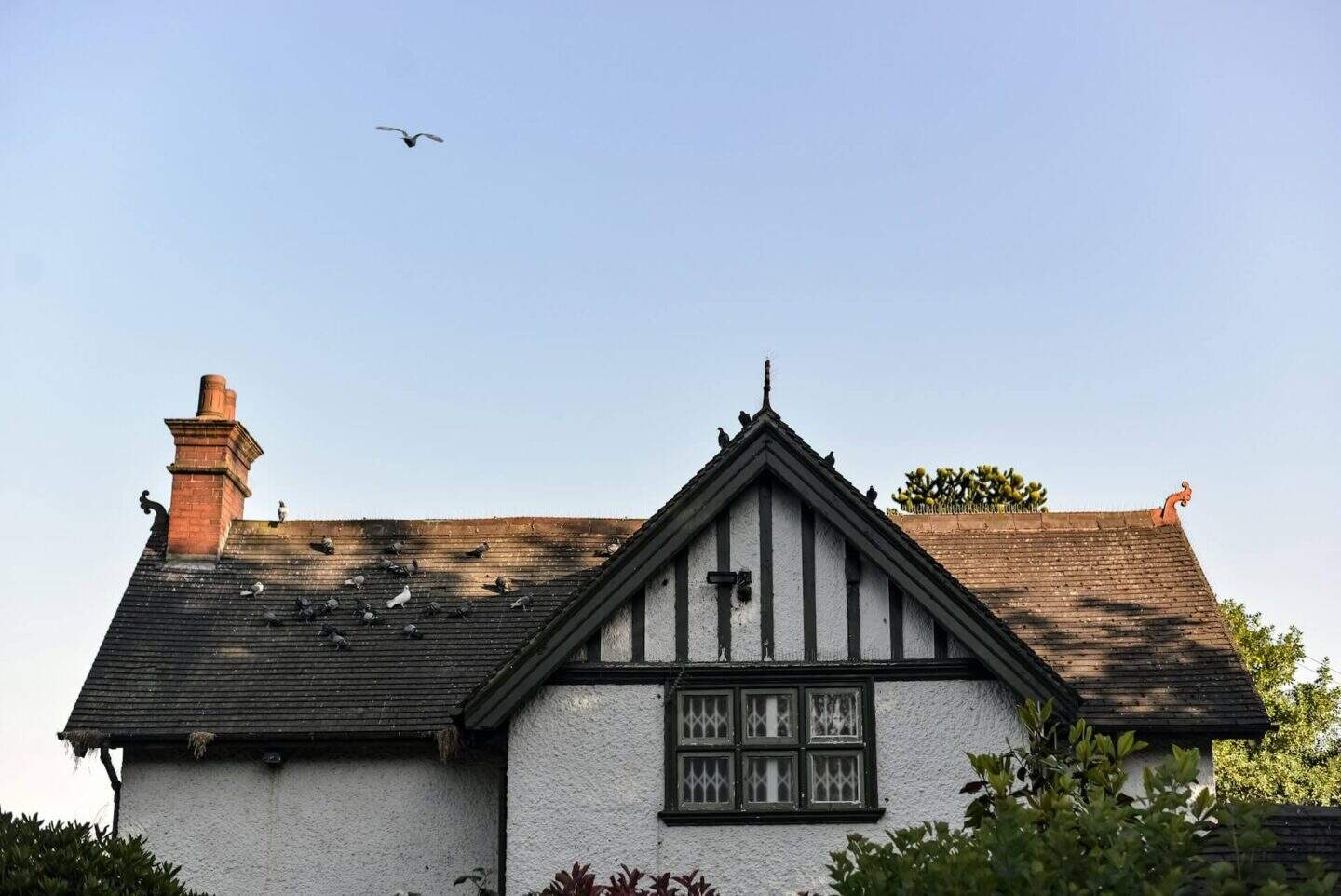
Before severe weather conditions can worsen existing issues, recognizing the common signs of roof damage is a must for homeowners. The following guide will highlight critical signs of roof damage you shouldn’t overlook so that your home remains safe, dry, and structurally sound.
Visible Roof Wear and Tear
Damage may manifest in various forms, and one of the most evident signs is visible wear and tear. Look for curled, buckled, or missing shingles. These issues can expose your roof to further damage, allowing rain, wind, and critters to infiltrate your home.
Cracked shingles can indicate significant age or storm damage. Signs of wear may put your roof at risk and lead to leaks or even structural failure. Homeowners should be proactive and check their roofs regularly for signs of distress. If the roof has experienced harsh weather, an initial inspection might encourage more detailed evaluations.
Water Stains Indoors
Water stains can surface in ceilings, walls, and around windows. These marks signal underlying issues with your roof, including leaks. Persistent leaks can result in mold growth, compromise your insulation, and lead to skyrocketing energy bills. Investigating the source of these stains can prevent considerable repair costs. If you notice constantly damp spots or the ceilings peeling, take advantage of leak detection & repair services in your area. These specialists employ advanced techniques like infrared imaging to identify moisture in the roof’s structure. Homeowners must appreciate that stains may appear long before significant damage becomes apparent. Identify and address stains to preserve the integrity of your home.
Increased Energy Bills
Another sign that your roof may be underperforming is an unusual spike in energy bills. A compromised roof can allow conditioned air to escape and make your HVAC system work harder to maintain desired indoor temperatures. This inefficiency leads to a noticeable uptick in energy expenses. Homeowners should monitor their bills closely, considering any increase in cost as a signal to investigate their roof’s condition.
A thorough roof inspection can reveal poor insulation or damage that contributes to air leakage. Addressing these concerns sooner rather than later saves money and improves your home’s comfort and air quality. Regular maintenance practices will help your roof operate efficiently year-round.
Damaged Flashing and Gutters
Roof flashing plays a role in waterproofing joints and transitions between the roof and structures like chimneys or vent pipes. If this flashing is damaged or missing, rainwater can seep underneath. Homeowners should check their gutters regularly, too. Clogged or broken gutters can lead to water pooling on the roof and increase the likelihood of leaks and structural failure. Inspect gutters and check if they function to direct water inexpensively away from the roof. If you notice rust, peeling paint, or gaps around the flashing, these signs warrant immediate attention.
Regular maintenance prolongs the life of your roof and minimizes repair costs. Work with professional roofing contractors who can effectively evaluate and repair the conditions that result in damage so that this integral aspect of the roofing system remains uncompromised.
Daylight through Roof Boards
An alarming indication of roof damage is the presence of daylight visible through the roof boards in your attic. This condition suggests significant gaps and holes that may not be instantly noticeable from the outside. If sunlight filters inside, it means your roof structure is compromised, exposing your home to various elements.
Regarded as a red flag for potential leaks, experiencing rain can exacerbate this problem. This scenario pushes homeowners to inspect their attics regularly for any signs of light or even additional water intrusion. Early identification can prevent a minor issue from snowballing into a major problem. Seeking professional help for repairs at this stage can avoid substantial costs associated with extensive roof damage.
Unstable or Sagging Roofs
A sagging roof can stem from excessive wear, a lack of support, or water damage. When you notice uneven spots on the roof or a dip in the ceiling inside your home, do not delay seeking professional assistance. Sagging roofs are symptomatic of larger problems like the aging of materials or inappropriate drainage. A sagging roof may simply indicate an insufficient load-bearing capacity, which requires immediate attention.
The implications of ignoring this issue can cause catastrophic outcomes, including complete roof failure. Qualified professionals can assess the situation, plan repairs, and extend the lifespan of your structure. Homeowners can act swiftly, safeguarding their homes from costly long-term effects.

Homeowners can enjoy a healthy, reliable roofing system that shields them from unpredictable conditions and events. Patience and diligence in recognizing signs of damage can save homeowners countless dollars in repairs. Understanding when to enlist professionals will guarantee long-term structural integrity and comfort within your home.