
If you have recently been affected by a storm, one of the most important things to do is check your roof for damage. Unfortunately, many people only realize the importance of this once it’s too late. This blog post discusses the steps you need to take to check and repair your roof after a storm.

Get the help of experienced roofers in your area
Homeowners should always seek the help of experienced roofers to inspect their roofs for damage. Professional roofers have the necessary knowledge and experience to identify any signs of trouble. They can also advise you on how best to address the issue and what steps you should take next. Research online to find roofers servicing your area. The reputable roofers behind thepittsburghroofer.com/roofing/ in Pennsylvania recommend that you get in touch for a free inspection. Often, a reputable roofer can spot damage that you may have missed.
When choosing a roofer to work with, ensure they are certified, licensed, bonded, and insured. Check what types of commercial roofing they specialize in, as well as their years of experience. Ask the roofer for references that you can check out before making a decision. Their certification and licenses should be up-to-date, and they should be able to provide proof of insurance. When something untoward happens, you want to make sure they can cover the cost of any repairs. Their references should also let you know if they do a good job. Alternatively, you can also ask your network for a recommendation. Your friends and family may be able to share their experiences of working with a roofer. For business owners, the stakes are often higher due to the scale of the property and the specialized materials involved. It is crucial to partner with a firm that understands the complexities of large-scale systems, such as Conklin or TPO membranes. Engaging in professional contract roofing services ensures that your facility remains leak-free and energy-efficient over the long term. These experts can provide comprehensive warranties and restoration options that extend the life of your existing structure without the need for a full replacement. This proactive approach not only protects your assets but also helps manage operational costs through improved insulation and reflectivity.
Conduct your own inspection
You must also conduct your own inspection of the roof. Start by looking at the roofing materials on the exterior of your house and the entire surface area of the roof to identify any signs of damage. Look for any signs of wear, such as missing shingles, broken tiles, loose flashing, visible holes, or exposed nails. If you have a flat roof, take note of worn or chipped areas around the edges. You may need to call in a professional roofer if there is significant damage.
Next, climb onto the roof and inspect it from the top. Pay particular attention to areas of weakness, such as holes in the flashing or signs of leaking around chimneys and vents. Even if there is no visible damage to your roof, you should still check for any underlying weaknesses or issues with the structure. Check for water stains on the walls and ceilings inside your home, as these could indicate problems with your roof. Look out for signs such as rotting wood and mold. Again, if there is significant damage, it’s best to get the help of a professional roofer. If you spot something that looks wrong, take pictures of the area and share these with your roofer. This will help them in their assessment, and it will also be helpful if you need to make an insurance claim.
Deal with any damage
If you have identified any damage, start addressing this as soon as possible. In some cases, you may be able to fix minor roof damage yourself. However, if the damage is more extensive, it’s best to leave this to professionals. You don’t want to risk your safety and make matters worse by trying to fix things on your own. Remember that some roof repairs can be expensive, so it pays to have them fixed as soon as possible before further damage occurs. For instance, a minor leak could become a significant problem if left unchecked. Similarly, the cost of replacing a few shingles will be less than having to replace the entire roof.
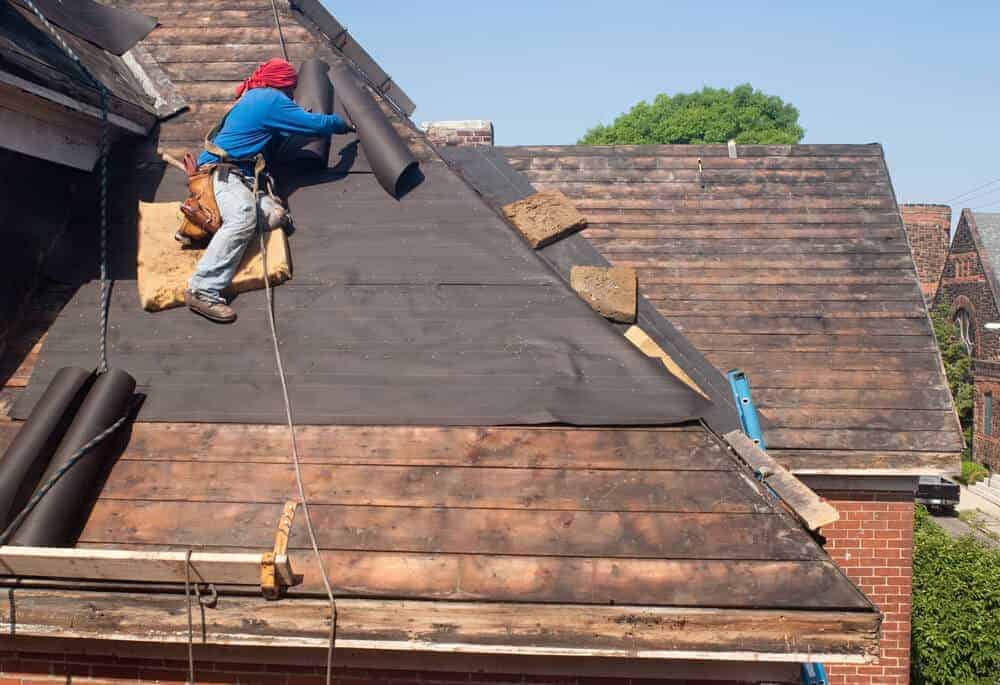
Secure your roof with new materials where necessary
Finally, once all the underlying problems have been addressed, you should consider replacing any damaged or weak roofing materials. You may need to replace worn shingles, tiles, or flashing with new materials. A professional roofer can advise you on the best action and help you source the necessary supplies. For instance, shingles come in various materials, so you must decide which type is best for your roof. Once the new materials are in place, inspect your roof regularly for any signs of further damage or deterioration. Ideally, you should check your roof twice a year — once in the spring and once in autumn. This preventive approach will help ensure your roof stays in good condition and lasts longer.
Once these steps have been completed, your roof should be back in good condition and more resilient against extreme weather conditions. Make sure you keep an eye on your roof throughout the year to spot any further signs of damage or weakness. Being proactive and vigilant can save you a lot of time, money, and stress in the future. Good luck!