
Addiction affects women across every age group, income level, and community in the United States. While public conversations often focus on statistics, the reality is far more personal. Women frequently balance careers, parenting responsibilities, caregiving roles, relationships, and financial pressures while trying to manage their own health. When substance use becomes a concern, many women delay seeking help because they fear judgment, worry about their children, or believe they should be able to handle everything on their own.
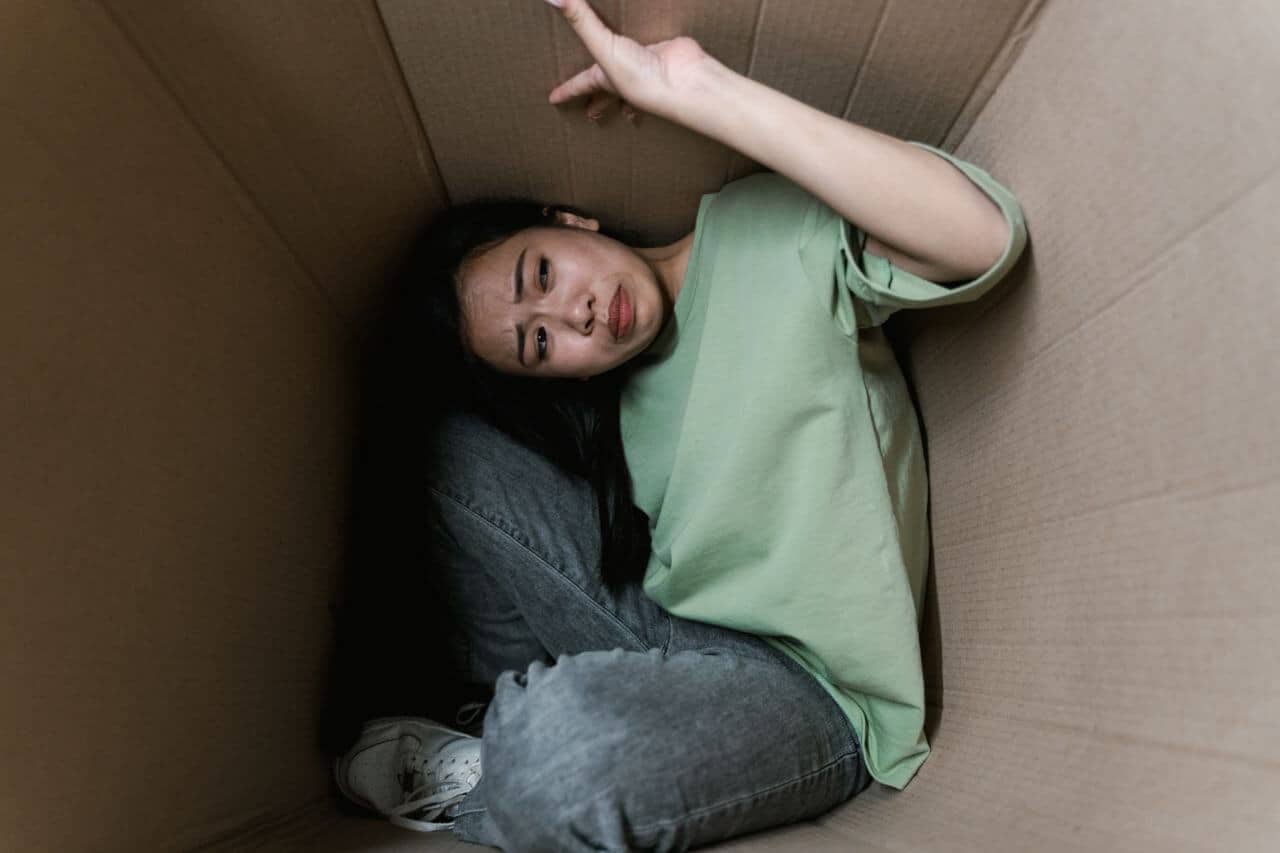
Photo by MART PRODUCTION from Pexels
The landscape of addiction among women has changed significantly over the past two decades. Prescription medications, alcohol, opioids, and other substances continue to affect women in unique ways. At the same time, treatment providers have become more aware of the need for gender-specific care that addresses the realities women face during recovery. Understanding these challenges is an important step toward creating better outcomes and helping more women access support when they need it.
Why Women Experience Addiction Differently
Women often develop substance-related health complications more quickly than men, even when using smaller amounts. Hormonal changes, body composition, and metabolism can influence how substances affect the body. Emotional and social factors also play a major role.
Many women report turning to alcohol or drugs during periods of overwhelming stress, grief, trauma, anxiety, or major life transitions. Caring for children, managing households, supporting aging parents, and maintaining employment can create a level of pressure that feels impossible to escape. Over time, what begins as a coping mechanism can become difficult to control.
For many women, entering rehab for women offers an environment where these experiences are understood rather than dismissed. Gender-specific programs often address issues such as family responsibilities, relationship dynamics, self-esteem, trauma, and long-term emotional wellness alongside substance use treatment.
The Hidden Barriers to Seeking Help
One of the greatest challenges women face is the reluctance to ask for help. Mothers may fear losing custody of their children. Professionals may worry about their careers. Others fear disappointing family members or being viewed differently by friends and loved ones.
These concerns can keep women from seeking treatment until a crisis occurs. Unfortunately, waiting often allows physical and emotional health problems to worsen. Recovery becomes more difficult when women carry the additional burden of shame and isolation.
Communities across the country have worked to reduce stigma, but many women still feel pressure to maintain the appearance that everything is under control. Recognizing that treatment is a healthcare decision, not a personal failure, can help remove some of that burden.
Women who seek support early often have more options available to them, including outpatient counseling, intensive treatment programs, support groups, and medical care tailored to their individual circumstances.
Mental Health and Recovery Often Go Hand in Hand
Mental health and addiction frequently overlap. Anxiety, depression, trauma-related conditions, and chronic stress can influence substance use patterns. Likewise, substance use can worsen existing mental health concerns.
Effective treatment recognizes that recovery involves more than simply stopping the use of a substance. Women benefit from learning healthier coping strategies, developing emotional resilience, and building support systems that continue after treatment ends.
Therapy, peer support, family counseling, and wellness programs can all contribute to long-term success. Recovery is rarely a straight line, but women who receive comprehensive care are often better equipped to manage challenges as they arise.
Addressing mental health concerns alongside substance use allows women to focus on lasting healing rather than temporary symptom management.
Understanding the Many Types of Addiction
Addiction is not limited to one substance or behavior. Understanding the various challenges women may face can help families and communities respond more effectively. Today, treatment professionals recognize many types of addiction, including alcohol dependence, opioid use disorder, prescription medication misuse, stimulant use disorders, and behavioral addictions involving gambling or other compulsive activities.
Each situation requires a different approach. What works for one woman may not work for another. Age, health history, family circumstances, and personal goals all influence the recovery process.
Modern treatment programs increasingly emphasize individualized care plans rather than one-size-fits-all solutions. This approach acknowledges that every woman’s experience is unique and deserving of personalized support.
Recovery also extends beyond treatment itself. Stable housing, healthy relationships, meaningful work, and ongoing emotional support all contribute to long-term wellness.
Building a Stronger Future for Women in Recovery
The conversation around addiction continues to evolve. More healthcare providers, employers, and community organizations recognize that women need treatment options that reflect the realities of their lives. Expanded access to childcare support, mental health services, telehealth programs, and gender-specific treatment has helped more women take the first step toward recovery.
While challenges remain, there is reason for optimism. Women across the country are finding support, rebuilding relationships, improving their health, and creating meaningful lives in recovery. Seeking help is not a sign of weakness. It is often the beginning of a stronger and healthier future.
Women face unique challenges when it comes to addiction, but they also have access to more specialized support than ever before. With the right treatment, resources, and encouragement, recovery remains an achievable goal for women at every stage of life.