
A foot ulcer can go from a minor sore to a serious infection in a matter of days if it’s not managed correctly. For people with diabetes, slow healing and reduced sensation in the feet make these wounds especially dangerous, and roughly 15% of people with diabetes will develop one at some point. Catching problems early and following the right care routine can mean the difference between a healed wound and a hospital stay.
Keep the Wound Clean and Properly Dressed
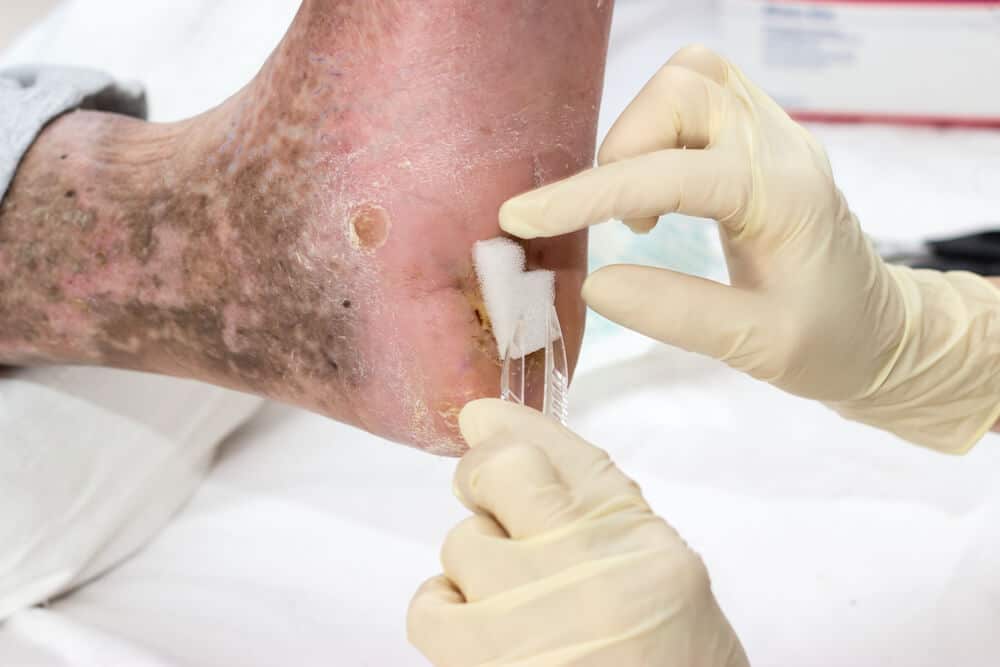
Cleaning the ulcer daily with saline or a wound cleanser recommended by a healthcare provider removes bacteria and dead tissue that slow healing. Avoid harsh antiseptics like hydrogen peroxide or iodine, since these can damage healthy tissue along with the bad. After cleaning, apply the dressing type your provider recommends, whether that’s a foam dressing, an alginate, or a hydrocolloid, based on how much drainage the wound produces. Changing dressings on schedule, not just when they look dirty, keeps the wound environment consistent and reduces infection risk.
Take Pressure Off the Affected Foot
Ulcers on the bottom of the foot often form or worsen because of repeated pressure from standing and walking. Offloading, which means redistributing weight away from the wound, is one of the most important parts of diabetic foot ulcer treatment and often gets overlooked in favor of just focusing on dressings. Options include total contact casts, removable walking boots, or custom shoe inserts designed to shift pressure to other parts of the foot. Skipping this step is one of the main reasons ulcers fail to heal even with good wound care otherwise.
Watch for Signs of Infection
Redness that spreads beyond the wound edges, increased warmth, swelling, or a foul odor all point to infection. Pus or drainage that changes color from clear to yellow or green is another red flag. Because neuropathy can mask pain, a foot ulcer might become seriously infected without producing much discomfort, so relying on pain as a warning sign isn’t reliable. A sudden fever or chills alongside a wound that isn’t improving warrants same-day medical attention, not a wait-and-see approach.
Control Blood Sugar Levels
High blood glucose interferes with the body’s ability to fight bacteria and repair tissue, which directly slows wound healing. Studies have shown that keeping A1C levels below 7% is associated with meaningfully faster ulcer closure compared to poorly controlled diabetes. This means blood sugar management isn’t separate from foot care, it’s part of it. Working with a doctor to adjust medication, diet, or insulin during the healing period can speed recovery in ways that topical treatment alone can’t achieve.
Inspect Your Feet Every Day
Neuropathy means many people don’t feel new sores, cuts, or blisters forming, so a daily visual check becomes the main line of defense. Look at the tops, bottoms, and sides of both feet, including between the toes, using a mirror if bending down is difficult. Catching a small blister or callus before it breaks down into an ulcer is far easier to treat than addressing an open wound. Set a consistent time for this, such as right after showering, so it becomes routine rather than something easily forgotten.
Choose the Right Footwear
Shoes that are too tight, too loose, or have seams that rub against the foot are common culprits behind new ulcers and reinjury of healing ones. Diabetic shoes, which have a wider toe box and no interior seams, reduce friction points that cause skin breakdown. Never go barefoot, even indoors, since stepping on something small like a pebble or pin can create a wound that goes unnoticed for days. Check the inside of shoes before putting them on, since debris or a bunched-up sock can cause injury without immediate sensation.
Get Professional Wound Care Early
Home care matters, but diabetic foot ulcers respond better to treatment when a podiatrist or wound care specialist is involved from the start rather than after weeks of home remedies. Specialists can debride dead tissue properly, assess blood flow to the area, and catch signs of bone infection that aren’t visible on the surface. Advanced options like growth factor therapy or skin substitutes are available for wounds that aren’t healing on their own, but these require professional application. Waiting too long to seek this kind of care is one of the most common and costly mistakes people make with these wounds.
The Bottom Line
Diabetic foot ulcers heal fastest when several things happen at once: proper wound care, pressure relief, blood sugar control, and early professional involvement. No single step compensates for skipping another, which is why ulcers that seem to heal slowly often have more than one unaddressed factor behind them. If a wound hasn’t shown visible improvement within two weeks of consistent care, that’s a clear signal to get it reassessed rather than continue the same routine. Acting on that timeline, rather than waiting for the wound to worsen, is often what keeps a foot ulcer from turning into a more serious complication.