
Losing a tooth as an adult has a strange way of sneaking up on you. Maybe a cracked molar never quite healed. Maybe a long-avoided extraction finally happened. Maybe a sports injury decided the matter for you. Whatever the story, the gap is there, and suddenly you are catching yourself smiling with your mouth closed in photos.
If that sounds familiar, you are not alone, and you have more options than you might think. Dentures and bridges have been around forever, but more and more people are choosing dental implants as a longer-term fix. Here is why they keep winning the popularity contest, and what to actually expect if you go down that road.
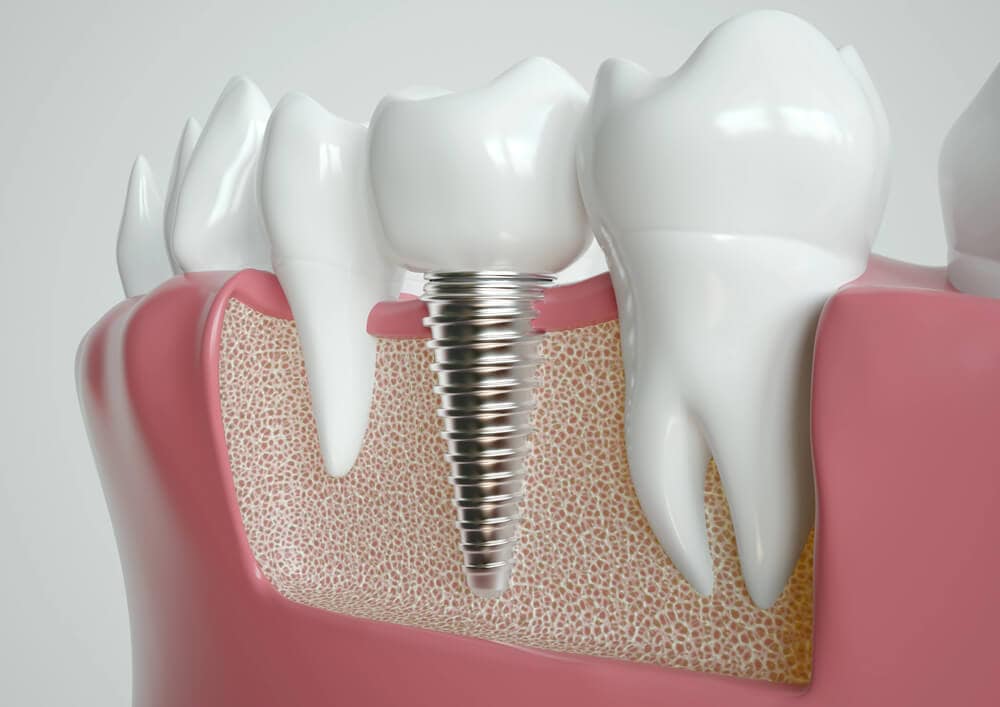
What a Dental Implant Actually Is
An implant is essentially a small titanium post that acts as a replacement tooth root. A dentist places it into the jawbone, lets it heal and fuse with the bone over a few months, and then attaches a custom-made crown on top. The end result looks and feels remarkably like a natural tooth because, structurally, it behaves like one.
That is the big difference between implants and traditional options. A denture sits on top of your gums. A bridge relies on neighbouring teeth for support. An implant is anchored in the bone itself, which changes everything about how it functions day to day.
Why the Long-Term Track Record Is So Strong
Here is the stat that tends to surprise people. According to research highlighted by the American Academy of Implant Dentistry, modern dental implants have a success rate of around 95% over the long term, and many last a lifetime with proper care. Compare that to a standard bridge, which typically needs replacing every 10 to 15 years, and the maths starts making sense pretty quickly.
The reason implants hold up so well comes down to that bone fusion, called osseointegration. Once the post and the jawbone have knitted together, the implant has a foundation that simply does not shift, slip, or wear out the way other restorations do.
They Protect More Than Just Your Smile
Here is something most people do not realise until a dentist explains it. When you lose a tooth, the jawbone underneath it starts to shrink. Your body figures there is nothing left to support, so it quietly reabsorbs the bone. Over years, this can change the shape of your face, making the lower half look sunken or prematurely aged. A denture sitting on top of the gum does not stop this. An implant does. Because it lives in the bone and transfers chewing pressure into it, the jaw keeps getting the stimulation it needs to stay dense and healthy. You are not just replacing a tooth. You are preserving the architecture of your face.
What About the Process Itself?
This is the part people usually worry about, and it is worth demystifying. Yes, implant placement is a surgical procedure, but it is done under local anesthetic, and most patients report it being less eventful than they had feared. The whole journey, from initial consultation to final crown, usually takes three to six months because you need healing time for the bone to integrate. Some clinics now offer same-day implants in suitable cases, but the traditional timeline tends to give the most predictable results.
Choosing the right practice matters more than choosing the right technique, frankly. If you are researching options locally, look for clinics with modern 3D imaging, clear consultation processes, and honest before-and-after portfolios. For readers based in Texas, for example, finding an experienced practice that offers a dental implant in Houston with full digital planning is a good starting point because the technology really does affect the precision and comfort of the whole process. Practices like Sinada Dental follow a similar approach, combining advanced technology with a patient-focused experience to make the implant journey more comfortable and predictable.
A Few Honest Things to Ask About at Your Consultation
When you walk into that first appointment, do not be shy about asking questions. For example:
- How many implants has the dentist placed?
- What imaging technology do they use?
- Is a bone graft likely to be needed in your case, and if so, what does that add to the timeline and cost?
- What happens if something goes wrong five or ten years down the road?
Good practices welcome these questions. If a clinic seems impatient with them, that is data too.
Is It Worth the Investment?
Implants cost more upfront than bridges or dentures, and there is no point pretending otherwise. But when you factor in the typical lifespan, the lack of ongoing replacement costs, the preserved bone structure, and the simple comfort of not fussing with removable appliances, the long-term math usually works out in the implant’s favour. It is the difference between buying a good pair of shoes once and buying cheap pairs every year.
Final Thoughts
If you have been quietly putting off doing something about a missing tooth, the best advice is to at least book a consultation. Most reputable clinics will assess your case, explain whether you are a good candidate, and give you a clear plan with no pressure to proceed. You are not committing to anything by finding out what your options actually look like.
A missing tooth is an easy thing to live with in the short term and a surprisingly big thing to live with for thirty years. Dental implants are one of the few health investments where the return compounds the longer you have them. And most people, once they finally do it, only wish they had done it sooner.