
Changes in how we feel about our bodies can often happen gradually. You might notice that your breasts don’t have the same fullness or symmetry they once did, which is completely normal. Factors like pregnancy, weight changes, and aging can all play a role in these shifts. For many women, finding ways to restore breast shape in a way that feels natural and true to themselves is incredibly important.
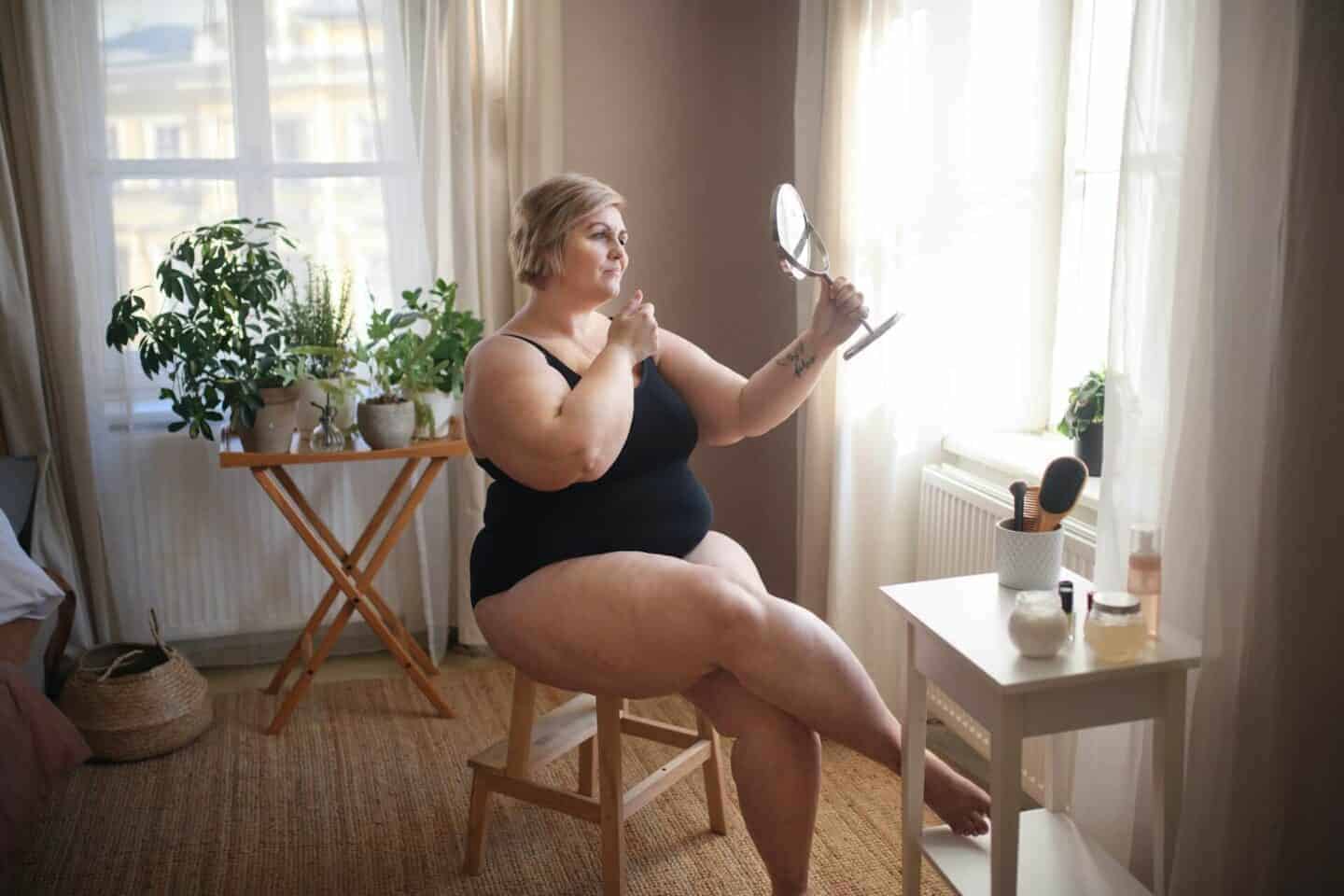
This growing desire for more personalized approaches, such as fat grafting to the breast, is being embraced in places like Denver. The concept of using your own fat to enhance your body can feel comforting and aligned with your sense of self, offering a softer and more balanced appearance.
It’s essential to recognize that preparing for this procedure is a vital part of achieving the desired results. Your body needs to be in a healthy state for the transferred fat to take hold and thrive long-term. By taking the time to prepare adequately, you can create a smoother recovery experience and achieve results that feel genuinely natural.
Let’s discuss what this preparation looks like and how to support yourself through the journey.
Start With a Stable, Nourishing Routine
Fat grafting to the breasts depends on healthy fat cells. That means your body needs a steady, supportive environment leading up to surgery.
Not extreme dieting.
Not rapid weight gain.
Just stable, consistent nourishment.
Focus on:
- Meals with protein, healthy fats, and complex carbs.
- Regular hydration — especially important in Denver’s drier climate.
- Avoiding major weight fluctuations.
Stable weight means the fat your surgeon transfers has the best chance of survival. Sudden changes can make the results unpredictable.
If You’re Considering the Procedure
When topical or external changes no longer give the feeling of balance you want, women often begin exploring Fat grafting to the breast in Denver. During this stage, it is best to reach out to professionals like OnPointe Plastic Surgery. They tailor this procedure to match your natural proportions, aiming for subtle fullness rather than obvious enhancement. The approach focuses on selecting areas with healthy donor fat, transferring it carefully, and ensuring the final shape remains soft and natural to the touch.
This isn’t about creating a different silhouette — it’s about refining the one that already feels like home.
Support Your Circulation Before Surgery
Fat survives by forming connections with nearby blood vessels. Better circulation means better support for those cells.
You don’t need a complex routine. A few simple habits can help:
- Light daily movement (walking is enough).
- Avoid sitting for long, uninterrupted periods.
- Gentle stretching or mobility exercises.
Think of it as just keeping blood flowing freely — nothing intense or strenuous.
Avoid Nicotine and Smoking Completely
This part is non-negotiable.
Reduced blood flow reduces fat survival.
Even if someone “only smokes socially,” it can still interfere with healing. Stopping at least a few weeks before the procedure makes a meaningful difference in how well the transferred fat takes shape and stays long-term.
This one step alone can significantly improve outcomes.
If Zyn has helped you move away from cigarettes, that momentum can support a clean break from nicotine before surgery. Plan your last pouch date with your surgeon so your circulation stays strong for healing and fat survival.
Focus on Hydrated Skin and Tissue Health
Because Denver has a dry climate, many people are used to reaching for extra moisturizer. Before a fat transfer, hydration matters inside and outside.
Drink water consistently — not just the day before surgery.
Use a gentle moisturizer to support skin elasticity in the donor and breast areas.
Plump, well-hydrated tissue adapts better, stretches more comfortably, and heals more smoothly.
Be Honest About Medications and Supplements
Certain supplements and medications can affect swelling and bruising.
Before the procedure, your surgeon will typically ask you to pause:
- NSAIDs (like ibuprofen)
- Herbal supplements known to thin blood
- High-dose vitamin blends
This is not about restriction — it’s about reducing unnecessary inflammation so your healing process is smooth and predictable.
Always confirm changes with your surgeon, not online advice.
Prepare Your Recovery Space Ahead of Time
Even though fat transfer to the breasts is often less intense than implant surgery, your body still needs rest while swelling settles and the transferred fat stabilizes.
Set up:
- A comfortable resting spot where you won’t need to twist or strain.
- Loose, soft clothing that doesn’t press on the chest.
- Light meals and snacks are ready to go.
- A few activities you enjoy that don’t require a lot of movement.
Recovery works best when it feels calm, supported, and not rushed.
Expect the Shape to Settle Gradually
Immediately after surgery, your breasts may look fuller than expected. This is normal swelling. Over the next few weeks, the volume adjusts as some fat naturally absorbs and the rest integrates.
This settling phase is part of the process — not a setback.
The fuller, softened shape should stabilize gradually, feeling more natural every week.
Patience matters here.
Your body is literally building new connections.
Final Thought
Preparing your body isn’t about being perfect — it’s about creating the right conditions for the shape you want to last. Small, steady habits make the biggest difference: stable nutrition, hydration, good circulation, and a calm recovery space.
A fat transfer to the breasts is one of the most personal and natural ways to enhance your shape. When your body is cared for ahead of time, the result tends to look softer, feel more natural, and stay more consistent over time.
Your body does the real work.
Preparation just helps it do it well.