
Spring is in the air, and that means our beloved tulips are about to make their grand entrance. I mean, is there anything more heartwarming than seeing those vibrant blooms pop up, signalling that winter is finally taking a bow? Tulips are the ultimate springtime celebs, with a lineup that boasts well over a hundred varieties, each with its special flair. They’re the darlings of the gardening world, loved by newbies and green-thumbed experts alike. In this blog post today, I’m going to explore all the different types of tulips you can get!

I’ve got to say, I’m hooked on how tulips are categorised. Did you know there are 15 different divisions? They’re grouped by things like when they decide to show their pretty faces, their petal shapes, and their family history. It’s pretty fascinating!
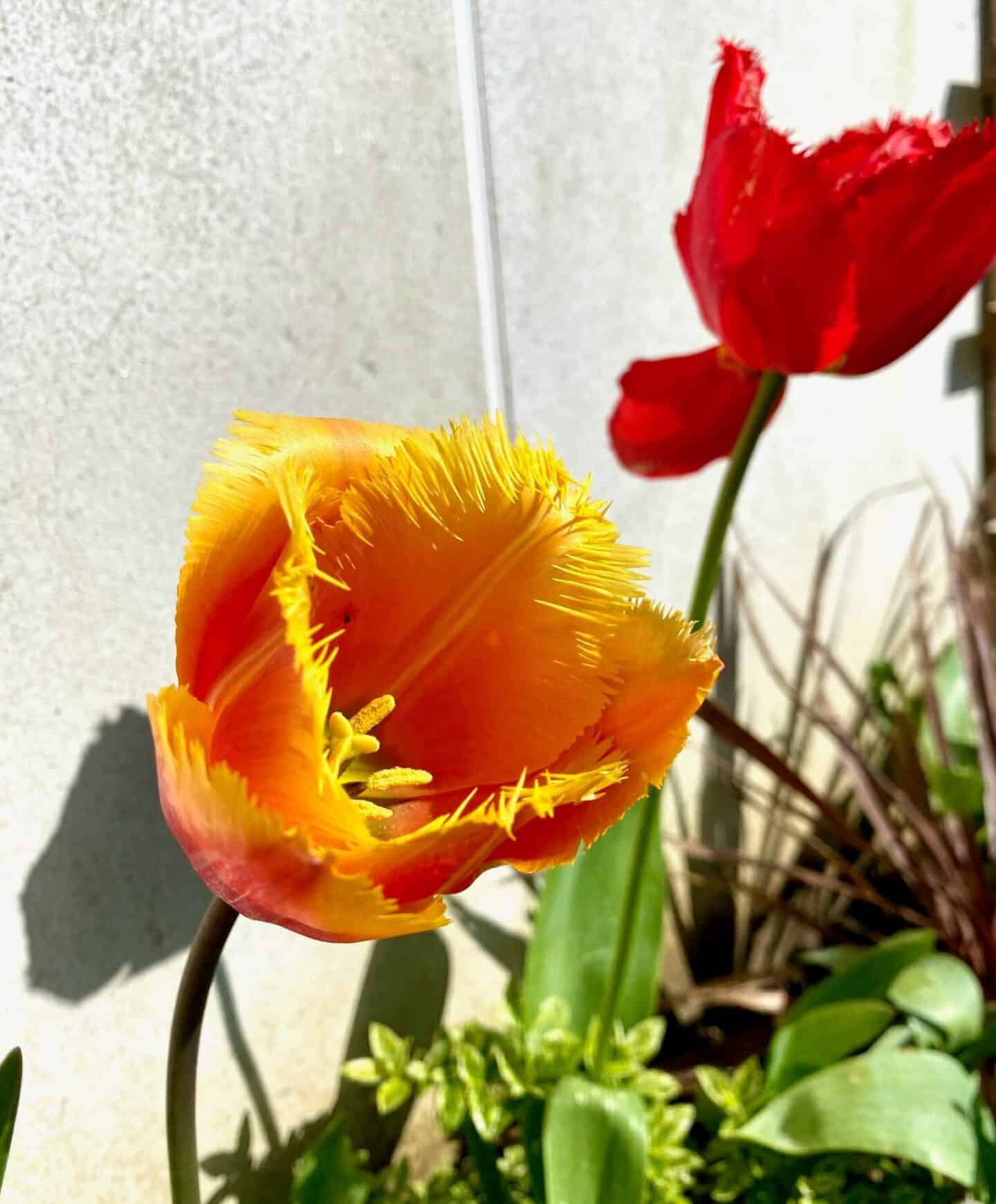
From the timeless elegance of the Darwin Hybrids to the playful frills of the Fringed Tulips, there’s a style for every taste. And can we talk about Parrot Tulips for a second? They’re like the show-offs of the tulip world, with petals that look like they’re ready to burst into song and dance. I can’t help myself; every year, I add a few more to my garden’s colorful collection.
Whether you’re into designing intricate patterns or just love a spontaneous burst of color, tulips are the perfect canvas for your garden masterpiece. So, let’s roll up our sleeves and get ready. Tulip season is here, and I’m all about embracing it to the fullest!
Historical Overview of Tulips
Tulips hold a noteworthy place in horticultural history, with two significant periods standing out: the economic bubble known as “Tulip Mania” and the identification of wild tulips in Central Asia as their ancestral roots.
Tulip Mania
In the 17th century, the Netherlands experienced a period of intense speculation that centred around tulip bulbs. This event, famously known as “Tulip Mania,” represents one of the first recorded economic bubbles. During the mania’s peak, some bulbs of particularly striking tulip varieties were being sold for more than ten times the annual income of a skilled craftsman. It’s a fascinating example of how a single commodity, in this case, tulips, can capture the economic and cultural zeitgeist of a time.
Wild Tulips and Their Origins
I find the origin of tulips equally intriguing as their cultural impact. They are native to regions of Central Asia and were cultivated in the Ottoman Empire before being introduced to Europe in the 16th century. Wild species of tulips serve as the progenitors for the vast multitude of cultivars enjoyed around the world today. It is fascinating to think that the elegant flowers ornamenting our gardens share a lineage with the hardy wild species from mountainsides in Central Asia.
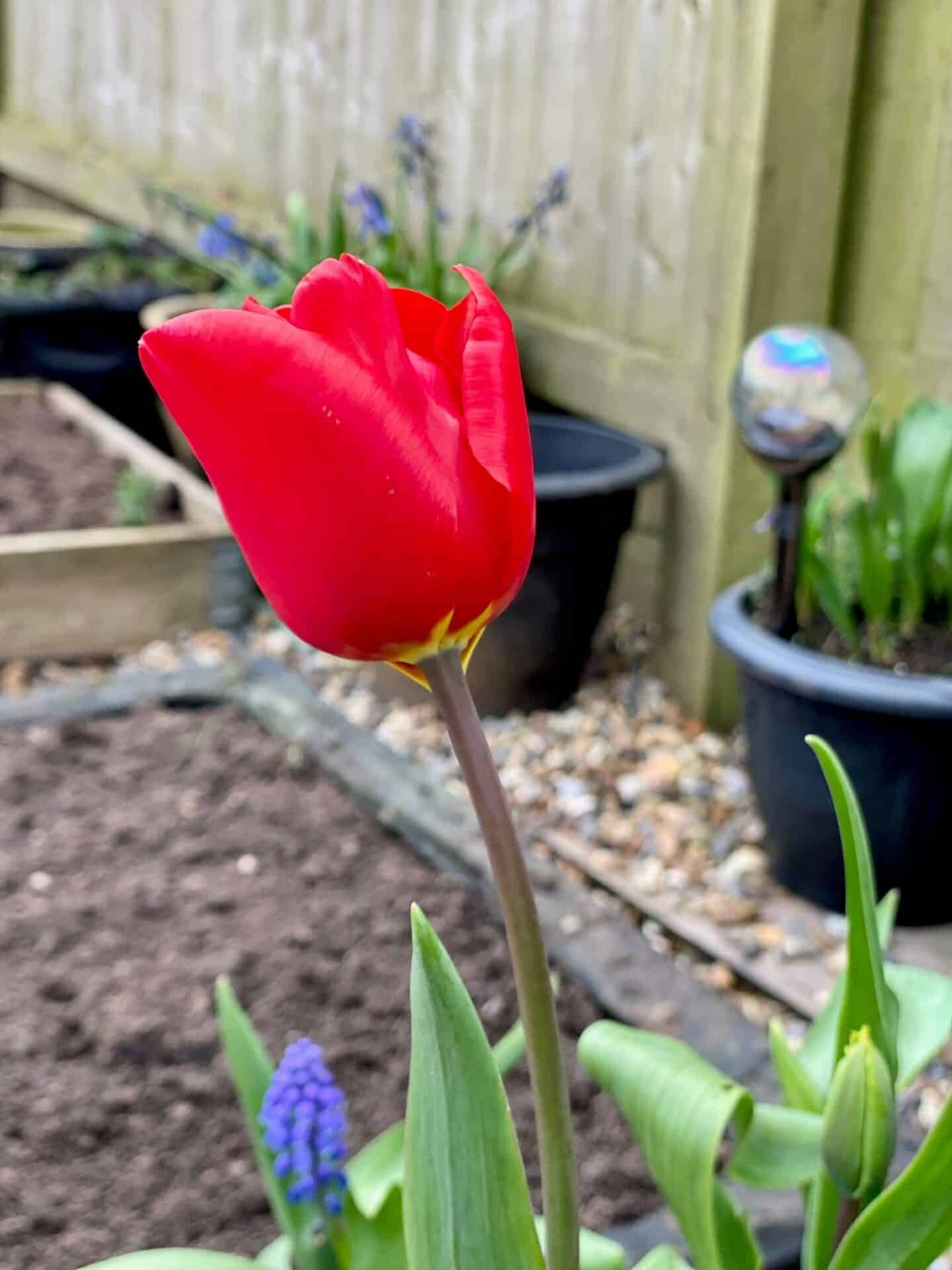
Understanding Tulip Classifications
As a huge lover of tulips, I find tulip classifications fascinating because they help me understand and choose the right varieties for my garden. With their varied forms and vibrant colours, tulips are classified into divisions based on their flower shape, size, and bloom time.
Tulip Divisions
Here are the 15 divisions of tulips, including their flower shape, bloom time, and characteristics:
1. Single Early Tulips
– Flower Shape: Cup-shaped
– Bloom Time: Early spring
– Characteristics: Brightly colored with a classic tulip shape, sturdy stems, suitable for cool spring climates.
2. Double Early Tulips
– Flower Shape: Full, double blooms
– Bloom Time: Early to mid-spring
– Characteristics: Resemble peonies, good for cut flowers, shorter stems.
3. Triumph Tulips
– Flower Shape: Traditional tulip shape
– Bloom Time: Mid-season
– Characteristics: Crosses between Single Early and Single Late tulips, wide range of colors, strong stems.
4. Darwin Hybrid Tulips
– Flower Shape: Large, oval blooms
– Bloom Time: Mid-spring
– Characteristics: Tall, sturdy stems, vibrant colors, good for cut flowers.
5. Single Late Tulips
– Flower Shape: Oval to egg-shaped
– Bloom Time: Late spring
– Characteristics: Among the tallest tulips, a wide range of colors, good for cut flowers.
6. Lily-Flowered Tulips
– Flower Shape: Long, pointed petals with a flared shape
– Bloom Time: Late spring
– Characteristics: Elegant flowers with a lily-like appearance, strong stems.
7. Fringed Tulips (Crispa)
– Flower Shape: Edges of the petals are fringed or serrated
– Bloom Time: Late spring
– Characteristics: Unique texture, a wide range of colors, good for cut flowers.
8. Viridiflora Tulips
– Flower Shape: Traditional tulip shape with a streak of green
– Bloom Time: Late spring
– Characteristics: Green streaks on petals, long-lasting flowers, good for cut flowers.
9. Rembrandt Tulips
– Flower Shape: Traditional tulip shape with streaks or flames of color
– Bloom Time: Mid to late spring
– Characteristics: Historically virus-induced color breaks, now bred for effect, less commonly grown.
10. Parrot Tulips
– Flower Shape: Ruffled, curled, and twisted petals
– Bloom Time: Late spring
– Characteristics: Flamboyant and dramatic, with feather-like petals, often in vibrant, contrasting colors.
11. Double Late Tulips (Peony Flowered)
– Flower Shape: Large, full, and rounded double blooms
– Bloom Time: Late spring
– Characteristics: Resemble peonies, have a lush, luxurious look, and are available in many colors.
12. Kaufmanniana Tulips
– Flower Shape: Open flat or star-shaped
– Bloom Time: Early spring
– Characteristics: Also known as waterlily tulips, have large flowers relative to their short height, often with a two-tone color pattern.
13. Fosteriana Tulips (Emperor)
– Flower Shape: Large, wide blooms
– Bloom Time: Early to mid-spring
– Characteristics: Known for their bold colors and large flower size, often have striped or mottled leaves.
14. Greigii Tulips
– Flower Shape: Large cup-shaped blooms
– Bloom Time: Mid-spring
– Characteristics: Striking mottled or striped foliage, sturdy stems, and bright, vivid flower colors.
15. Species Tulips (Botanical)
– Flower Shape: Various, often smaller and more delicate than hybrid varieties
– Bloom Time: Varies by species, typically early to late spring
– Characteristics: Wild tulip varieties that are generally more tolerant of harsh conditions and can naturalize in the garden.

Tulip Species
Tulip species, also known as botanical tulips, are the wild ancestors of the hybrid tulips commonly found in gardens. They are naturally occurring and often less showy but more resilient than their cultivated counterparts. There are over 75 species of tulips, but here are a few popular examples:
1. Tulipa kaufmanniana – Known as the waterlily tulip for its early, large, and open, star-shaped flowers.
2. Tulipa turkestanica – Notable for its multi-flowering habit, with up to 12 star-shaped flowers per stem.
3. Tulipa tarda – Features star-shaped flowers with a yellow center and white tips.
4. Tulipa saxatilis – Offers lilac-pink petals with a yellow base, known as the candy tulip.
5. Tulipa greigii – Recognized by its large, bright flowers and mottled leaves.
6. Tulipa batalinii – A smaller species with bowl-shaped blooms in shades of yellow, orange, or red.
7. Tulipa clusiana – The lady tulip, with a slender form and contrasting petal colors.
8. Tulipa acuminata – Has unusual, narrow, elongated petals that are yellow and red.
9. Tulipa sylvestris – A fragrant species with yellow, bell-shaped flowers.
10. Tulipa humilis – A low-growing species with various colors, including pink and violet.
These species of tulips are often more tolerant of various climates and can naturalize in the garden, coming back year after year. They are appreciated for their natural beauty and are a great choice for a more wild or naturalized garden setting.
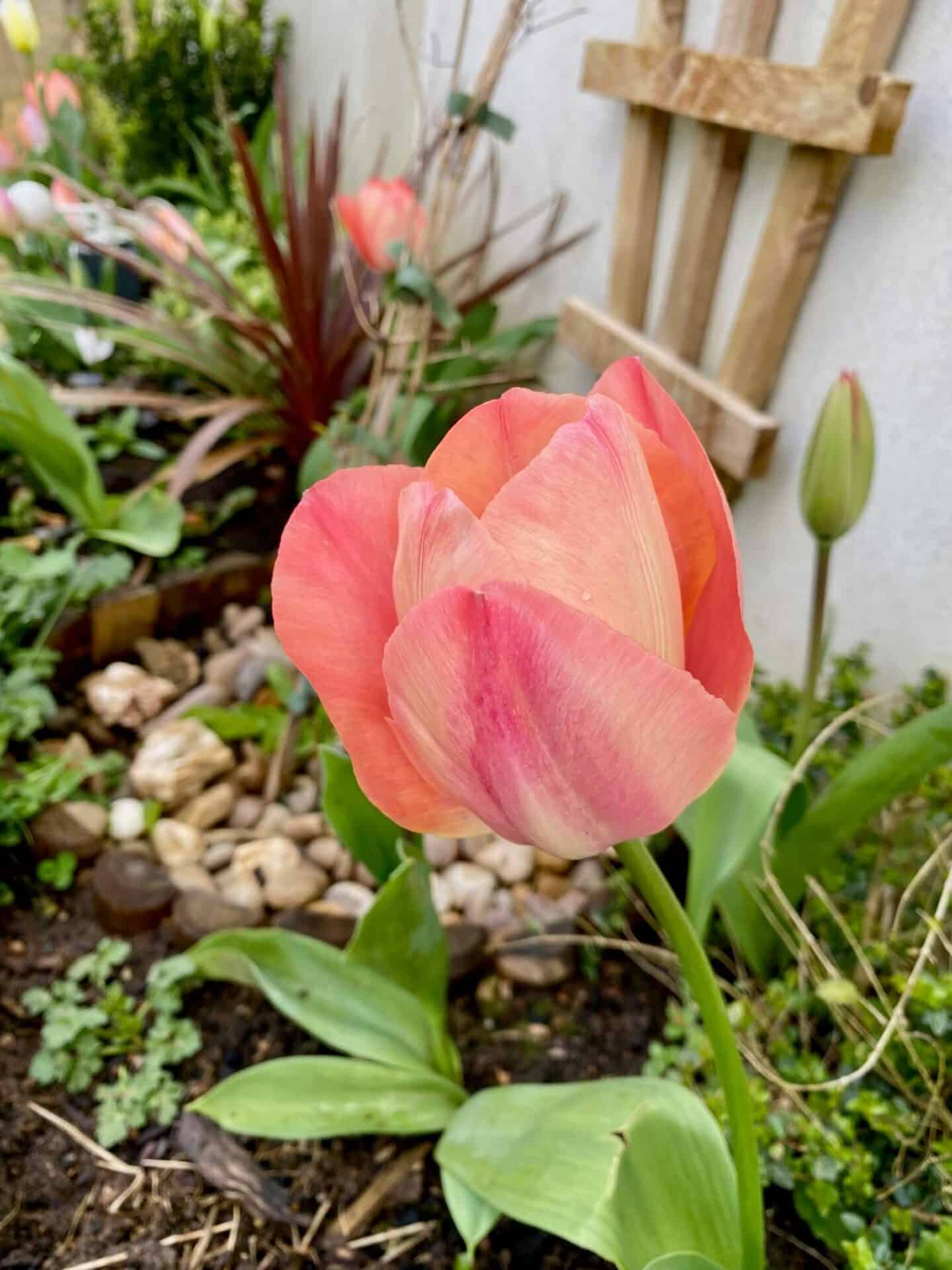
Key Differences Between Tulip Species and Tulip Divisions
Here’s a table that outlines the key differences between tulip species and tulip divisions:
| Aspect | Tulip Species (Botanical Tulips) | Tulip Divisions (Cultivated Varieties) |
|---|---|---|
| Origin | Wild, naturally occurring in nature. | Cultivated, bred for specific characteristics. |
| Variety | Over 75 species, each with its own unique characteristics. | 15 main divisions, each grouping varieties by traits. |
| Flower Shape | Typically smaller and more delicate than hybrids. | Wide range of shapes, including large and showy blooms. |
| Bloom Time | Varies by species, some bloom very early in spring. | Classified by bloom time: early, mid, or late spring. |
| Plant Size | Generally smaller and less showy than many cultivated tulips. | Can range from short to tall, depending on the division. |
| Perennial Quality | More likely to be perennial and naturalize in suitable conditions. | May not perennialize as well and often treated as annuals. |
| Garden Use | Ideal for naturalizing in wild gardens and rockeries. | Commonly used in formal garden beds and for cut flowers. |
| Maintenance | Generally require less care and are more tolerant of harsh conditions. | May require more care, including deadheading and fertilizing. |
This table summarizes the distinctions between the naturally occurring tulip species and the more commonly known cultivated tulip divisions that are popular in gardens and floral arrangements. I hope you have found it helpful!
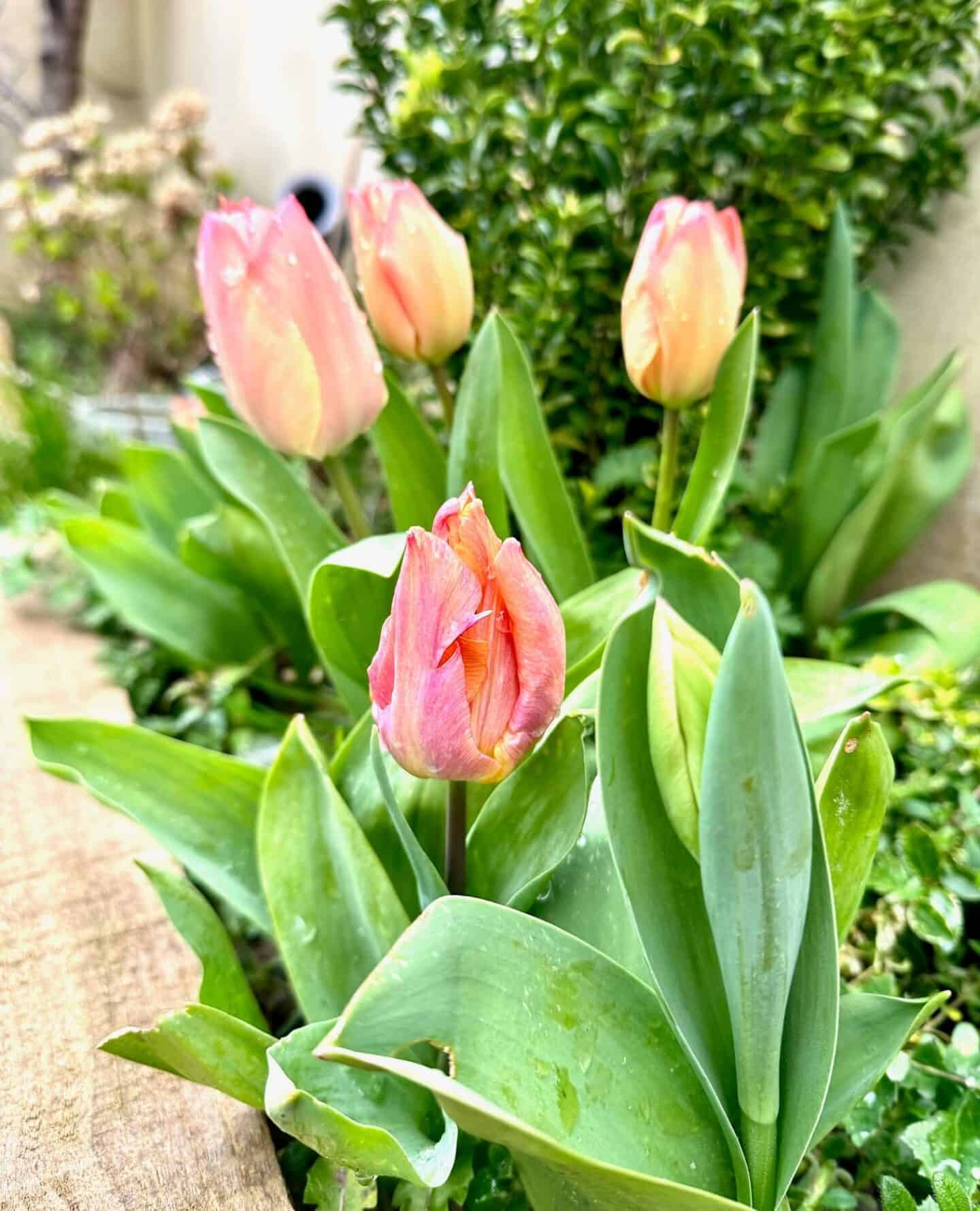
Tulip Varieties by Bloom Time
Tulips enliven gardens with a sequence of colours, beginning as early as March. They’re meticulously categorised by bloom timing, so I can plan a garden with successive waves of colour from early to late spring.
Early Spring Bloomers
In the cool early spring days, often late March to early April, a selection of tulip varieties make their debut. They offer an early glimpse of the vivid displays to come. Here’s a snapshot:
- Fosteriana Tulips: Known for their large, vibrant flowers, they’re one of the first to cheer up the garden.
- Single Early Tulips: These classic tulips feature strong stems with a traditional shape and come in a variety of bold colours.
Late Spring Showstoppers
As we move towards late April and early May, the garden reaches a crescendo with late-spring tulips. These varieties hold the fort until summer’s onset:
- Darwin Hybrid Tulips: Majestic in height, they bring a burst of colour with their large, traditional blooms.
- Fringed (Crispa) Tulips: Notable for their fringed petal edges, they add a unique texture to the flowerbed.
- Lily-flowering Tulips: The elegantly pointed petals of these tulips resemble a lily and sway gracefully on long stems.

Selecting Tulips for My Garden
When I select tulips for my garden, I pay close attention to their specific sunlight and soil needs to ensure they’ll flourish. I aim for a vibrant display in my spring garden, with careful consideration for their placement in relation to sun exposure and the quality of my garden’s soil.
Sunlight and Shade Requirements
Tulips generally thrive under full sun conditions, which means I like to plant them where they’ll receive at least 6 hours of direct sunlight daily. They can tolerate partial shade, but too much shade can lead to poor flowering. Here’s how I typically plan their placement:
- Full Sun: Ideal for maximising bloom and ensuring strong stems; I choose open areas away from larger plants that cast shadows.
- Partial Shade: I use this for areas that receive filtered light, such as under deciduous trees that won’t leaf out until after the tulips bloom.
Soil and Drainage Considerations
For my tulips to reach their full potential, well-drained soil is essential. Tulip bulbs can rot in waterlogged soil, so I ensure that my planting spots are free from standing water. Here’s what I look for:
- Soil Texture: Sandy loam is my go-to because it’s well-draining. If I have heavier soil, I’ll mix in some sand or compost to improve drainage.
- Location: Raised beds, rock gardens, and flower beds with a slight slope are perfect for promoting drainage and preventing water from pooling around the bulbs.
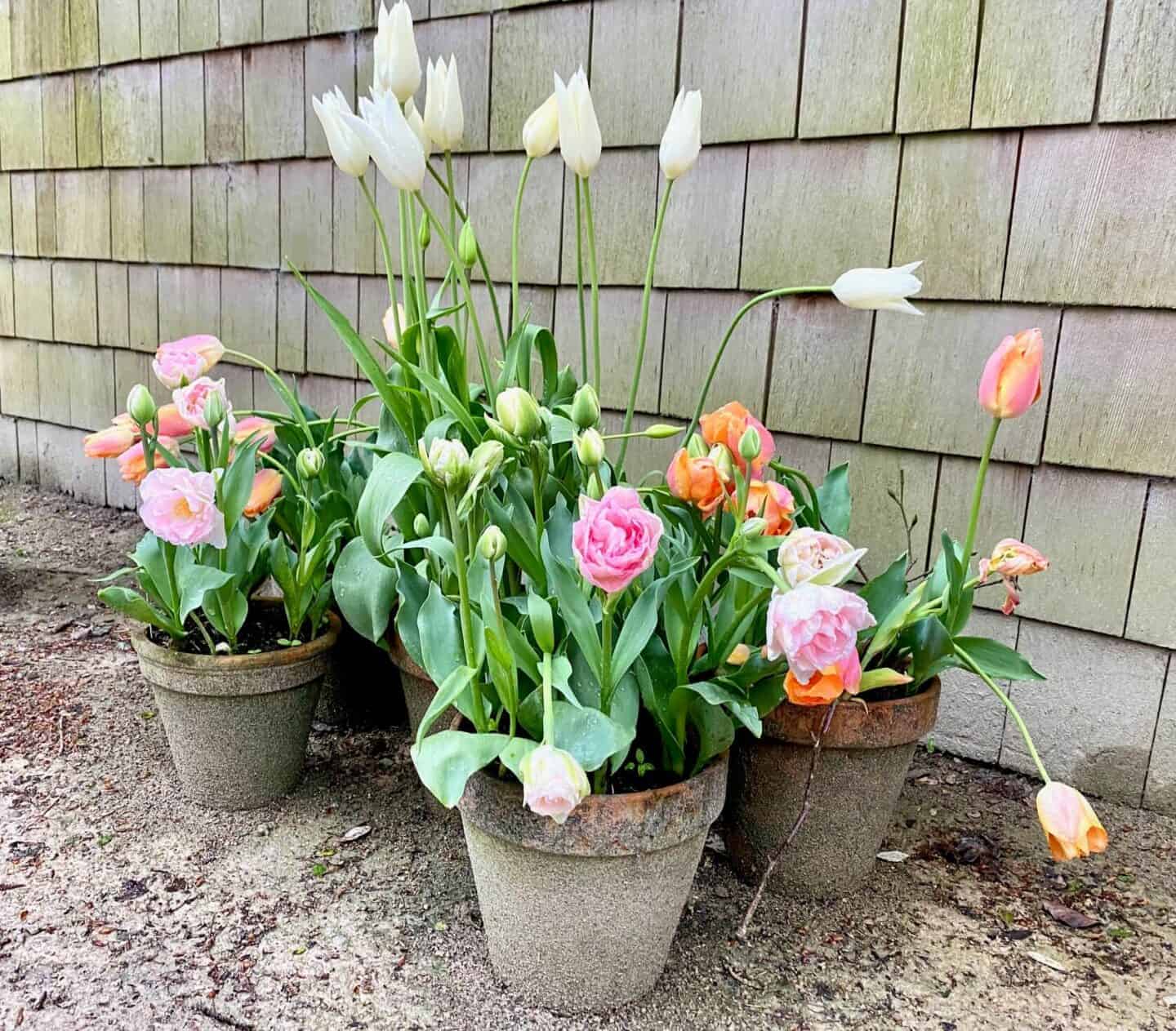
Remarkable Tulip Types Highlighted
In my exploration of tulip varieties, I’ve discovered a stunning array of tulips, each with their own charm and characteristics. From the vibrant colours of Darwin Hybrids to the intricate patterns of Rembrandt Tulips, let’s dive into the specifics of these remarkable flowers.
Single and Double Early Tulips
Single Early Tulips such as ‘Purple Prince’ kick off the tulip season with a spectacle of colours and are known for their strong stems. Double Early Tulips like ‘Monte Carlo’ enchant with their peony-like blooms and sweet fragrance.
Darwin Hybrids and Their Impact
The Darwin Hybrid Tulips, including ‘Pink Impression’, are treasured for their large flowers and robust nature, often returning to bloom several years after planting.
Triumph Tulips and Their Features
Triumph Tulips stand out with their traditional tulip shape and a vast palette of colours. ‘Casa Grande’ is a testament to their enduring popularity, offering strong stems and vibrant hues.
Unique Parrot Tulips
The flamboyant Parrot Tulips like ‘Black Parrot’ boast curled and twisted petals making each flower a unique artwork. Their bold textures are a true spectacle in any garden.
Luscious Double Late Tulips
For opulence, look no further than Double Late Tulips. ‘La Belle Epoque’ captivates with its peony-like blooms in a soft palette of pastel hues.
Elegant Lily-Flowered Tulips
Characterised by their slender and pointed petals, Lily-Flowered Tulips such as ‘Queen of the Night’ with its deep maroon shade, stand with an elegance that complements any floral arrangement.
Colourful Kaufmanniana Tulips
Kaufmanniana Tulips, often referred to as ‘Water Lily’ tulips, open flat in the sun. The ‘Red Riding Hood’ offers striking red petals contrasted by a bold black base.
Sturdy and Vibrant Fosteriana Tulips
Recognised by their wide, open flowers, Fosteriana Tulips include varieties like ‘Orange Emperor’, an early bloomer that lights up the garden with its bright, sunny disposition.
Distinctive Greigii Tulips
Greigii Tulips, such as the bright and bold ‘Red Riding Hood’, come with marked foliage and are perfect for naturalising in rockeries or borders.
Exotic and Rare Viridiflora Tulips
Viridiflora Tulips are noted for their streaks of green, complementing colours on the petals. Their unusual colour combinations are a collector’s delight.
Artistic Rembrandt Tulips
My love for tulips wouldn’t be complete without mentioning Rembrandt Tulips, known for their dramatic colour breaks, echoing the brushstrokes of the old master painters. Although no longer available due to virus concerns, their influence remains in the tulip world.
Peony Tulips
Peony tulips are a stunning variety of double late tulips that dazzle with their lush, full blooms reminiscent of peonies, making them a breathtaking addition to any spring garden or floral arrangement.
Caring for Tulips Throughout the Year
I find that taking care of tulips is a rewarding gardening task. To see these flowers flourish, you need to provide the right amount of water and nutrients consistently. Don’t forget to protect them from harsh weather elements.
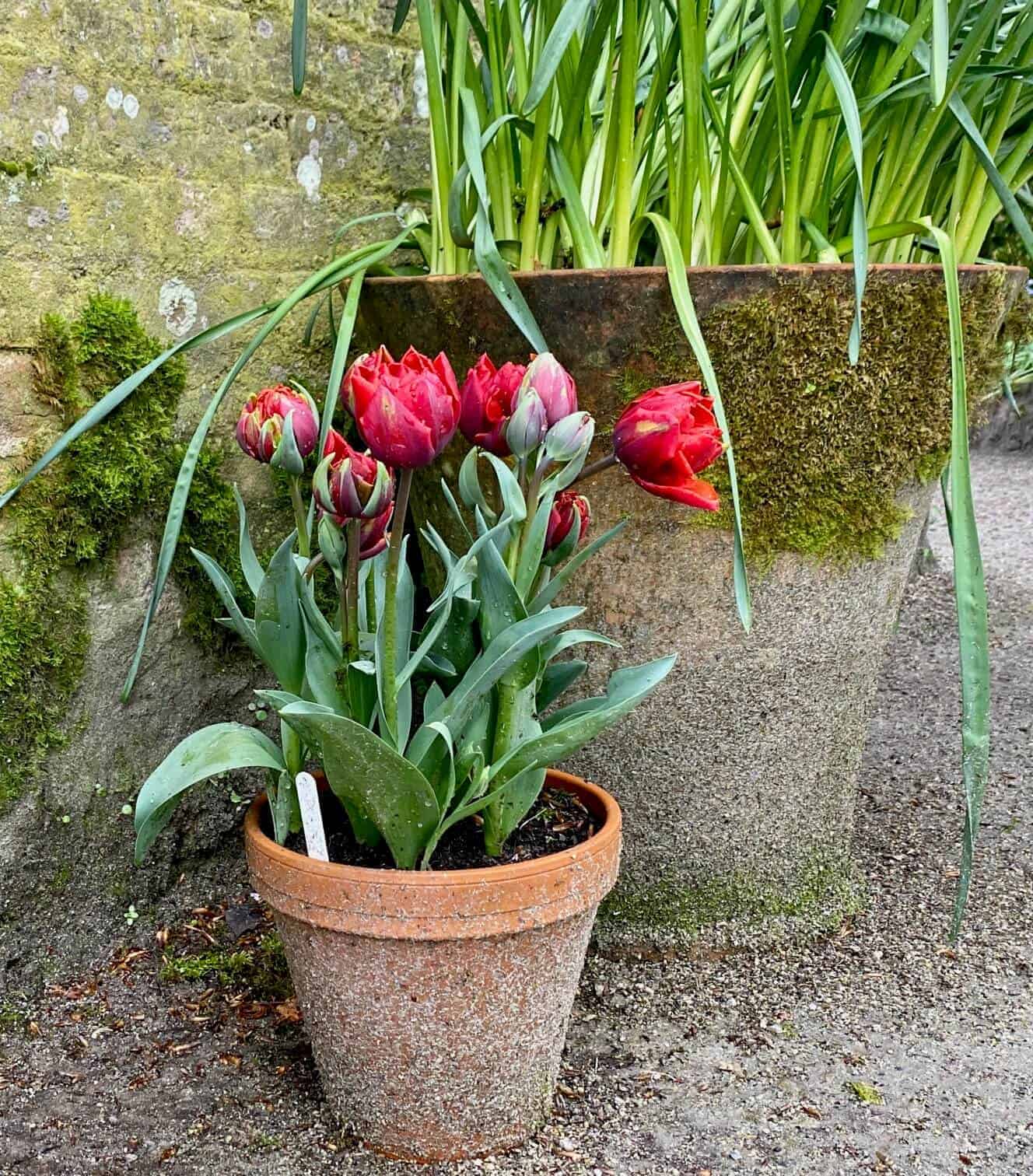
I go into further detail about caring for tulips in pots in this blog post. If you want to start growing tulips in pots for a small garden or patio.
Watering and Nutrient Guidelines
Watering: I water my tulips thoroughly during their growth period, ensuring the soil is moist but not waterlogged. I check the soil more frequently in the spring when they’re actively growing and the rainfall is less predictable. Once the green leaves start to yellow and die back after blooming, I reduce watering significantly as the bulbs enter dormancy.
Feeding: I feed my tulips with a balanced, slow-release fertiliser when the shoots first appear in the spring. A second round of fertilising is beneficial when the flowers are about to bloom. This regimen supports strong stems, especially important for varieties with tall stems and large blooms, and promotes healthy green leaves.
Protection from Weather Elements
From Wind: I find that sturdy stems can usually withstand normal wind, but in areas with high winds, especially for tulips with long stems or large, double blooms, I provide some level of staking or planting near a sheltering structure to offer some wind protection. But short stems varieties are a good idea in windy areas.
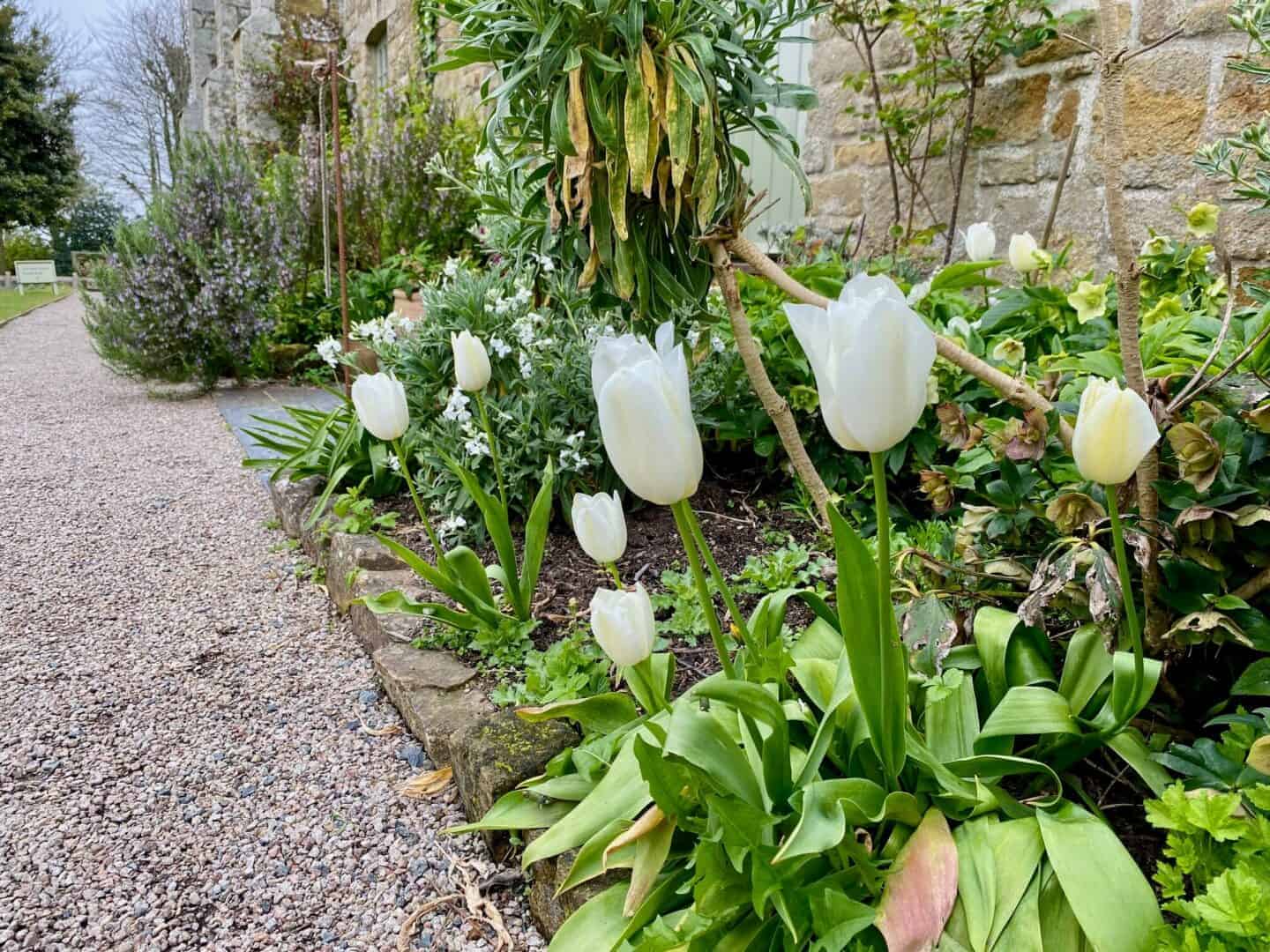
From Frost: Tulips are relatively hardy, but an unexpected spring frost can damage the blooms and foliage. If a frost is forecasted, I cover my tulips with a frost blanket or burlap overnight to protect them. My white flowers and yellow flowers are just as resilient as the rest, and the same care applies to them.
During each season, I adjust my care routine to meet the changing needs of my tulips, but keeping these guidelines in mind helps me enjoy their vibrant blooms year after year.
Creative Uses and Display of Tulips
I find tulips to be versatile flowers that can accentuate both gardens and homes. With their wide range of colours and large blooms, tulips can create stunning visual impacts wherever they’re placed.
Tulips in Landscaping
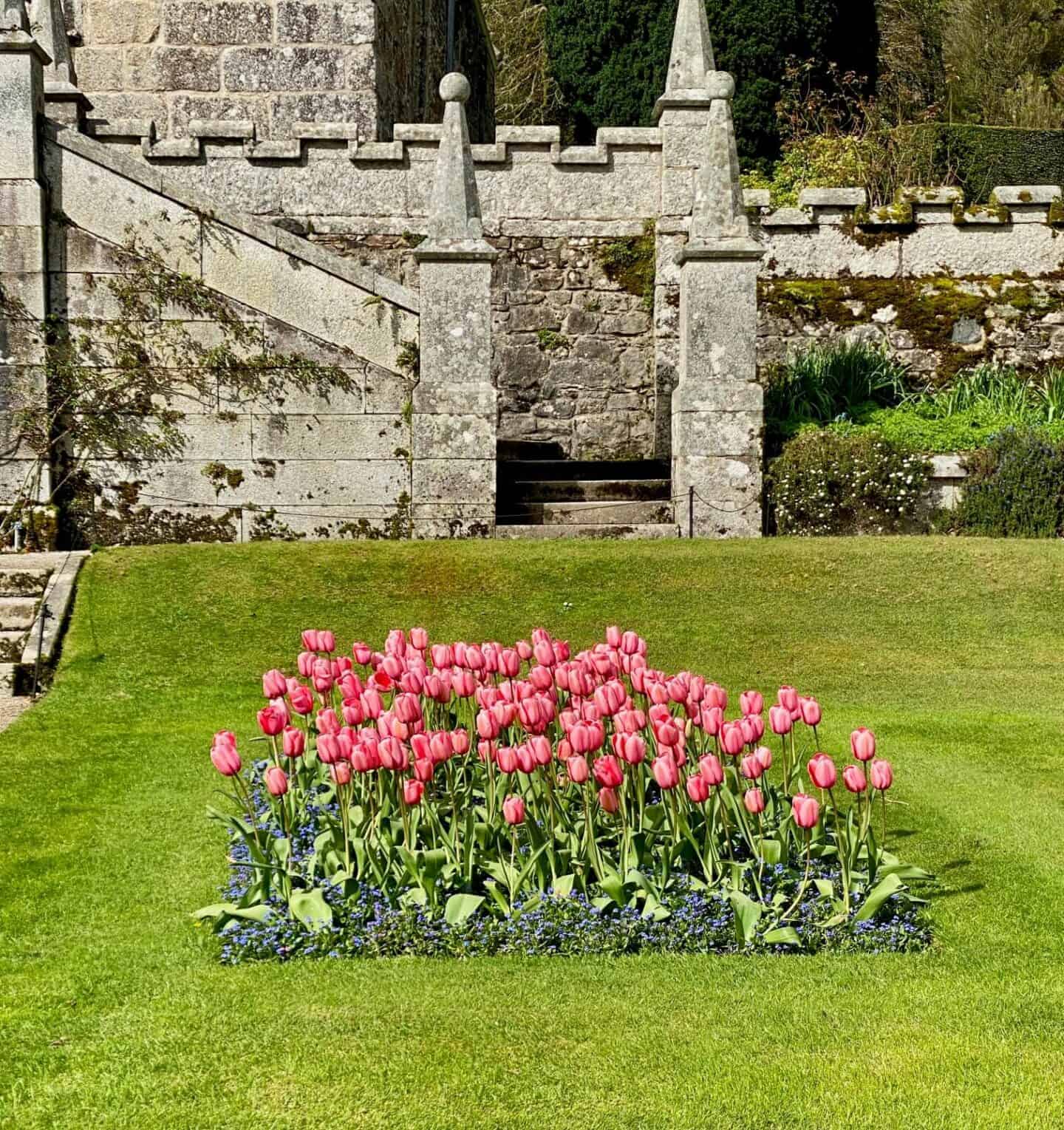
When it comes to landscaping, I enjoy grouping tulips in large numbers to create a breathtaking display of colour. Personally, I adhere to a few strategies:
- Clustering: Planting tulips in clusters of at least 10-15 bulbs can produce a splash of colours when they are in full bloom. It’s a real spectacle to see!
- Layering: I find planting tulips with other spring bulbs in layers makes the flowering last longer. This process ensures I have a cascade of colours throughout the spring.
- Colour Coordinating: Choosing a variety of colours that complement one another can really make a garden pop. Sometimes, I arrange tulips in a single hue for a more sophisticated look.
Tulips as Cut Flowers
Tulips make excellent cut flowers—long-lasting and elegant. Here’s how I get the most out of them:
- Selection: I look for tulips with firm stems and buds that are just starting to show colour. This means they’ll last much longer in a vase.
- Care: Once cut, I place them in clean water, trimming the stems diagonally to allow them to drink up more water. Keeping them away from direct sunlight helps keep the tulips in bloom for an extended period.
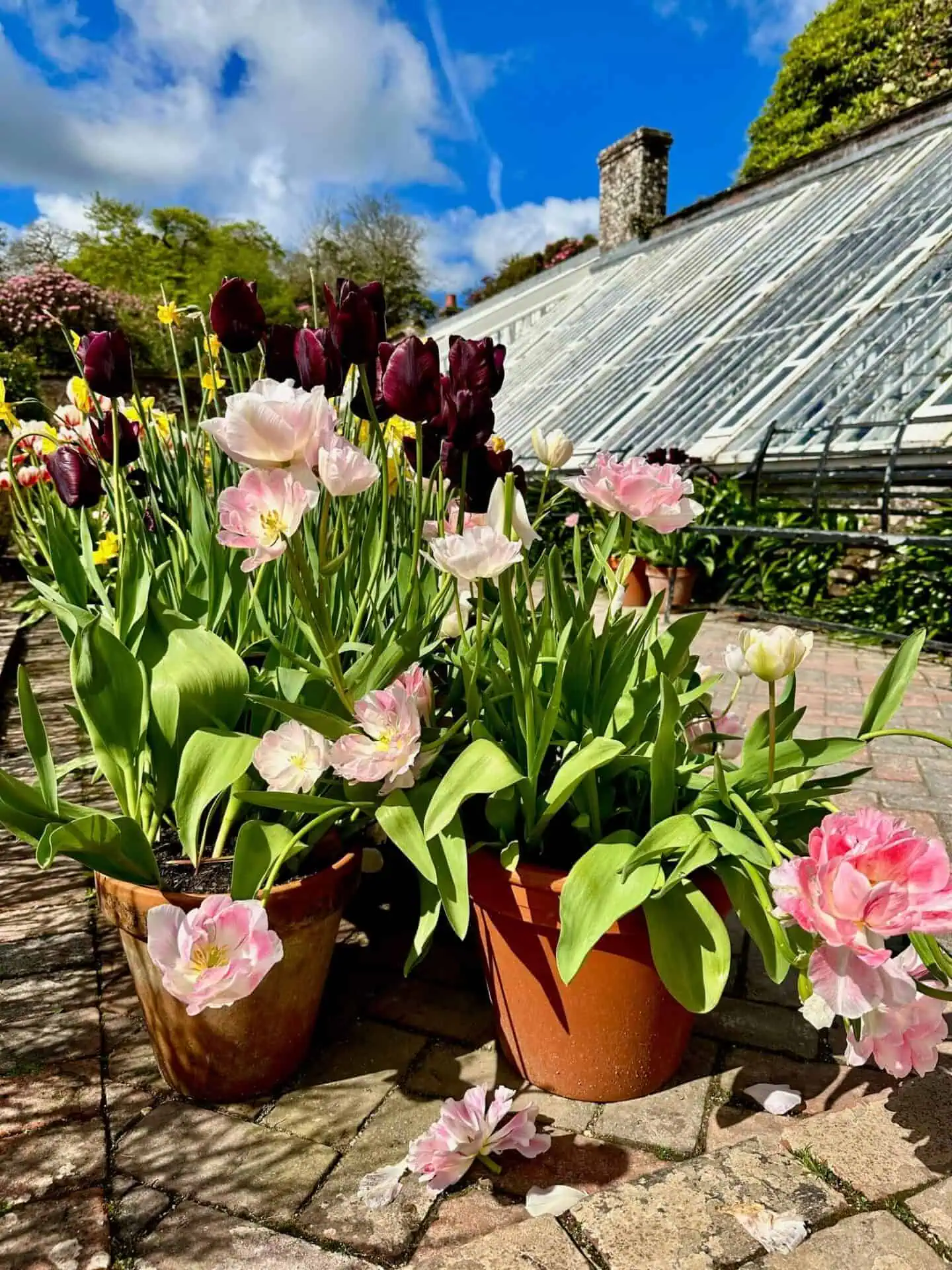
Tulips truly shine as cut flowers, lending a touch of spring’s cheerfulness inside my home. They never fail to impress, whether displayed as a monochromatic arrangement or mixed to showcase a delightful spectrum of colours!
Perennial Tulips and Naturalising
I find that one of the joys of gardening is observing the reliable return of blooming tulips each year. When I choose the right varieties and give them proper care, perennial tulips can be a recurring spring delight, while naturalising them offers an expanding display over time.
Perennial Favourites
In my experience, certain tulip varieties boast the ability to emerge vigorously in subsequent springs. These reliable perennials are a garden investment, as they reduce the need for annual replanting. I’ve learned that botanical tulips are particularly suited for perennial growth. They can thrive under tree canopies or in shaded grass, provided they get some sun and warmth to help them split their bulbs. It’s important to plant them in well-draining soil with full exposure to the sun. Darwin hybrids, like the striking ‘Olympic Flame’, are also noted for their yearly recurrence. They often reach stunning heights up to 2 feet and flourish from mid to late spring.
Tulip varieties known for perennial growth:
- Botanical tulips (suitable for shaded areas)
- Darwin hybrid tulips (such as the ‘Olympic Flame’)
Naturalising in the Landscape
For tulips that do more than return each year, I opt for naturalising varieties. These marvels don’t just come back; they spread and multiply, enhancing the garden scape with increasing numbers annually. Species, Fosteriana, and Kaufmanniana tulips are among the best for this purpose. When naturalising, I remember not to remove the foliage until it has died back completely, which can take 6-8 weeks post-bloom. This ensures the tulips have enough time to store energy for the next season. Species tulips are also allowed to self-seed, contributing to their natural spread.
Key steps for naturalising tulips:
- Allow the foliage to die back naturally before removal.
- Choose species suited for naturalising, such as Species, Fosteriana, or Kaufmanniana tulips.
With perennial favourites and the process of naturalising, my garden enjoys a reliable and expanding display of tulips that herald the advent of spring each year.
What are your favourite tulips? I would love to know below!

Frequently Asked Questions
How many varieties of tulips can you find?
Tulips offer a wealth of variety with over 3,000 distinct types registered. Each variety falls into one of several classifications based on flower shape, height, and blooming period.
What colors do tulips come in?
Tulips are celebrated for their vibrant and diverse color palette, which can brighten up any garden or floral arrangement. Here’s an overview of the various tulip colors available:
Red Tulips: Often associated with love and passion, red tulips are a classic choice for romantic occasions. They’re one of the most popular tulip colors and can range from bright, fire-engine red to deeper, burgundy shades.
Yellow Tulips: Symbolizing cheerfulness and joy, yellow tulips bring a burst of sunshine to gardens. They can vary from soft buttery hues to bold, golden tones, and are often used to convey friendly sentiments.
Pink Tulips: Representing affection, caring, and good wishes, pink tulips come in a wide range of shades from pale blush to vivid magenta. They are versatile and can fit into almost any garden design or bouquet.
Purple Tulips: Conveying royalty and elegance, purple tulips can offer deep, rich shades as well as lighter, lilac tones. They often bring a touch of sophistication and mystery to their surroundings.
White Tulips: Symbolic of purity, forgiveness, and respect, white tulips can provide a crisp contrast to more colorful varieties or create a sense of calm and simplicity on their own.
Orange Tulips: Bursting with energy and enthusiasm, orange tulips can range from soft peach to fiery sunset hues. They are often used to express fascination and warmth.
Green Tulips: Unique and unexpected, green tulips like the Viridiflora varieties often feature green streaks or entirely green petals and can add an unusual twist to traditional floral displays.
Bi-Color Tulips: These tulips feature petals with two or more colors, which can include stripes, edges, or flames of contrasting hues. Bi-color tulips are eye-catching and add complexity to any tulip display.
Multi-Colored Tulips: Some tulip varieties naturally display a blend of colors in a single bloom, creating a stunning and often unique effect.
Black Tulips: While true black tulips don’t exist, there are varieties like ‘Queen of Night’ that offer such a deep purple shade they appear almost black, providing a dramatic and rare look.
What names are given to different tulip varieties?
Names of tulip varieties often reflect their characteristics or origins such as ‘Queen of Night’ for a near-black tulip or ‘Turkestanica’ for a species native to Central Asia. Cultivars like ‘Acropolis’ are named for their majestic appearance.
Can you list tulip varieties by their distinct colours?
Yes, tulip varieties span a vibrant palette. Red tulips include ‘Apeldoorn’, pink tulips feature varieties like ‘Angelique’, and the rare black-hued ‘Queen of Night’. White, yellow, and purple options abound, with varieties such as ‘Calgary’, ‘Golden Apeldoorn’, and ‘Negrita’.
What are some of the most unique tulip varieties known?
Unique tulips include the ‘Ice Cream’ with its double flower resembling a scoop of ice cream and ‘Flaming Parrot’ with its flamboyant, feathered petals in red and yellow.
How is tulip species classification determined?
Tulip species are classified by a system that encompasses flowering time, flower shape, and plant size. For example, ‘Lily-flowered’ tulips feature pointed petals with a lily-like form, and ‘Darwin Hybrids’ are known for their large blooms and strong stems.
Which tulip variety is considered the rarest?
The ‘Semper Augustus’ was considered the rarest and most valuable during the 17th-century Dutch Tulip Mania, although it no longer exists. Nowadays, varieties like the ‘Black Parrot’ are sought after for their unique appearance
You may also like:
- All You Need To Know About Growing Hydroponic Tulips
- Exploring the History of Tulips: How a Simple Flower Shaped Economic History
- Companion Plants for Tulips: Perfect Partners for Your Spring Garden
- How to Keep Your Bulk Tulips Fresh and Vibrant
- How To Grow Tulips In Water or Soil Indoors
- How To Take Care Of Tulips In Pots
- How To Plant Tulip Bulbs In Bowls That Have No Drainage
- How Late Can You Plant Tulip Bulbs: Last-Minute Tips for Autumn Gardeners