
Urban apartment residents are using narrow, elongated planter boxes to create lush balcony privacy screens without sacrificing valuable outdoor floor space.
Stepping out onto your apartment balcony should feel like a relaxing escape, not an obstacle course. When you live in a high-rise or dense urban building, your outdoor square footage is barely wide enough for a bistro chair and a small side table. Adding traditional round flower pots quickly eats up that precious walking path, leaving you cramped and exposed to neighboring windows.
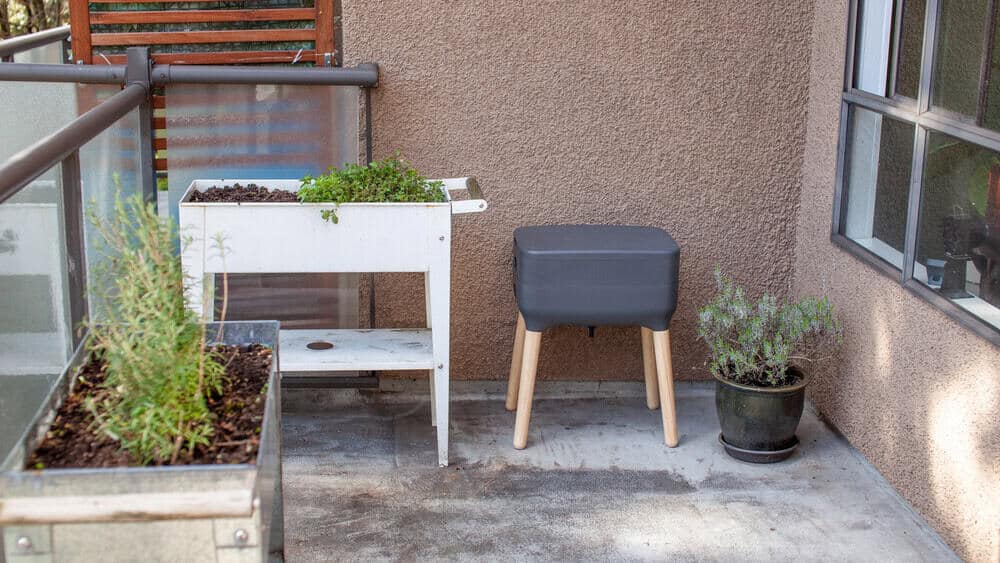
You do not have to choose between an empty concrete slab and a cluttered jungle. Swapping bulky circular tubs for sleek, narrow rectangular planter boxes gives you the lush greenery and visual privacy you want while keeping your floor plan open and functional.
Why Do Narrow Rectangular Silhouettes Beat Round Pots?
Round containers waste valuable floor space because their widest point juts directly into your main walkway. When you line up circular pots along a balcony railing, you create awkward triangular gaps between them that collect dead leaves while stealing inches from your seating area.
Finding the right footprint makes all the difference when you measure out a tight urban patio. If you want to see how sleek, space-saving dimensions fit along a narrow edge, you can browse the options here to compare lengths and widths that suit tight layouts. Choosing a box between 8 and 12 inches wide lets you pack plenty of soil into a slim line without crowding your patio furniture.
How Can Linear Boxes Create Renter-Friendly Privacy?
Building a permanent wooden privacy lattice usually violates apartment lease agreements and risks your security deposit. Long, deep planter boxes act as freestanding bases for tall, dense foliage that blocks sightlines from adjacent balconies. You get a living green wall that softens city noise and protects your morning coffee routine from curious neighbors.
Designing Layered Planting Arrangements
According to Resident, elongated pots work wonderfully for layered designs that place tall plants in the back, medium blooms in the center, and trailing vines along the front edge.
- Choose clumping bamboo: Non-invasive bamboo varieties grow fast and create a thick, rustling screen that sways gently in the breeze without spreading roots aggressively.
- Plant tall ornamental grasses: Feather reed grass or maiden grass shoots straight up to five feet tall while staying narrow at the base, giving you instant height without heavy woody branches.
- Add trailing front-edge plants: Sweet potato vine or creeping Jenny spills over the outer lip of the box, hiding the container rim and softening harsh architectural lines.
What Should You Know About Balcony Weight Limits?
Every apartment balcony has a strict structural load limit designed to keep the building safe. Ignoring these limits can cause serious structural strain when you line up multiple containers along the outer edge of a cantilevered slab. Before you buy bags of potting mix, check your lease agreement or ask your property manager for the exact pounds-per-square-foot rating of your outdoor space.
Dry potting mix feels light when you carry the bag home from the garden center, but water changes the math dramatically. Furniture in Fashion notes that one liter of water adds a kilogram of mass, meaning fully watered planters weigh more than their dry delivery weight. You must calculate your total load based on completely saturated soil during a heavy rainstorm.
Why Is Fiberglass Better Than Ceramic or Concrete?
Traditional terracotta, glazed ceramic, and poured concrete look stylish, yet they carry massive dead weight before you even add a scoop of dirt. Moving a heavy concrete trough up a freight elevator or across a living room rug turns into an exhausting chore.
Commercial-grade fiberglass gives you the clean, modern look of cast stone or matte metal at a fraction of the weight. Because fiberglass resin does not absorb water, these containers handle freezing winter nights and scorching summer afternoons without splitting or warping. When your lease ends, two people can easily lift and carry empty fiberglass boxes down the hall to your moving truck.
How Do You Arrange Planters for Maximum Seating Room?
Placing your rectangular boxes in the right spots determines whether your balcony feels cramped or spacious. Start by measuring the swing radius of your balcony door so your planters never block the entrance or scratch the glass.
Push your tallest privacy troughs against the short side walls of the balcony first, as these edges block side-to-side views from next-door neighbors without closing off your main skyline view. Keep lower, waist-high troughs along the front railing so you can still enjoy the city vista while seated. Leaving at least 30 inches of clear walkway between your furniture and your planter line ensures you can move around comfortably with a tray of drinks.
What Maintenance Keeps Narrow Planters Thriving?
Skinny planter boxes hold less soil volume than square tubs, which means the soil dries out faster on windy, sunny afternoons. High-rise balconies act like wind tunnels that pull moisture straight from plant leaves and soil surfaces.
Group plants with matching water and sunlight needs inside the same linear trough so you never overwater one root system while underwatering another. A slow-release organic fertilizer mixed into the soil each spring feeds dense root systems through the peak growing season.
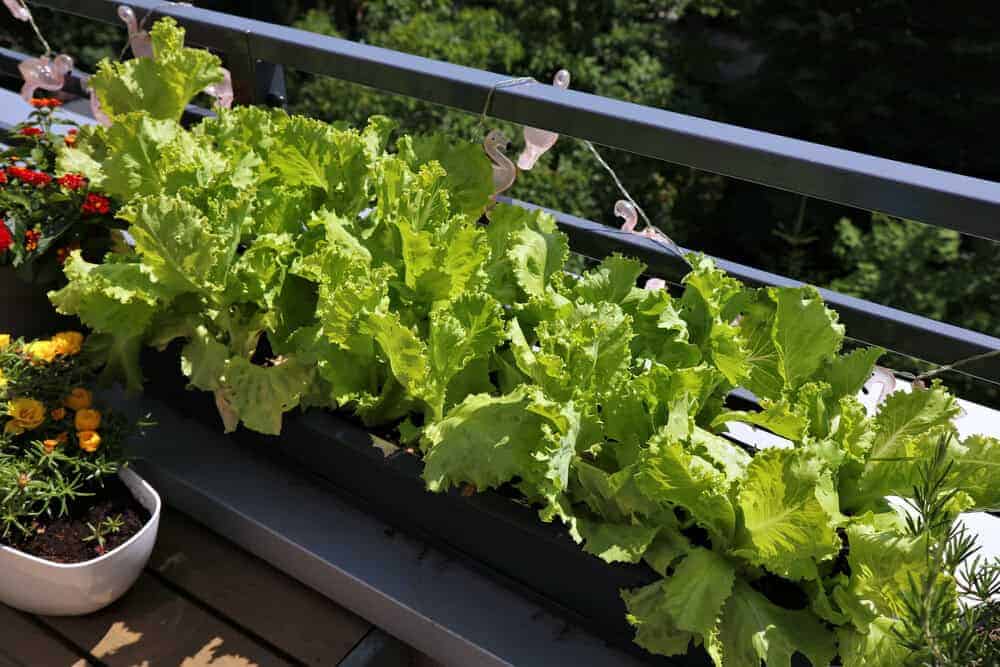
Slim rectangular planters let you transform a narrow apartment balcony into a secluded green sanctuary without giving up your favorite outdoor chair. By picking lightweight, weather-resistant boxes and tall, slender plants, you gain lasting privacy and easy portability whenever moving day arrives.