
Hey friends, April has arrived, and what a perfect moment to don our gardening gloves and dive right into our beloved patches of green. You’ve heard it before: April showers usher in those gorgeous May flowers. With nature in full-on spring mode, we’ve got a golden ticket to shape our gardens into something truly spectacular for the rest of the year. It’s our time to guide our green havens through this burst of growth, armed with a handy checklist of all the things to do this April. So let’s get stuck in and get on top of those April gardening jobs!

This is the month when our gardening efforts start to pay off in beautiful ways—it’s thrilling to see those late daffodils pop and perennials toss away winter’s blanket. We’re out there, giving our tools a once-over, getting up close and personal with the earth, and maybe even starting to dabble in the joys of early lawn care. Sure, it’s a bustling period, but with a bit of friendly advice to steer us through the important bits, we’re all set for a garden that’s the picture of health and zest.
Our April to-do list is all about the essentials: pulling weeds, sowing new life, planting, and spreading that all-important mulch. Plus, it’s a fantastic time to get those strawberries in the ground and pamper our daffodils, so they’re show-stoppers next spring. Every bit of effort we put in now is a step toward a lush, thriving garden as the seasons roll on. So let’s soak up the extra daylight and get our gardens ready for action—it’s an absolute joy to be out there with our hands in the dirt!
Preparing Your Garden
In April, we’re presented with a fresh start for our gardens. It’s our chance to assess, clear out the old, and enrich the soil, ensuring our plants have the best environment to flourish.
Assessing Your Garden’s Needs
First off, we take a good look around our garden to evaluate what’s necessary. It’s a good time to note areas with poor drainage or soil that looks spent. This assessment helps us identify which parts need the most attention.
- Drainage: Moist soil is ideal, but standing water indicates a problem.
- Soil fatigue: If the soil surface appears crusty or lifeless, it’s a cue for action.
Clearing Weeds and Debris

Next, we need to tackle the weeds that have taken root. April is when we want to get ahead and get on top of weeds:
- Hoe the beds and borders, targeting the roots of weeds.
- For patios and paths, consider weed killer where appropriate.
- Remove any garden debris which can harbour pests.
This clear-out prevents future weed issues and pest problems, setting the stage for a tidy garden.
Refreshing Soil and Adding Compost

Let’s nourish the soil. A layer of mulch and adding compost from the compost bin are key moves in April.
- Fresh Compost: Work homemade compost or well-rotted manure into the top few inches of the soil.
- Mulch: Apply a layer of mulch to suppress weeds and retain moisture.
Sprinkle organic matter such as garden compost to help rejuvenate and improve soil structure. This is also the period for mixing in a good amount of homemade compost, which provides nutrients as it breaks down.
Lawn Care and Establishment
April’s warmth breathes life into our lawns, making it the perfect time to focus on lawn care and establishing healthy grass. We need to pay attention to repairing bare patches, keeping the lawn edges neat, and perhaps even considering laying down a new lawn.
Repairing Bare Patches
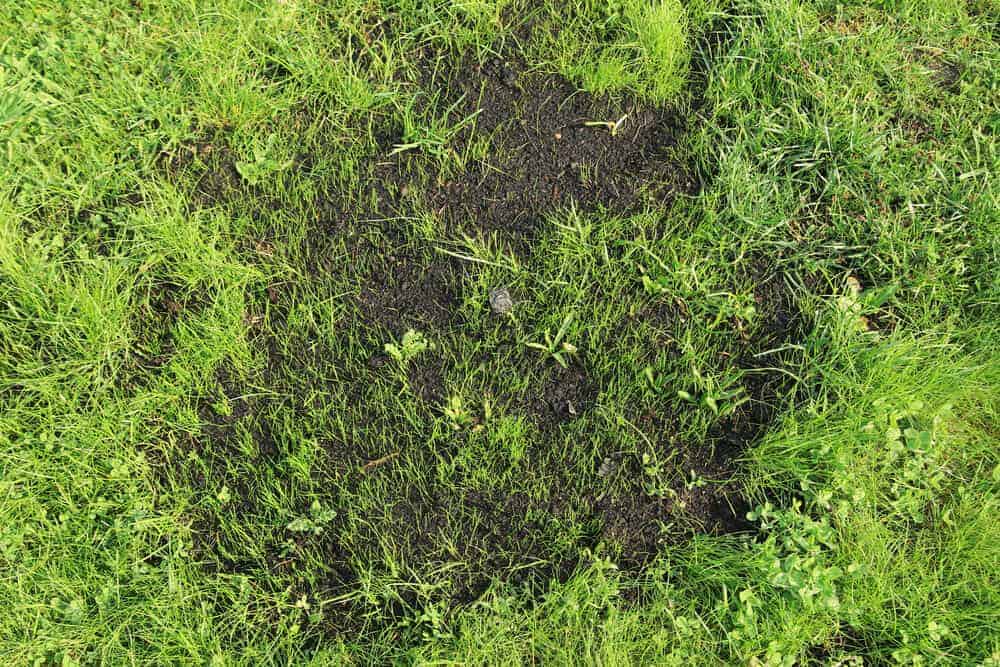
Firstly, let’s address those unsightly bare patches on our lawns. We want to act quickly before weeds take the opportunity to settle in.
- Select Lawn Seed: Choose a seed mix that matches the existing lawn or opt for a hard-wearing mix for high-traffic areas.
- Prepare the Soil: Rake over the area to remove dead grass and loosen the topsoil.
- Sowing: Sow grass seed evenly, then lightly rake them in. Water the area gently to avoid washing seeds away.
Always adjust the type of grass to your local climate and see how it responds throughout the seasons. Putting down drought tolerant grass in areas that receive less water ensures your lawn stays green and healthy even during dry spells. This choice also reduces the need for constant watering, saving both time and resources. Over time, it creates a more resilient and sustainable lawn.
Mowing and Edging
Consistent mowing and edging are key to a well-maintained lawn. As April brings about more growth, our mowing frequency increases.
- Lawn Mower Maintenance: Ensure the mower blades are sharp for a clean cut.
- Mowing Height: Set the mower to a higher height initially; we can lower it as the month progresses.
- Edging: After mowing, use a pair of long-handled shears to trim the edges for a crisp finish.
Setting Up a New Lawn
Whether we opt for lawn seed or new turf, establishing a new lawn is quite a rewarding process.
- Preparation:
- Clear the area of stones and weeds.
- Level the ground and add a thin layer of topsoil.
- Laying Turf: Lay turf by starting from the edge of the lawn, ensuring pieces are tightly pushed together.
- Sowing Seed: If sowing seed, follow similar steps to repairing bare patches but on a larger scale.
Remember, a well-established lawn by the end of the month adds vibrant greenery to our gardens. Whether we’re patching up or starting fresh, let’s give our lawns the attention they deserve this April.
Planting and Pruning Shrubs
In April, our gardens are waking up, and it’s a critical time for planting and pruning. We’ll ensure our plants have the best start and maintain the health of our existing shrubs. Proper planting and careful pruning can drastically improve the vitality of our garden.

Caring for Early Spring Planting
When planting new shrubs, we take great care to position them correctly in our gardens, considering each plant’s sunlight and soil needs. For fruit trees, it’s vital to plant them at the correct depth and to apply mulch, but not to let it touch the trunks, avoiding any risk of fungal disease. Regular watering is key, especially in dry spells, to ensure our new plants establish themselves for a bountiful harvest in the years to come.
Pruning Frost-Sensitive Plants
April is the time to prune frost-sensitive plants. Prune forsythia and the old hydrangea blooms. We prune them right after the last frost because they have protected next year’s blooms and new growth. Take a look at your strawberry plants and cut back the dead leaves and stalks ready for the young shoots to emerge. Here’s a brief step-by-step guide:
- Identify old growth: Look for thicker, older stems that may not be producing as many flowers.
- Prune with care: Cut back around a quarter of the old stems to ground level to encourage rejuvenation.
- Shape the plant: Lightly trim the rest of the shrub to maintain its shape and size.
Managing Evergreens
We take a lighter approach when pruning evergreen trees since they don’t require heavy pruning. Our goal is to remove any dead or diseased branches and to shape as needed for size control or aesthetics. Here are the key considerations:
- Assessment: Identify any branches that need trimming—whether for health or shape.
- Proper tools: Use sharp secateurs or loppers for clean cuts to avoid damage.
- Timely care: Prune early in the month to allow cuts to heal before the hotter weather raises the risk of fungal infections.
Cultivating Your Vegetable Patch
As April brings the promise of spring warmth, we turn our attention to our vegetable gardens, gearing up for a productive season. It’s time to plan and plant a variety of veggies, while also protecting them from the unpredictable late frosts that April may still present.

Planning and Planting Vegetables
We begin our April gardening by selecting the right vegetables to sow this month. It’s an excellent time to plant main crop potatoes in our kitchen gardens. When planting main crop potatoes, it’s best to dig individual holes at least 15cm deep and space each seed potato about 45cm apart in both directions.
Additionally, we can sow several other vegetable seeds directly into the soil:
- Root vegetables: such as beetroot and carrots, favour the loosened, aerated soil of spring.
- Leafy greens: spinach and lettuce can be started in the ground.
- Alliums: spring onions are a great way to add flavour to our dishes and are simple to grow.
Vegetable Sowing Guide
| Vegetable | Sowing Depth | Spacing | Tips |
|---|---|---|---|
| Main crop potatoes | 15cm | 45cm x 45cm | Plant in well-drained soil with compost. |
| Beetroot | 2cm | 10cm apart | Sow in rows for easy thinning. |
| Spinach | 1cm | 30cm rows | Requires consistent moisture. |
| Spring onions | 1.5cm | 15cm apart | Prefers a sunny position. |
Protecting Against Late Frosts
Despite the beckoning of spring, late frosts can still pose a threat to our tender plants. To safeguard our young seedlings, we utilise horticultural fleece or cloches as protective coverings during the night when the threat of frost is highest.
Protective measures include:
- Covering vulnerable plants with horticultural fleece before dusk.
- Monitoring local weather forecasts for frost warnings.
- Placing cloches over particularly sensitive crops.
By attentively planning and planting our vegetable garden, we create a foundation for bountiful harvests. Meanwhile, vigilance against late frosts ensures that our early efforts will flourish into the season.
Seeding and Propagation
At this time of year, we’re all eager to start nurturing new life in our gardens. As the days get longer and warmer, it’s crucial that we properly start our seeds indoors and prepare them for the transition outdoors to achieve the best results. All you need is old egg cartons and a windowsill!

Starting Seeds Indoors
In early spring, we start our seeds indoors to give our plants a head start. It’s essential to consider the following:
- Choosing the right seeds: Select varieties suited for our climate and the current growing season.
- Seed trays and pots: Use clean containers with good drainage. A heated propagator can also assist with germination.
- Soil medium: Sterilised seed starting mix is best to avoid disease and promote healthy root growth.
- Lighting: Position seedlings in a sunny spot or under grow lights to ensure they get at least 12 hours of light each day.
Here’s a simple table to guide us on what to sow:
| Vegetables | Flowers | Herbs |
|---|---|---|
| Tomatoes | Marigolds | Basil |
| Peppers | Petunias | Chives |
| Lettuce | Zinnias | Coriander |
Transitioning to Outdoors
When seeds have grown into sturdy seedlings, it’s time to transition them outdoors:
- Acclimatisation: Gradually expose seedlings to outdoor conditions using a cold frame or placing them outside during the day.
- Timing: Wait until the threat of frost has passed and the soil has warmed, typically in late spring.
- Location: Choose a sunny and sheltered area in your garden to encourage growth.
- Soil preparation: Enrich garden soil by working in compost a couple of weeks before planting out.
Seeds To Start Sowing In April
In April, you can start sowing a variety of seeds. Here’s a list of some seeds suitable for sowing during this month:
Flower Seeds To Sow for your April garden
– Alyssum
– Amaranthus
– Borage
– Calendula
– Cornflowers
– Cosmos
– Marigolds
– Nasturtiums
– Zinnia
– Chocolate Flower
– Columbine
– Hollyhock
These flowers offer a range of colors, heights, and blooming periods, so you can create a diverse and vibrant garden. Remember to check the specific growing instructions for each flower species, as some may require starting indoors before being transplanted outside.
Vegetable Seeds To Sow for your April garden
In April, you can start sowing a variety of vegetable seeds. Here’s a list of some vegetable seeds suitable for sowing during this month:
– Sweet corn
– Cucumbers
– Summer squash
– Bush beans
– Runner and pole beans
– Warm-season herbs
– Aubergines
– Chillies
– Tomatoes
– Beetroot
– Carrots
– Celeriac
– Courgettes
– Squashes
– Leeks
Following these steps will ensure our plants are resilient and ready for the vibrant growing season ahead. Remember, sowing grass seed now is also ideal for a lush lawn as the weather continues to improve and we have much warmer days.
Water Management Strategies
We must focus on efficient water management as we prepare our gardens for the coming warmer months. We’ll explore how to set up a water butt for rainwater collection and the importance of ensuring proper drainage to keep our plants healthy with just the right amount of water.
Setting Up a Water Butt

A water butt is a fantastic way to harness the unpredictable April showers. It’s simple:
- Choose a location: Near a downpipe is perfect.
- Install a diverter: Attach this to your downpipe to channel rainwater into the butt.
- Secure the butt: Ensure it’s on a stable base so it won’t tip over when full.
By collecting rainwater, we’re not only saving on water bills, but we’re also providing our plants with natural water that’s free from chemicals often found in the tap variety. Plus, it’s a small step towards sustainable living that makes a big difference in our garden’s ecosystem.
Ensuring Good Drainage
Good drainage is critical to prevent waterlogging, which can lead to root rot and other issues. Here’s what we can do:
- Assess your soil: If it’s heavy clay, consider mixing in grit or compost to improve texture and drainage.
- Create raised beds: They promote drainage and root growth.
- Regular maintenance: Clear debris from drainage holes in pots and check the soil for compactness.
Remember, while we might worry about not giving our plants enough water, over-watering can be just as harmful. By ensuring good drainage, we protect our gardens from retaining too little or too much water. It’s all about balance for us and our plants to thrive.
Supporting Growing Plants
In our April gardens, it’s crucial we give our plants the support they need to flourish. By staking new growth and keeping a close eye out for diseases and pests, we ensure not only the health of each plant but also the overall wellbeing of our garden.

Staking and Supporting New Growth
During April, many of our plants exhibit vigorous new growth that requires support to thrive. Here’s how we go about it:
- Stake tall plants: Tall species like delphiniums and foxgloves can get quite top-heavy. We use bamboo canes or metal stakes to keep them upright.
- Create support structures: For plants such as peas and beans, we construct frameworks using netting or trellises, encouraging them to climb, which also promotes good air circulation.
- Secure loosely: When tying plants, we use soft materials such as twine or strips of fabric and tie them loosely to avoid damaging the stems.
Monitoring for Disease and Pests
Keeping our plants healthy involves more than just physical support; we must also protect them from diseases and pests:
- Inspect regularly: We keep a close eye on our plants, checking for any signs of stress or infestation.
- Encourage air flow: By spacing our plants correctly and pruning where necessary, we make sure there’s good air circulation to minimise the risk of fungal infections.
- Act promptly: At the first sign of trouble, whether it’s aphids, slugs, or mildew, we act swiftly with the appropriate remedy to stop the problem in its tracks.
Flower Beds and Borders
In April, we get to enjoy the heart of spring gardening by sowing new seeds and managing our perennial plants. Our flower beds and borders beckon for attention, making it the perfect time to introduce new life and reinvigorate the existing flora.

Sowing Flower Seeds
Sweet peas are a classic choice for sowing in April. Their delightful fragrance and climbing nature can add both height and character to our garden spaces.
- What to Sow: It’s the ideal time to sow half-hardy annuals directly into the soil. Ensure the soil is well-cultivated and that you have a fine tilth – a perfect seedbed for new plants. Look further back up the post for more flower seeds to sow!
- Sowing Technique: Scatter the seeds evenly and cover them with a light layer of soil. Water gently but consistently to keep the soil moist for germination.
Dividing and Transplanting Perennials
Now is a great time to divide clumps of perennials. We do this to maintain vigour and to encourage bountiful displays for years to come.
- Identifying New Shoots: Look for new shoots signaling that it’s time to divide. Perennial plants like daylilies and hostas often benefit from this practice.
- How to Divide:
- Gently lift the clump from the ground.
- Tease apart or slice through the clump, ensuring each section has roots and shoots.
- Replant the divisions at the same soil depth they were growing at originally and water well.
By staying on top of these tasks, we keep our flower beds and borders looking fresh and lively throughout the growing season.
Maintaining Garden Tools
As we step into April, a busy month for gardening, it’s crucial to make sure our garden tools are in top condition. We always begin by giving them a good cleaning. It’s a task best tackled with a bit of enthusiasm and the right techniques.
- Start by removing soil. For stubborn clumps, we use a sturdy brush. If there’s any sap or resin, a bit of white spirit on a rag works wonders.
- Next, inspect for rust. If we find any, we use sandpaper or a wire brush to gently scrub it away.
- We take a bucket of clean sand mixed with mineral oil and thrust our spades and trowels in and out. This not only sharpens the edges but also gives them a protective oil coating.
After we’ve given our tools a good scrub, we make sure they’re completely dry to sidestep any rust in the future. Next up, we give our shears and secateurs a nice sharpening to guarantee they make clean, precise cuts that won’t harm our beloved plants. A trusty sharpening stone is all we need for this task.

To keep things running smoothly, we adopt the practice of cleaning our tools after every gardening session. Even a quick wipe-down goes a long way. And naturally, slipping on a pair of gardening gloves is a smart move to keep our hands protected and dirt-free while we work!
When it’s time to refresh our toolkit or maybe treat ourselves to an upgrade, we pop over to the local garden centre for some top-notch selections. We tuck our tools away in a dry, safe spot to protect them from the weather and make sure they’re handy for the next round of gardening.
By taking this extra care with our garden tools, we’re paving the way for an easier and more fruitful time in the garden, especially now that we’ve got those longer, sun-filled days to enjoy.
Checklist of April Garden Jobs
Here’s a table with a checklist of jobs to do in the garden in April:
| Task | April Gardening Jobs |
|---|---|
| Soil Preparation | – Remove weeds – Turn over and amend soil |
| Planting | – Sow hardy annual seeds – Plant summer bulbs – Plant potatoes, onions, and garlic |
| Lawn Care | – Begin mowing as needed – Apply spring lawn fertilizer – Reseed bare patches |
| Pruning & Training | – Prune spring-flowering shrubs after blooms – Tie in climbing and rambling roses |
| General Maintenance | – Clean and sharpen garden tools – Install supports for peas and beans – Mulch beds to conserve moisture |
| Pest & Disease Control | – Monitor for slugs and snails – Check for signs of disease |
| Watering | – Begin regular watering as temperatures increase |
| Feeding | – Feed fruit trees and bushes – Fertilize emerging perennials |
| Propagation | – Divide and transplant perennials – Take cuttings from shrubs |
| Greenhouse & Indoor | – Ventilate on warm days – Start tender vegetable seedlings indoors |
Final thoughts
As we wrap up our journey through the April garden, remember that this month is a time of growth and renewal. Whether you’re tending to your established plants or sowing new seeds for the season ahead, each task you complete is a step towards a lush and bountiful garden. Embrace the longer days and warmer weather as an opportunity to connect with nature and enjoy the simple pleasures of gardening.
Don’t forget to take a moment to appreciate the beauty of spring blooms and the promise of harvests to come. If you’ve followed along with our April gardening jobs, you’re well on your way to creating a vibrant outdoor space that will bring joy throughout the year.
Happy gardening, and here’s to a fruitful April filled with the rewards of your hard work! Remember, every seed planted and every weed pulled is a testament to your dedication to your garden’s health and beauty. Keep up the great work, and I can’t wait to see what May brings for us garden enthusiasts!