
Creating a tranquil outdoor space that children will enjoy can seem like a challenging task. However, with some thoughtful planning and design, you can create a garden that provides a peaceful retreat for both children and adults. A child-friendly tranquil garden should stimulate young imaginations while also promoting relaxation and connection with nature. Follow these simple tips to design a garden that achieves tranquillity and suits the needs of children.

Provide Plenty of Green Space
Don’t overwhelm the garden with too many built elements. Leave open stretches of lawn where children can run freely and lie on the grass to cloud gaze. Trees, shrubs, and flower beds are essential, but make sure to allow enough green space for active play. You can segment the open areas into zones for different activities like play structures, sandbox play and lawn games.
Incorporate Natural Elements
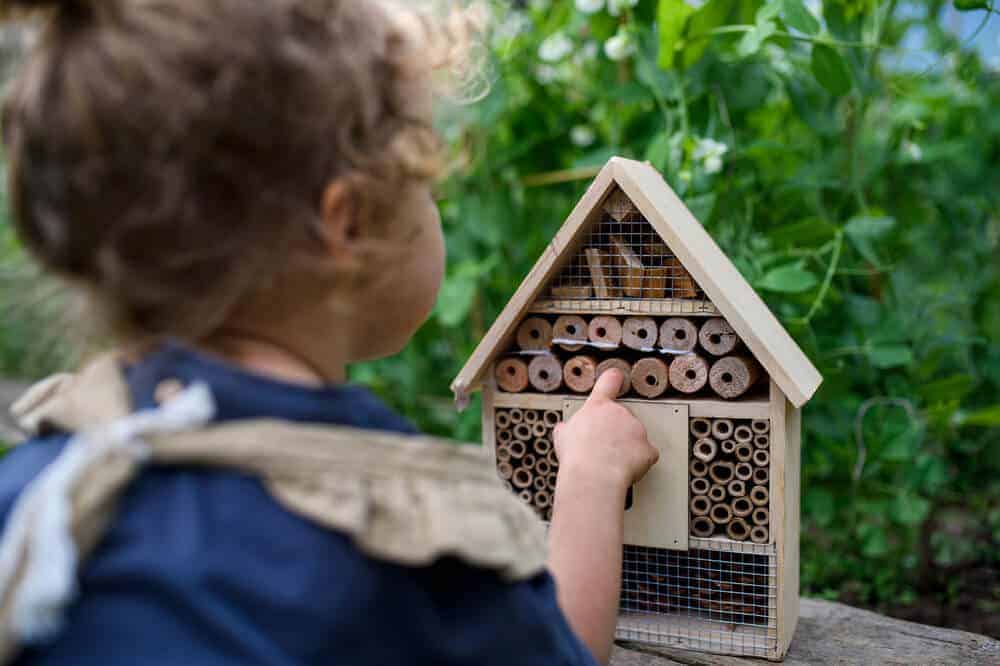
Children are inherently fascinated by nature. Create cosy spots for bird watching or insect discovery. Have a small pond with lily pads and frogs, build a log pile insect hotel or include a butterfly bush to attract winged creatures. Provide tools like magnifying glasses and bug catchers to engage children’s innate curiosity. Exposure to nature has proven benefits for mental health and development.
Design Secret Spots
Children love hidden, private nooks just their size. This is particularly true for foster children from fostering agencies like orangegrovefostercare.co.uk. These children often need space away from the hustle and bustle of everyday life. If you’re fostering a child, tuck away a few special spots in the garden, like a playhouse under trees or a reading corner surrounded by shrubs. Use logs, boulders, trellises, or tall plants to divide the space and create a sense of intimacy. Add cute amenities like a miniature bench or tiny table and chairs. These secret spots allow children to disconnect from the buzz of daily life and be alone with their thoughts.
Include Areas for Arts and Crafts
Open up children’s creativity by designating zones for arts and crafts. Build a potting bench for planting seeds and sorting finds from nature. Use chalkboard paint on walls or fences for colouring. Set up an easel and art cart filled with supplies. Have a section of the patio or deck for painting and messy projects. Let the garden inspire the imagination through artistic expression.
Provide Places for Pretend Play
Fuel pretend play by incorporating child-sized elements. Miniature structures like playhouses, stores, castles, or ships encourage imaginative narratives. Designate a truck and digger zone with sand. Use hollow logs as tunnels. Dress-up clothes and prop boxes stimulate creative and cooperative play. Through pretending, children make sense of the world.
Provide Seating and Gathering Areas
Design cosy spaces for the whole family to gather, rest and recharge. Have seating for adults like garden benches or patio chairs. Include child-size options like cushions, beanbag chairs or a hammock. Use sculptures, arbours, or tall plants to define the different seating areas. Place a table near the adult seating for board games or other activities. Gathering spaces allow for quality time together and strengthen family bonds.

Creating a garden that is tranquil yet child-friendly may seem difficult, but following these simple principles can help. Focus on providing open green space, natural elements, private nooks, and places for play and creativity. With mindful design, you can cultivate an outdoor sanctuary that nurtures the mind, body, and spirit of the whole family.