
Cognac is a type of brandy that comes from a specific region in France called the Charente. It has been produced since the 17th century, although its history goes back much further.
There are many theories about who originally invented this drink and where it originated from! One such theory states that Arab merchants brought distilled alcohol to France over 1,000 years ago. It was around the same time that monks started making wine in order to stay warm during winter months when they lived in caves on top of mountains near the ocean’s shoreline. These monks would have used an alembic still when distilling their own version of cognac.
The process of a production
While some people think that cognac comes from grapes, it actually comes from wine, specifically, the distillation of fermented grape juice. The name “cognac” actually refers to this specific place where it was first produced (and still remains today), but today there are many other regions around the world that make similar spirits using different recipes and methods.

Cognacs are typically aged for several years in oak barrels before being bottled with their age on the label. However, even though they’re aged for so long, it’s important not to confuse them with whiskeys or bourbons. The latter drinks are also aged but tend to be filtered through charcoal before bottling not to disturb their color or flavor profile.
Cognac, being distilled from wine, has a flavor that is reminiscent of wine. To a large extent, the flavor of eau-de-vie is determined by the wood used to age it, which is why oak barrels are such an integral part of the process. Candy and citrus aromas come through in a good cognac.
Since high-quality cognac can only be sweetened with 1.5 grams of sugar per liter, it is typically quite dry. The tannins in an old cognac combine to make for a velvety, smooth mouthfeel. Younger cognacs, however, have a more robust flavor and a spicy aroma, giving them a more youthful personality.
Cognac is labeled by its age
You may have heard of the terms XO and VSOP. These are both classifications of cognac that indicate how long a bottle has been aged.
XO refers to a drink that’s been aged at least six years in oak barrels, while VSOP means it’s been aged for at least four years in oak barrels. This is significantly longer than the standard period of cognacs’ aging, which usually only requires two (VS) or three years.
The color of cognac depends on the age
As you might expect, the longer a spirit is aged, the darker its hue will become. In fact, while younger cognacs have a lighter hue than older ones (ranging from clear to amber), they actually come in an array of colors:
- white (blanc),
- gold (yellow),
- yellow-greenish brown (vert), and
- red or purple (rouge).
More expensive brands will typically be aged for longer before being sold; this ensures that they have developed their full flavor profiles over time.
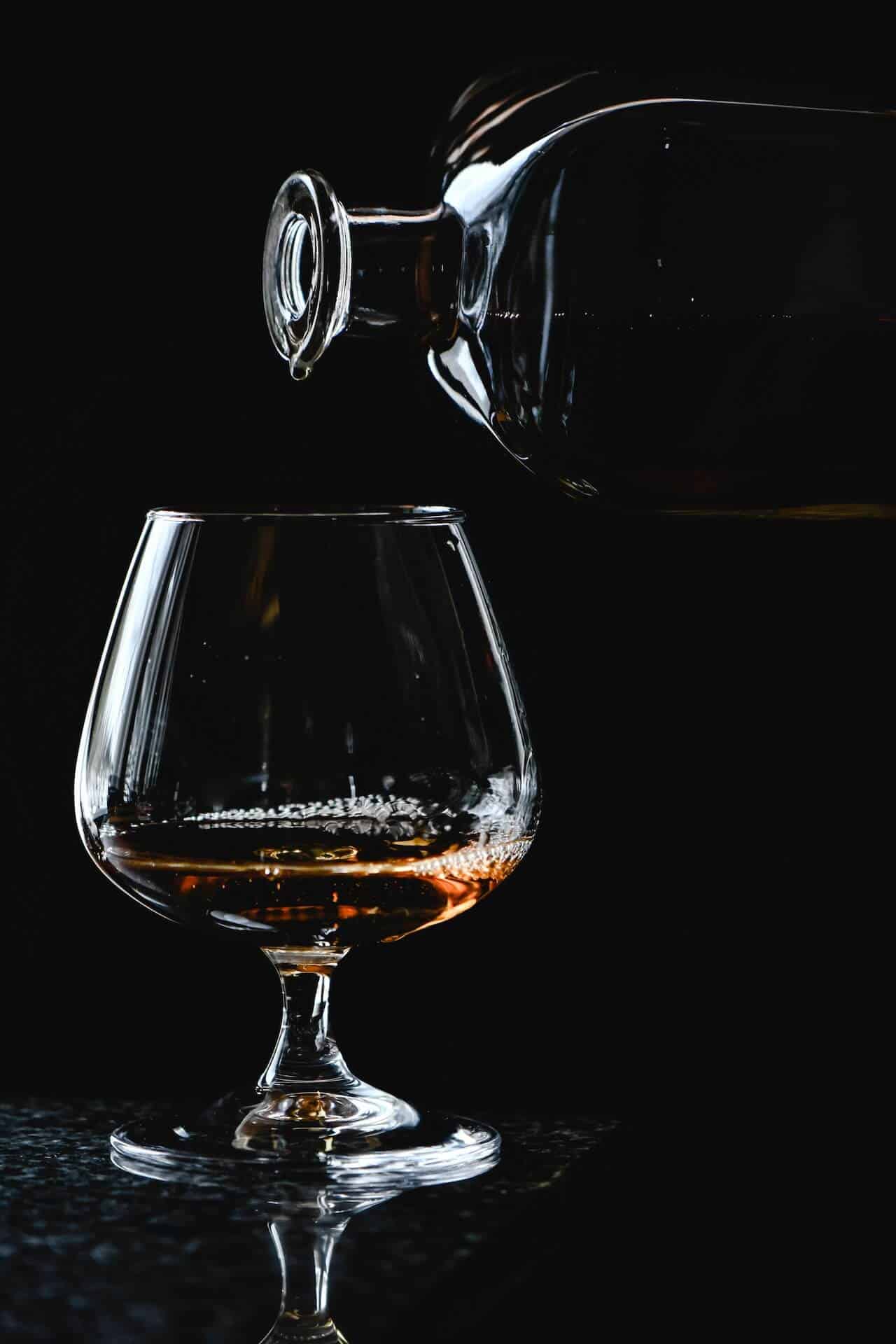
Most people enjoy drinking cognac after dinner, but it is not a rule
Cognac is the perfect drink to enjoy any time of day. Not only can it be enjoyed before dinner, but also after, and even during!
- Consider pouring yourself a glass before your meal. This will help you relax and enjoy the food more, as well as get in the mood for some good conversation with your friends or family members at the table.
- If you’re having guests over for dinner who aren’t familiar with cognac yet and you would like them to try it out before they start their meals, have them sip on some while they wait for everyone else’s arrival.
Toasting
Toasting with cognac involves clinking glasses, not touching glasses together. The reason for this is that clinking your glass to someone else’s is a sign of friendship and respect. It’s also a way for you to show them how much you appreciate them, which can be especially important if you’re drinking with someone who is older than you or has more experience than you.