
Let’s be honest, our brains could use a little extra love these days. Between the never-ending scroll of social media and the fast pace of everyday life, our minds don’t always get the chance to stretch in the right ways. That’s where brain-boosting hobbies come in. Think of them like a gym for your grey matter, but with more fun and less sweating. So if you’re 25 or 75, there’s always room to sharpen your mind in joyful, surprising ways!

Why Your Brain Loves a Challenge
Just like your muscles crave movement to stay strong, your brain thrives on novelty, complexity, and engagement. Challenging your mind with new activities strengthens cognitive reserves, improves memory, and can even stave off cognitive decline. The good news? You don’t need a PhD or a subscription to a fancy brain-training app. Sometimes, all it takes is a playful, purposeful hobby.
Learn a New Instrument
Picking up a musical instrument is like giving your brain a full-body workout. It taps into memory, coordination, auditory processing, and emotional interpretation all at once. Don’t worry if you’re not Mozart. The process of learning, not perfection, is where the magic happens. Guitar, ukulele, piano, or even drums can fire up parts of your brain that have been snoozing for years. Plus, there’s something incredibly satisfying about finally nailing that tricky chord progression.
Get Your Hands Dirty (In the Best Way)
Gardening might seem like a slow-paced, earthy pursuit, and it is. But it’s also a stealthy brain booster. Planning a garden layout, tracking planting schedules, and nurturing growth over time all activate spatial awareness, long-term planning, and mindfulness. Plus, there’s emerging evidence that microbes in soil can trigger serotonin production. That’s right, gardening might literally make you happier.
Play Strategy Games
Board games aren’t just for kids or quirky game-night couples. Strategic games like chess, Go, or even Settlers of Catan can improve critical thinking, pattern recognition, and decision-making skills. These types of games encourage you to think ahead, anticipate outcomes, and adjust plans dynamically, all of which are golden skills for brain health. Bonus: Playing with others adds a healthy dose of social interaction, which is another major win for cognitive function.
Learn a New Language
Ever wish you were bilingual? Good news: It’s never too late. Learning a new language rewires your brain in fascinating ways. It improves memory, focus, and problem-solving skills. Even dabbling in basic vocabulary or practicing with language-learning apps can create new neural pathways. Better yet, immerse yourself by labeling household items in your new language or trying to think about them during routine tasks. Small changes, big brain gains.
Try Improvisation or Theater
Taking an improv class might sound terrifying, but hear me out. It’s one of the most stimulating, playful ways to flex your cognitive muscles. Improv forces you to think on your feet, adapt quickly, and stay present. Plus, laughing and connecting with others? That’s rocket fuel for your mental well-being. Local community theaters often welcome beginners, and even online classes can give you a fun mental jolt.
Do a Word Search (Yes, Seriously)
It might feel old school, but a classic word search still packs a punch. Scanning for patterns, recalling vocabulary, and working through grids can activate multiple areas of the brain, especially the visual and language centers. Keep a puzzle book by your bedside or download a word search app for a quick cognitive pick-me-up on your lunch break.
Cook Something Complicated
Cooking can be meditative. But when you tackle something intricate, like baking sourdough from scratch, perfecting sushi rolls, or recreating a dish from your favorite travel memory, your brain lights up. Following a recipe, measuring ingredients, and timing everything just right, it’s a symphony of sequencing, memory, and precision. Plus, you get to eat your hard work. Win-win.
Take Up Drawing or Painting
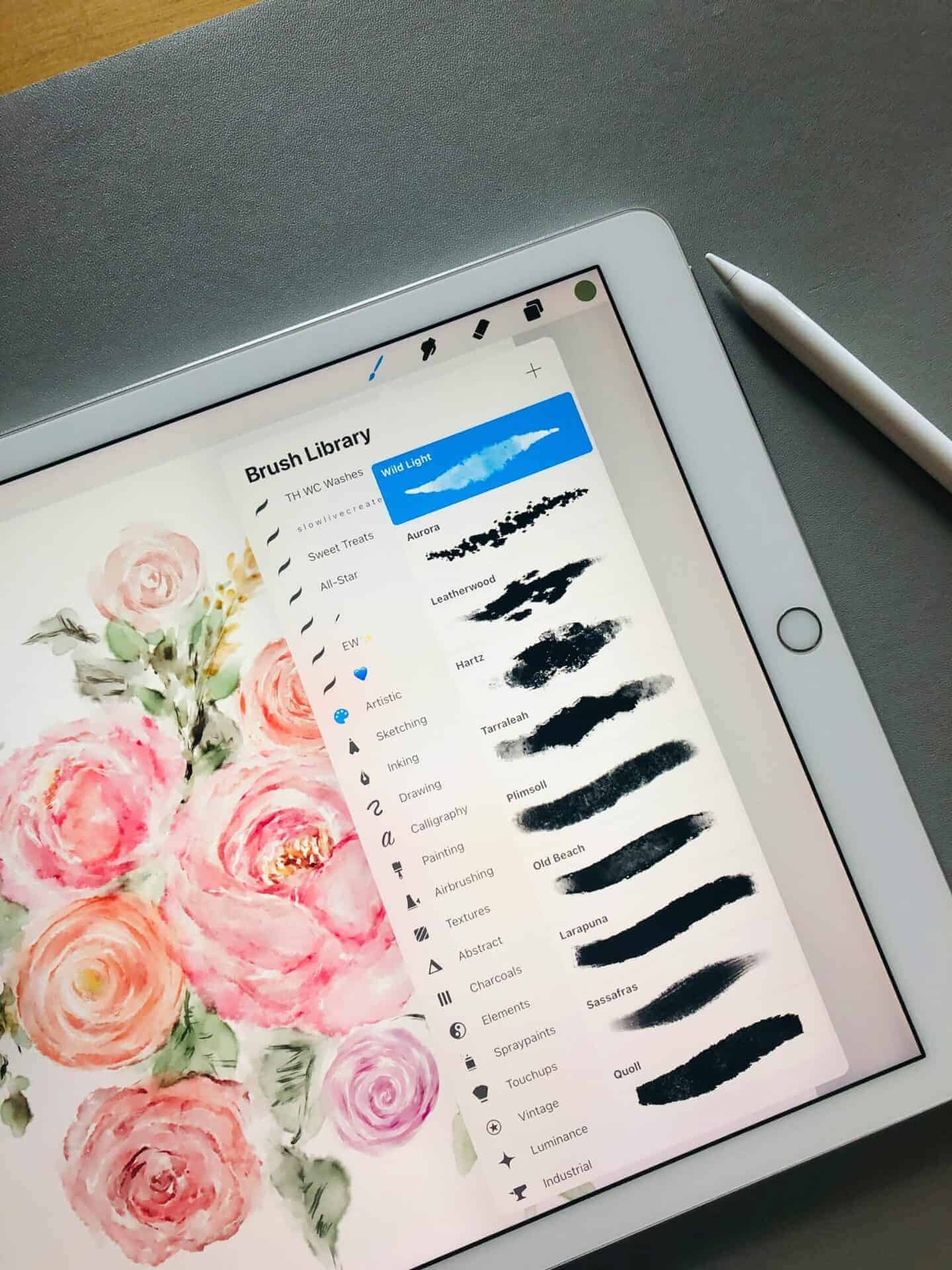
You don’t need to be a professional artist to benefit from putting pen (or brush) to paper. Drawing and painting encourage observation, focus, and creative problem-solving. It trains your brain to see details, textures, and perspectives in new ways. Sketch your surroundings, join a local art group, or follow YouTube tutorials. Even simple doodling can help process emotions and de-stress.

Try Juggling or Learn a Physical Trick
Juggling isn’t just for circus performers. Learning a new motor skill, especially one that challenges your coordination and timing, boosts neural plasticity. It demands concentration, hand-eye coordination, and split-second adjustment. All of which are excellent for brain health. If juggling feels a step too far, try learning magic tricks or balance exercises. Your brain will thank you for the challenge.
Meditate With a Twist
Yes, we all know meditation is good for us. But if traditional stillness makes your mind wander, consider active meditation: mindful walking, tai chi, or even coloring intricate mandalas. These forms blend focus with movement or visual stimulation, helping your brain unwind while still staying engaged. Mindfulness has been linked to increased grey matter in the brain—the stuff responsible for memory and emotion regulation.
Build Something (Anything!)
Whether it’s assembling IKEA furniture, building a birdhouse, or constructing elaborate Lego cities, the act of making things engages both logical and creative parts of the brain. Spatial reasoning, problem-solving, and fine motor skills all come into play. Tinkering also brings a satisfying sense of accomplishment, which gives your brain a nice little dopamine reward.
Write for Fun (Or for Real)
Writing is a superpower. Whether you’re journaling, composing poetry, writing short stories, or simply jotting down daily reflections, it helps organize thoughts, access memory, and engage your imagination. Regular writing can improve clarity of thought, emotional intelligence, and even long-term memory. Start with 10 minutes a day. You might be surprised by what pours out.
Volunteer or Mentor
One of the most overlooked mental workouts? Being needed. Volunteering and mentoring put you in situations where you problem-solve, connect emotionally, communicate clearly, and adapt to different people and situations. These roles keep you mentally active while offering the bonus of social engagement and a sense of purpose, a powerful combo for mental resilience.
Learn to Dance
Whether it’s salsa, hip-hop, ballroom, or ballet, dancing combines physical movement with mental challenge. You need to memorize steps, respond to rhythm, stay coordinated, and often work with a partner. Studies show that dancing reduces the risk of dementia more than many other physical activities. It’s fun, too—and who doesn’t need more joy in their life?
Start a Curiosity Journal
Every day, write down one thing you’re curious about. Then, spend a few minutes researching it. It could be why flamingos are pink, how sourdough starter works, or what causes déjà vu. Curiosity drives learning, and learning keeps your mind nimble. Over time, you’ll create a treasure trove of random knowledge and keep your brain primed for inquiry.
Build Your Own Game
Instead of just playing games, why not design one? Crafting a board game, card game, or even a simple mobile game requires logic, imagination, and problem-solving, a trifecta of cognitive power. You’ll need to balance mechanics, structure, rules, and user experience. Whether it’s a quirky trivia game or a full-blown fantasy quest, building a game flips your brain into creator mode. And once it’s done, you can gather your friends and put your mental creation to the test.
Take Nature Walks with a Purpose
Walking is great for your body, but when you add observation to the mix, it becomes a full-brain activity. Bring a notebook and jot down unusual plants, track animal footprints, or sketch what you see. Turn your stroll into a real-life treasure hunt, spotting colors, sounds, and textures you’d normally miss. This kind of mindful exploration keeps your senses sharp and enhances memory formation by associating movement with real-world stimuli. Think of it as slow-paced adventure therapy for the brain.
Revisit Old Skills with New Twists
Sometimes, the most powerful brain boosts come from circling back to hobbies you once loved. Did you play piano as a kid? Knit in college? Sketch in the margins of notebooks during meetings? Reengaging with a long-lost hobby combines nostalgia with novelty. Try approaching the old skill in a new way, learn jazz if you used to play classical, switch from knitting to crochet, or take your sketching digital. Familiar territory mixed with fresh challenges makes for a mentally rich experience that feels both comforting and invigorating.
Final Thoughts: Make It Fun, Not a Chore
The key to brain-boosting hobbies is joy. If you treat them like homework, they won’t stick. Choose what sparks your interest, not what sounds impressive. Switch it up regularly, your brain loves variety. And don’t worry about being “good” at it. Progress, not perfection, is what strengthens those neural pathways.
In a world full of passive scrolling and constant distractions, choosing to engage your mind on purpose is a radical act of self-care. So pick up that guitar, solve that puzzle, or try your first salsa step. Your brain isn’t just along for the ride, it wants to dance, laugh, build, question, and grow!
Feed it well. It will thank you with years of clarity, creativity, and resilience.