
The right classroom environment makes a huge difference in the relationship students form with math. For many students, math is often viewed as a complex, boring subject. While there may be several reasons driving this school of thought, the classes kids experience can greatly influence their opinion of math.
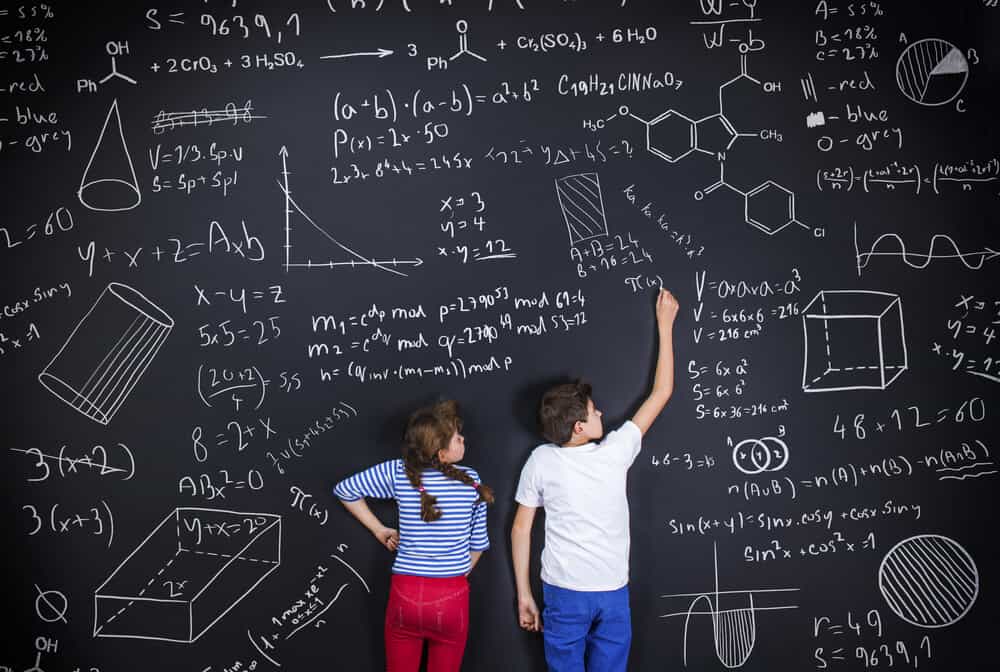
Thus, for any educator, it’s essential to create an effective classroom for students. Whether you teach math for 2nd graders or highschoolers, your math classes should achieve one goal – effective learning.
But how exactly can you build an effective math class? More importantly, what types of math classes are considered to be effective? Let’s find out.
The Qualities of an Effective Math Class
Whether you’re teaching math online or in person, the following qualities will come together to make an effective math class:
A safe environment
Many students have difficulties studying math because they’re afraid of being mocked for getting the answers wrong. Over time, they may continue to retreat into their shell, refusing to participate in classroom discussions. Consequently, this could affect kids’ assimilation and retention of mathematical concepts.
An educator should create a safe environment where this scenario has no chance of playing out. Students need to feel safe and understand that their classroom is a no-judgement zone. Even if a kid gets the answers wrong, correct them and encourage to keep trying. This way, you are building a safe and effective math class for students.
Organized materials
When it comes to learning math, students need all the materials and help they can lay their hands on. A teacher should not make fun of kids’ needs or learning choices but instead, provide them with all materials they need. For instance, if a student requires tiny sticks to count from one to ten, provide them with said sticks.
Sure, the goal is to ensure that children eventually learn how to count without the help of sticks or their fingers. However, in the meantime, help kids on their journey by providing them with the materials they need. This approach will certainly boost learning.
Needs-based learning
Here’s the thing: as our DNA and fingerprints are unique, so are our learning needs. In a classroom full of kids, each one has different learning needs. More importantly, their learning styles are equally different. According to research, most students are typically visual, auditory, or kinesthetic learners.
This means that a visual learner would prefer to study through images or diagrams, while an auditory learner would grasp information better through lectures and discussions. On the other hand, a kinesthetic learner would learn more effectively through body movement and object manipulation.
Ideally, an effective math class takes these three types of learners into account, and content is curated according to students’ specific needs. This means that everyone gets to learn and no student is left behind.
Goal-oriented objectives
Every effective math class has goals mapped out for the students each day. Before the beginning of any lesson, students have to know what the objectives and expectations are.
But why is this so important? Well, it’s simple. The awareness of learning goals helps students understand what they need to learn and as a result, they can actively work towards achieving said goal. At the end of each class, you can review the objectives to ensure that you and your students achieved every one.
Without clear objectives set in place, there would be no way to gauge how effective your class was or if your students achieved anything for the day.
Good teaching
It’s impossible to explore the qualities of an effective math class without mentioning the significant role of your teaching abilities. Whether you’re teaching physical or online math classes, your teaching abilities should be unquestionable. Basically, an effective math class begins with effective teaching.
But what exactly does good teaching entail? As we mentioned earlier, it involves needs-based teaching, which means: delivering lessons according to students’ specific learning needs and styles. But it doesn’t just end there.
Good teaching also involves portraying excellent classroom management skills. You’d need to be able to handle a classroom full of students and ensure that no one gets left behind. You’d also need to actively engage each student and efficiently utilize every second of each lesson.
Building an Effective Math Class
With that being said, here are a few further tips for ensuring that your math class is effective and productive:
Make it hands-on
When it comes to teaching math for kids, hands-on learning is an integral element that shouldn’t be overlooked. Encourage students to participate actively in lessons and practice what they’ve learned. Don’t just reel out lecture notes, expecting kids to catch up. When children learn by doing rather than listening, they retain information for longer.
Use visuals
As we mentioned earlier, many learners are either visual, auditory or kinesthetic learners. In addition to auditory-based lessons, throw in visual elements such as images, videos, charts, and diagrams.
Be supportive
Students already have it hard. Thus, an educator should avoid contributing to kids’ struggles. Be as supportive as you can and ensure that your students consider your math classes a safe space.
Final Thoughts
If you’re looking to create effective math classes for kids, you’d certainly need to put in the work. The most effective types of math classes are classes that are inclusive, goal-oriented, judgment-free, and accessible to every student regardless of their learning needs.