
There are three main learning styles that you should be aware of as a parent. If you can identify which of these learning styles is most applicable to your child, you will be in a better position to support their academic progress. For instance, it will allow you to be more mindful of how you relay information to them and what learning resources you look for. An independent school in Hampstead have put together the following information about the three main learning style to help you understand your child a little better.
Visual Learners
If your child is a visual learner, they will find it easier to absorb information by reading or viewing images and diagrams. With that said, make sure they have lots of coloured pens and paper that they can us while studying and look for books with plenty of pictures and visual cues. Visual learners typically struggle to retain information when it is presented to them verbally, so if you want to help them study it would be good to write things down for them. Perhaps you could invest in a little white board to use to help explain things to them.
Auditory Learners
As the name suggests, an auditory learner is one who tends to process information by listening as opposed to reading. They are typically easily distracted by background noise but are great communicators. If you think your child is an auditory learner you would be better explaining things to them verbally rather than writing it down. Talk to them about what they’re learning rather than encouraging them to sit in silence during homework sessions. You might also want to encourage them to listen to podcasts or audiobooks rather than reading.
Kinaesthetic Learners
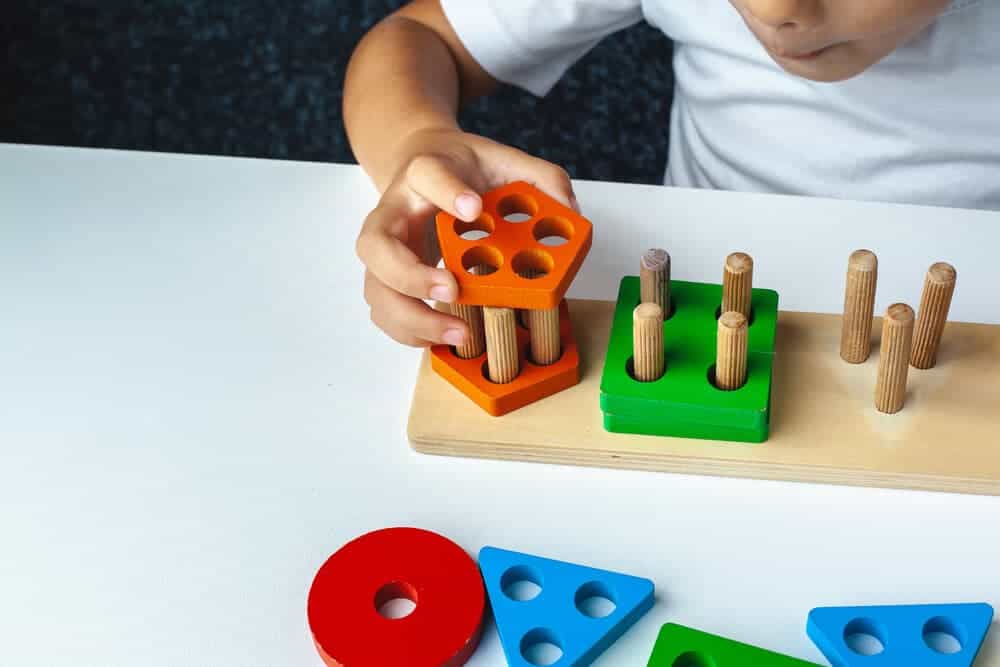
Kinaesthetic learners are typically drawn to subjects that have an element of physicality to them, such as sport, drama, or art. This is because they learn by doing and prefer hands-on activities. They might find it hard to sit still for long periods of time because they like to move around and touch things. With this in mind, if you think your child is a kinaesthetic learner, try and encourage movement and touching whilst studying. For instance, if they are learning about plants and photosynthesis, spend some time outdoors together and really engage the senses.
As a side note, it’s also worth considering your own learning style as this will influence the way you teach when you’re helping your child. Be sure to adjust your teaching methods to suit your child rather than to suit yourself.