
Environmental sensors are devices that are used to measure environmental conditions, such as temperature, humidity, light levels, and air quality. They can be used for both indoor and outdoor applications and can be installed in a variety of locations, including homes, businesses, schools, and government buildings. There are a variety of different types of environmental sensors available on the market that can provide an advanced layer of security.
Businesses are always looking for ways to be more efficient and save money. One way they can do this is by using environmental sensors. Environmental sensors can help businesses save money by reducing energy consumption, reducing waste, and improving safety. A company like Verkada can help provide businesses with a wide range of access control, security camera, and environmental sensor technology. Verkada has an all-in-one sensor that will work well for protecting your business or office building. If you are interested in an environmental sensor for your business, keep reading to learn more about the potential benefits.
Better Indoor Air Quality

The use of environmental sensors in business can monitor indoor air quality and improve the health and safety of employees. Poor air quality can cause a number of health problems, such as asthma, allergies, and respiratory infections. Environmental sensors can detect allergens, pollutants, and other toxins in the air and provide information on how to improve air quality. By monitoring indoor air quality, businesses can help protect the health of their employees and reduce absenteeism.
Optimized Processes and Operations
The use of environmental sensors can help businesses optimize their processes and operations. For example, if a business knows the temperature and humidity levels in its factory, it can adjust its production schedule to ensure that products are not produced under conditions that could lead to spoilage or defects. If a business knows the level of pollutants in the air near its factory, it can take steps to reduce those levels and improve the air quality for employees and neighbors. By using environmental sensors, businesses can become more efficient and environmentally responsible at the same time.
Proper Heating and Cooling
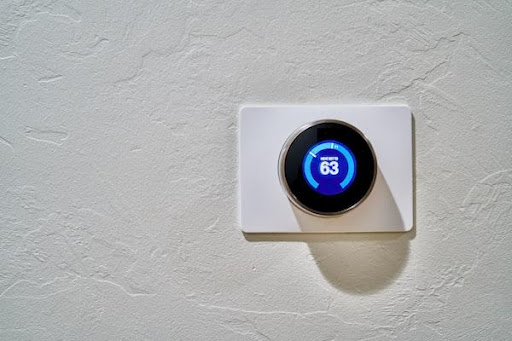
In many businesses, proper heating and cooling aren’t just beneficial for the comfort of staff members. In many cases, proper temperature levels are required for the protection of equipment. Real-time and historic sensor input can help to identify both hot and cold spots in a data center and other equipment areas. For example, sensors can indicate when an area is overheated, and the thermostat can be adjusted. Environmental sensors are essential for employing heating and cooling resources as needed to prevent equipment failure.
Water and Humidity Protection
Water incursion from faulty cooling systems or leaky pipes is a common cause of downtime. Water sensors can alert you to leaks that are dangerously close to mission-critical equipment. Similarly, humidity sensors can provide an alert when relative humidity is high. Too much humidity introduces the risk of condensation and corrosion.
Improved Energy Consumption

Environmental sensors can help businesses reduce their energy consumption and greenhouse gas emissions. By monitoring factors such as temperature, humidity, and light levels, businesses can make changes to their operations that improve efficiency and save money. For example, if the air conditioning is running too often because the building is too warm, a sensor could tell the business owner to adjust the thermostat or install window shades to keep the building cooler.
Overall, the benefits of using environmental sensors in business are vast. They can help to improve efficiency, conserve resources, and protect the environment. By understanding and monitoring the environment, businesses can make better decisions about how to operate and save money.