
There was a time when a facelift was something you could spot from across the room. The skin pulled too tight, the hairline shifted, the features frozen into an expression that didn’t quite match the person wearing it. That era still shapes how a lot of people perceive the procedure, but times have changed.
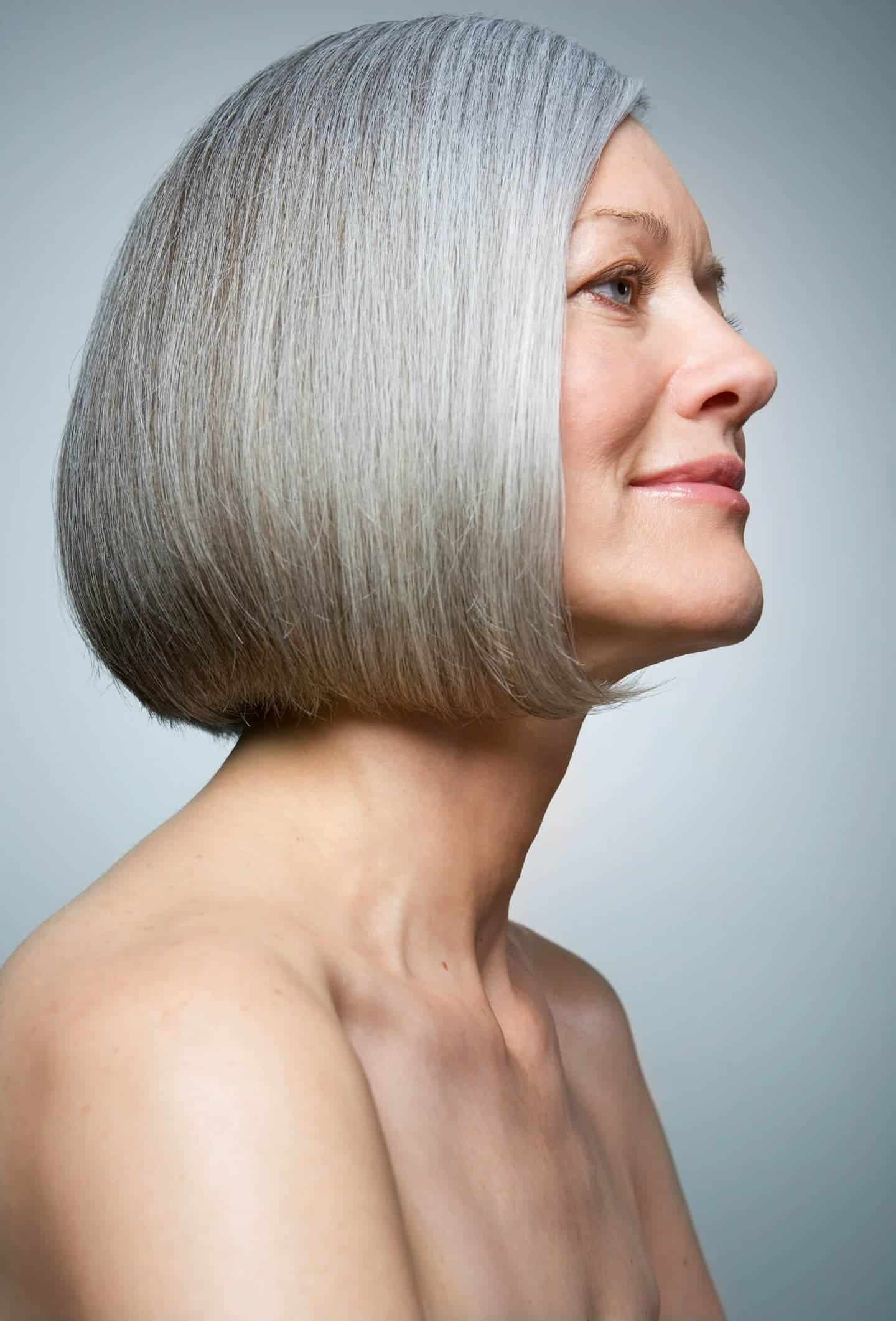
From what we’ve seen across Houston, modern facelifts, when done well, are invisible because the result looks like the person’s own face at an earlier point in time rather than a face that’s been altered. What makes modern facelift results look natural comes down to a few core factors: working at a deeper structural layer rather than pulling skin, restoring lost volume alongside lifting tissue, and aiming for balance rather than dramatic change.
Here’s what each of those actually means in practice.
The Approach Has Moved From Skin to Structure
The pulled, windswept look that defined older facelifts came from a technique that focused almost entirely on skin tension. Surgeons would pull the skin tight and secure it, which produced immediate tightening but also created visible distortion, unnatural hairline displacement, and results that faded relatively quickly as the skin stretched again.
Modern techniques work at a deeper layer, the SMAS, which stands for superficial musculoaponeurotic system. This is the layer of muscle and connective tissue beneath the skin that gives the face its structural foundation. By lifting and repositioning the SMAS rather than relying on skin tension, surgeons can achieve a genuine repositioning of descended facial tissue without distorting the surface.
The skin is then redraped with minimal tension over a structure that’s already been corrected, which is what produces a result that moves naturally and holds longer.
Volume Restoration Is Part of the Picture Now
For a long time, facelifts focused almost entirely on lifting and tightening. What that approach missed was that aging involves more than tissue descent. It also involves volume loss. The fat pads that give the face its youthful fullness shrink and shift over time, leaving hollows in the cheeks, temples, and under the eyes that tightening alone can’t address.
Contemporary facelift planning accounts for this. Fat grafting, where fat is taken from another part of the body and placed in areas of volume loss, is increasingly incorporated into facelift procedures to restore the three-dimensional quality of a younger face. The result isn’t just tighter. It’s fuller in the right places, which is a meaningful part of what makes a face read as genuinely younger rather than just surgically altered.
The Goals Have Changed Along With the Techniques
Technical improvements only go so far. What’s changed just as much is what surgeons and patients are actually aiming for. The standard for a successful facelift used to be how dramatic the change was. Today it’s whether anyone can tell.
Most patients who come in for a facelift in Houston nowadays mention that they want to look like themselves, rested and refreshed rather than obviously operated on. That shift in expectation has pushed the entire field toward restraint and precision. Surgeons like Dr. Angela Sturm, who focus primarily on facial plastic surgery and have built their practice around it, bring a depth of attention to facelift planning that shapes every decision around overall facial balance rather than the procedure in isolation. This matters in the result since every decision is evaluated in the context of overall facial balance rather than the procedure in isolation.
Incision Placement and Technique Have Refined Significantly
Where and how incisions are made has a direct effect on whether a facelift result looks natural, particularly around the hairline, the ears, and the neck. Poor incision placement can shift the hairline in ways that look unnatural, create visible scarring around the ear, or distort the tragus, the small cartilage at the front of the ear canal, which is one of the most telling signs of a poorly executed facelift.
Modern incision techniques are designed to work with the natural contours of the ear and hairline, keeping scars hidden in areas where hair growth and skin folds conceal them. The result is a face that’s been rejuvenated without any of the external markers that signal surgery.
Recovery and Healing Are Better Understood
Facelift procedures have seen steady growth in recent years, and patient satisfaction rates are among the highest in cosmetic surgery. Part of what’s driving that satisfaction is better post-operative care and a more realistic understanding of the healing timeline.
Swelling after a facelift can make early results look uneven or overdone, which caused a lot of anxiety in patients who didn’t know what to expect. Surgeons now do a better job of preparing patients for that phase and managing it effectively, which means the healing process is less alarming and the final result settles into something that looks genuinely natural rather than a permanent version of the early post-operative appearance.
Conclusion
Natural-looking facelift results aren’t an accident. They come from deeper surgical techniques, a more complete understanding of how the face ages, refined incision planning, and a shift in what both surgeons and patients define as success. The goal today is a face that looks like it hasn’t been touched. When that goal is achieved, the only thing people notice is that someone looks well. And that’s exactly the point.