
A few lines around the eyes may appear when you smile, while your cheeks slowly lose some of their fullness. Both changes are common signs of aging, but they do not have the same cause. That is why one cosmetic treatment may work well for one concern but do little for another.
For people exploring cosmetic treatments in Manhattan, Sculptra and Botox are two available options worth considering. Both can soften signs of aging, but they work in different ways. Botox relaxes certain facial muscles to reduce lines caused by repeated movement. Sculptra helps the body build collagen over time, which can improve lost facial volume and support.
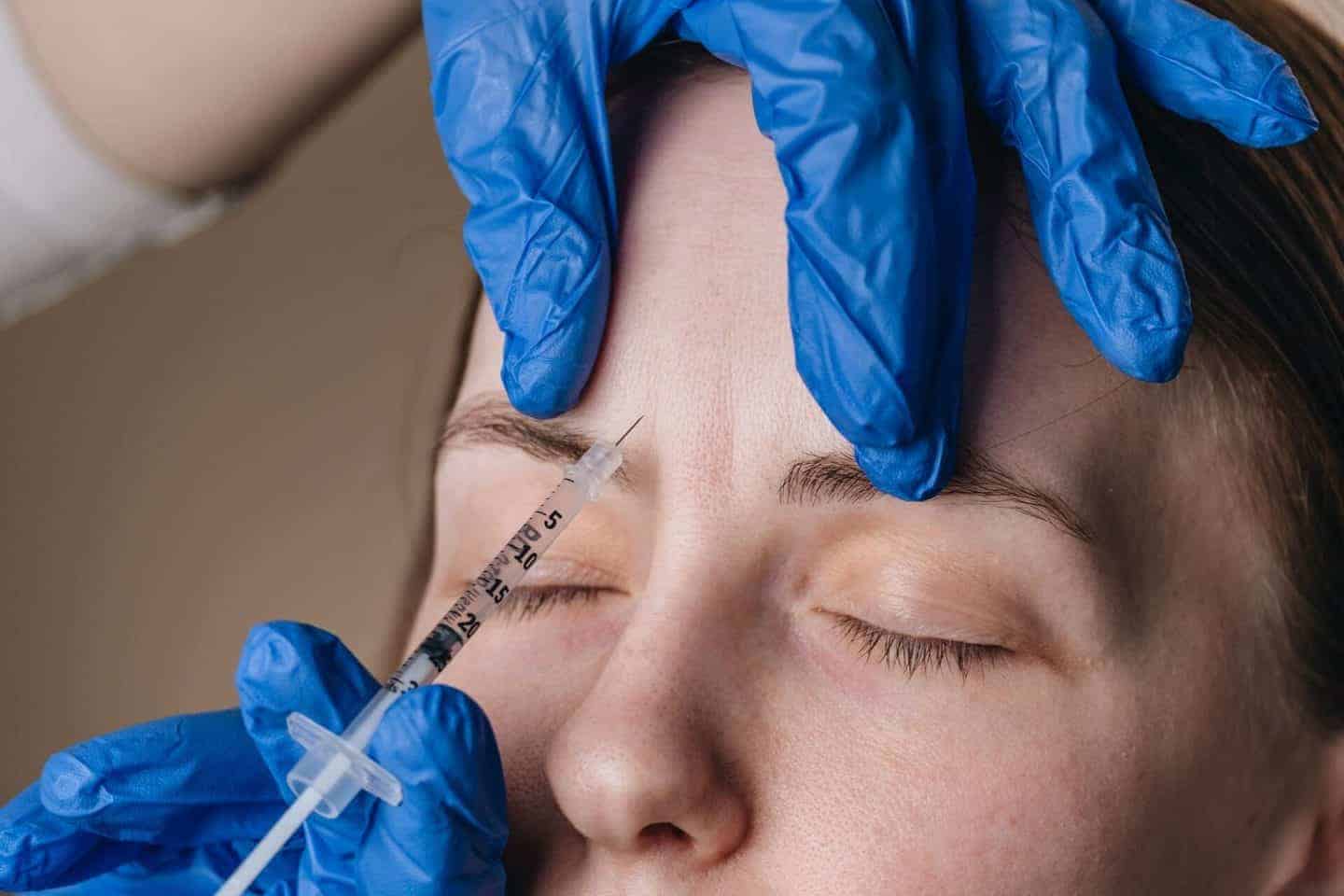
Knowing what each treatment can and cannot do makes it easier to decide which one may suit your goals.
What Does Botox Treat?
Facial expressions help us show joy, surprise, and concern. Over time, though, repeated muscle movement can leave lines that remain visible even when the face is at rest. Botox works by temporarily reducing activity in selected muscles.
Common treatment areas include:
- Forehead lines: Horizontal lines that appear when raising the eyebrows.
- Frown lines: Vertical lines between the eyebrows that can create a tense or worried look.
- Crow’s feet: Fine lines that form around the outer corners of the eyes.
Botox tends to work best when facial movement contributes to the lines being treated. It does not restore lost facial volume or rebuild the skin’s underlying support. Results develop over several days and usually last around three to four months, although the timing varies from person to person.
Botox does not replace lost facial volume or rebuild collagen. If the main concern is hollow cheeks or deeper folds linked to changes beneath the skin, relaxing muscles may not address the cause.
What Does Sculptra Treat?
As skin ages, the body produces less collagen, a protein that helps keep skin firm and supported. Changes in facial fat can also make areas such as the cheeks and temples look less full. These changes may create a tired or sunken appearance, even when someone feels well rested.
Sculptra is an injectable treatment made with poly-L-lactic acid. Rather than relaxing facial muscles, it encourages the body to produce collagen over time. This can help restore some lost volume and improve facial support gradually.
Patients often consider Sculptra in Manhattan for concerns such as hollow cheeks, temples that look sunken, smile lines, and folds around the mouth. The approach described by VERVE Medical Cosmetics focuses on rebuilding facial support over a series of sessions, with treatment tailored to the person’s needs rather than using the same plan for everyone. The aim is to improve the underlying support of the face, rather than simply smooth a line caused by movement.
Note, however, that results do not appear overnight. Improvement often begins after several weeks, with fuller results developing over the following months. Depending on the treatment plan and the body’s response, results may last two years or longer.
The Main Difference Between Sculptra and Botox
The simplest way to compare the two is to look at what is causing the concern. Botox targets muscle movement. Sculptra targets collagen loss and reduced facial support. A person with deep frown lines caused by repeated expressions may benefit more from Botox, while someone whose cheeks have lost fullness may be a better candidate for Sculptra.
Neither treatment is a complete answer to every sign of aging. Botox will not restore sunken cheeks, and Sculptra is not designed to stop the muscle movements that cause forehead lines and crow’s feet.
The treatments also follow different timelines. Botox generally shows results within days to two weeks, while Sculptra develops gradually over several weeks or months. Botox requires repeat treatments to maintain its effect. Sculptra may last longer, but some people need more than one session to reach their desired result.
The popularity of injectable treatments is clear. The American Society of Plastic Surgeons reported that neuromodulator injections, including Botox, accounted for 50% of all minimally invasive procedures in 2025. This shows how common these treatments have become, but popularity alone does not determine which option is right for an individual.
Can You Have Both Treatments?
Yes, some people use both treatments because they address different concerns. For example, Botox may soften lines between the eyebrows while Sculptra gradually improves lost volume in the cheeks.
Using both does not mean everyone needs both. The right plan depends on facial structure, skin condition, medical history, and the changes a person wants to address. Sometimes one treatment is enough. In other cases, a provider may suggest a staged plan so each treatment can be assessed on its own.
It is also important to understand the risks. Botox can cause temporary bruising, swelling, or unwanted muscle weakness. Sculptra may cause tenderness, swelling, bruising, or small lumps under the skin. Sculptra cannot be quickly dissolved like some gel fillers, so choosing a qualified, experienced injector is especially important.
Choosing the Right Option
Start by identifying what bothers you most. Are lines appearing when you frown or smile? Or does your face seem less full than it used to be? The answer can help guide a conversation with a qualified medical provider.
Ask what results are realistic, how long they may last, how many sessions may be needed, and what side effects to watch for. A careful assessment should consider your facial movement and volume changes, not just your age or a single wrinkle.
Sculptra and Botox can both play a role in facial rejuvenation, but they serve different purposes. Choose based on the cause of the concern, rather than the treatment.