
Botox has a reputation problem it does not entirely deserve. For many people, it still conjures images of frozen expressions and obvious overtreatment. The reality of how it is used today in the right dosage, by a qualified injector, with a philosophy of natural movement and balance bears little resemblance to the cultural stereotype.
Used thoughtfully, botulinum toxin treatments are not about erasing expression. They are about softening the lines that have become more permanent than they should be, while preserving the natural movement that makes a face look alive and communicative. That distinction is the difference between a result that looks done and one that simply looks good.
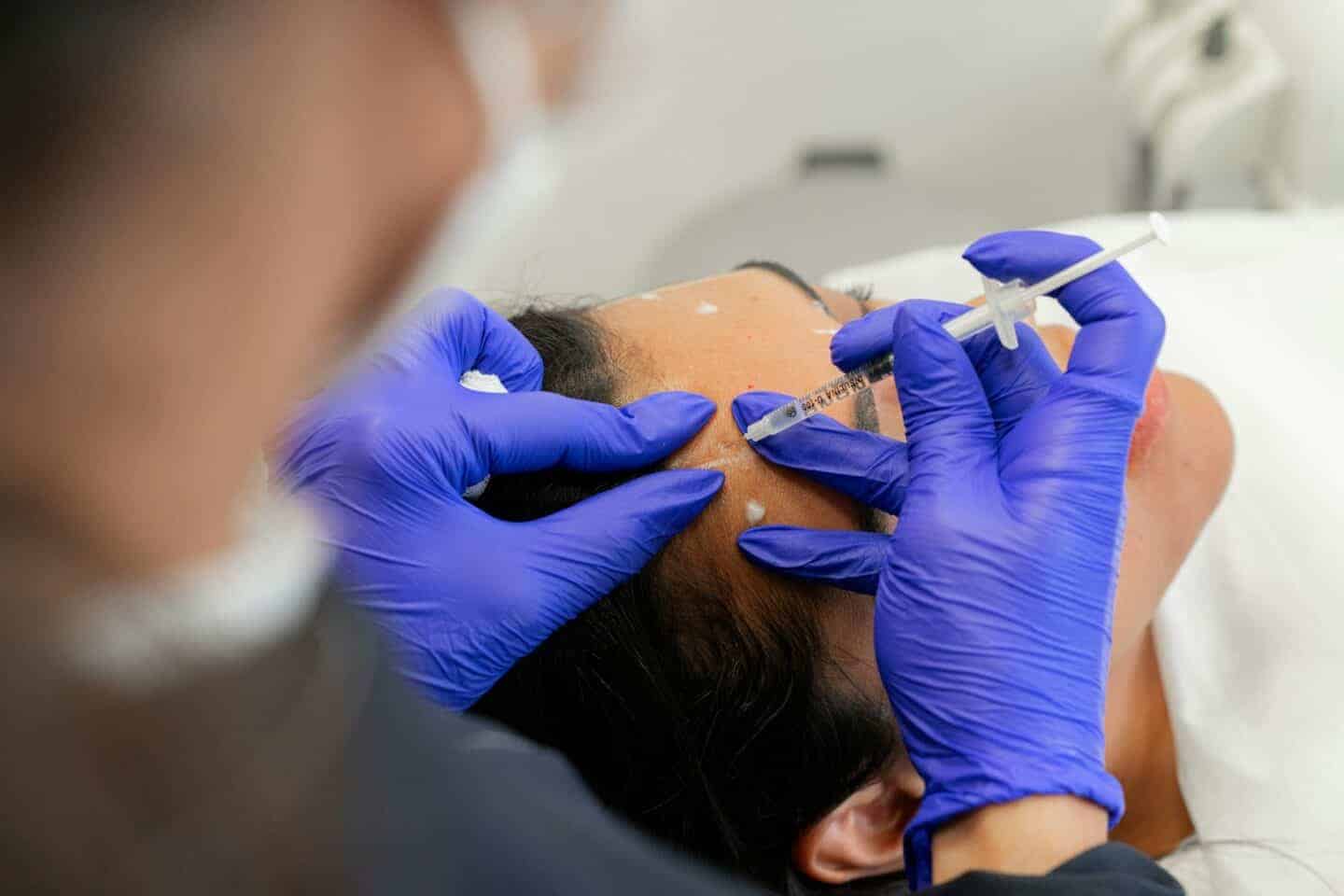
Why Neuromodulator Treatments Remain the Most Requested Cosmetic Procedure
The numbers are striking. According to the ASPS 2024 Procedural Statistics Report, neuromodulator injections including Botox and its equivalents were performed 9.8 million times in the United States in 2024, representing a 4 percent year-over-year increase. They remain the most performed minimally invasive cosmetic treatment by a considerable margin.
The reasons for that sustained popularity are practical. The treatments require no downtime, produce visible results within days, and last three to six months. For patients who want to maintain a refreshed appearance without committing to surgery, they offer a reliable and reversible way to address specific concerns without permanent change.
What Botox Actually Does at a Physiological Level
Understanding the mechanism behind the treatment demystifies both its effects and its limitations.
Botulinum toxin works by temporarily blocking the nerve signals that cause specific muscles to contract. When the muscles responsible for dynamic wrinkles, the frown lines between the brows, the horizontal forehead lines, and the crow’s feet at the outer corners of the eyes are relaxed, the overlying skin has the opportunity to smooth. The lines soften or disappear because the mechanical force creating them has been paused.
What this means in practice is that Botox effectively addresses dynamic wrinkles (those caused by muscle movement). It does not address static wrinkles (those present without movement), volume loss, or structural laxity. Those concerns require different interventions, fillers for volume, and surgery for structural change. A qualified provider will be clear about what each treatment can and cannot achieve.
For patients in Hawaii considering treatment, finding BOTOX in Maui through a practice led by a board-certified plastic surgeon rather than a med spa with minimal medical oversight means the treatment is being placed in the context of a complete aesthetic assessment which consistently produces more balanced and appropriate results.
The Long-Term Rejuvenation Argument for Starting Early
There is an evidence base behind the idea that consistent, conservative Botox treatment begun in the mid-to-late thirties or forties can slow the formation of deep, permanent lines, a concept sometimes called preventive botulinum toxin therapy.
The principle is straightforward. Deep static wrinkles develop over years of repeated muscle movement that creases the skin in the same place. By reducing that repetitive movement over time, you reduce the depth and permanence of the crease. Patients who begin treatment earlier and maintain it consistently tend to develop fewer deep lines and require less intervention over time than those who wait until lines are already deeply established.
Restivo Plastic Surgery approaches this as part of a broader aesthetic conversation: what does this patient’s face need now, what will it likely need in five years, and what approach serves both the present and the long-term picture?
Why Injector Qualification Matters More Than Most People Realise
The proliferation of Botox providers has not been uniformly positive. The same treatment administered with different technique, different understanding of facial anatomy, and different dosing philosophy can produce dramatically different results.
A board-certified plastic surgeon or dermatologist performing injections brings an understanding of facial anatomy that goes well beyond the training required to obtain a certificate to administer neuromodulators. They understand how different muscles interact, how asymmetries should be approached, and critically, how to avoid the complications ptosis, brow dropping, asymmetric results that are associated with placement errors.
Restivo Plastic Surgery offers Botox treatments in Hawaii as part of a medspa programme that operates within a plastic surgery practice environment. In that context a board-certified surgeon, a medical team with deep aesthetic experience, and a patient population that includes surgical patients with high standards for natural results shapes the quality and philosophy of the injectable work.
Conclusion
The patients who are most satisfied with their Botox results over the long term share one thing in common: they approached it as a practice rather than an event. Treatment administered at consistent intervals, by a provider who knows their anatomy and understands their goals, compounds over time. Lines soften progressively. The results start looking less like the effect of a recent appointment and more simply like the way you look rested, alert, and at ease.
That outcome depends entirely on the quality of the relationship you build with the person doing the work. A qualified injector who listens carefully, assesses your face as a whole, and prioritises movement and balance over maximum correction will produce results that age with you gracefully. One who does not will produce results that age poorly and that require correction of their own.