
There’s a moment before any first treatment where curiosity mixes with a bit of tension. You’ve probably heard different things. Some people say it’s quick and easy. Others make it sound more intense than it really is. The truth usually sits somewhere in between.
If you’re considering Botox, especially in a place like Dallas where treatments are widely available, you’re likely wondering about one thing more than anything else. What does it actually feel like?
Because knowing what to expect takes away a lot of that edge. It helps you walk in calmer, more prepared, and less likely to overthink every small sensation. Here’s what most people notice, broken down in a way that feels closer to what you’ll actually experience.
1. The Needle Is Small, But You’ll Still Feel It
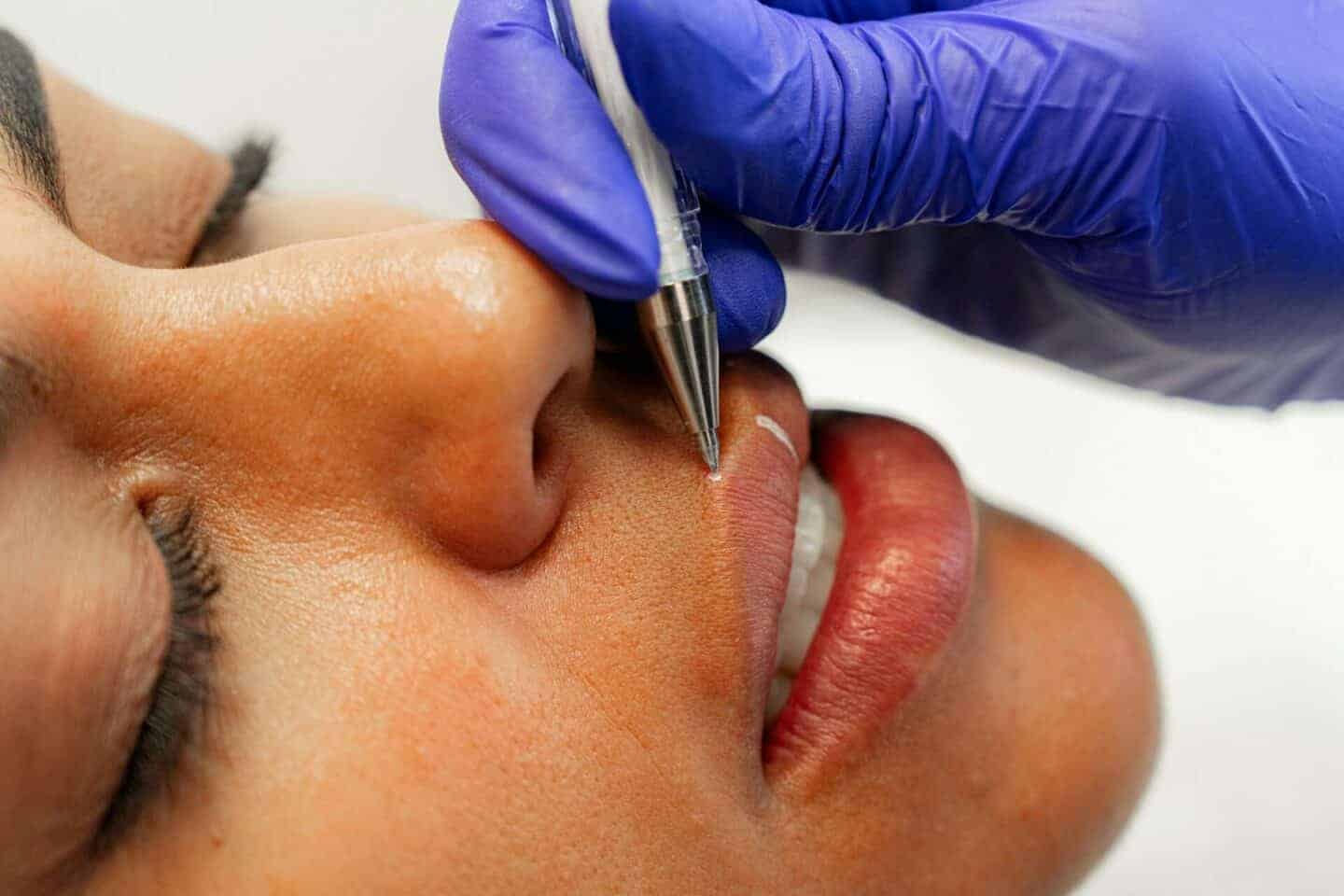
The first thing people usually ask about is pain. It’s not intense, but it’s not completely nothing either. Each injection feels like a quick pinch. Very fast. The needle used for Botox is extremely fine, which is why the sensation tends to stay mild. Most people compare it to a tiny sting that fades almost immediately.
That said, one thing patients quickly realize about Botox in Dallas is how much technique plays a role in comfort. In clinical practices like Omni Sculpt MD, where treatments are tailored to facial structure and muscle movement, injections are often placed in a way that minimizes discomfort while still targeting the right areas. That balance matters because it keeps the experience manageable without compromising results.
You might feel a few pinches in different spots depending on the area being treated. Forehead lines, for example, often involve multiple small injections. It sounds like a lot, but the entire process moves quickly.
2. It’s Over Faster Than You Expect
If you’re picturing a long session, this is where expectations shift. Most Botox appointments take about 10 to 20 minutes. Sometimes even less. The actual injections themselves are done in just a few minutes. The rest of the time is usually spent discussing your goals and mapping out where the injections should go.
This speed catches people off guard. You walk in, get settled, and before you’ve had time to get fully nervous, it’s already done.
That quick pace is part of why Botox has become so common. According to surveys from core aesthetic specialty organizations, Botox has remained the leading non-surgical cosmetic procedure globally, with millions of treatments done annually.
The short appointment time plays a big role in that. It fits into a regular day without much disruption.
3. There’s a Strange Tight Feeling After, Not Pain
Right after the injections, you might expect soreness. That’s not usually the main sensation. Instead, many people notice a slight tightness or heaviness in the treated area. It’s subtle. Almost like you’re aware of your muscles in a new way.
This feeling doesn’t mean something is wrong. It’s part of how Botox starts to settle into the muscles. Over the next few days, that tightness gradually fades as the muscle activity softens.
In practice, this is one of those things people don’t always expect because it’s hard to describe until you feel it. It’s not uncomfortable, just unfamiliar. You may also notice small bumps at the injection sites right after treatment. These usually go down within 20 to 30 minutes.
4. Results Don’t Show Up Right Away
A common assumption is that you’ll walk out and immediately see smoother skin. That’s not how Botox works. The effects build gradually. Most people start to notice changes within three to five days, with full results appearing around two weeks after treatment.
This delayed effect can feel a bit confusing at first. You might check the mirror the next morning and see no difference. That’s normal. Botox works by relaxing the targeted muscles over time. It doesn’t fill or stretch the skin instantly. That’s why patience becomes part of the experience.
Interestingly, studies show that repeat treatments often lead to longer-lasting results over time because the muscles are trained to move less. So what you see after your first visit may not be exactly the same as what you see after future ones.
5. Movement Changes, But It Should Still Feel Like You
One of the biggest concerns people have is losing facial expression. That frozen look you sometimes hear about. When done thoughtfully, that’s not the goal.
What most people actually feel is a soft reduction in movement. You can still raise your eyebrows, smile, and react. The difference is that the lines caused by repeated movement become less noticeable.
This is where expectations matter a lot. Botox doesn’t erase every line or stop all motion. It tones things down.
If anything feels too stiff, it’s often a sign that dosing or placement could have been adjusted. That’s why the consultation part of the appointment matters just as much as the injections themselves. The aim is subtle change. You look like yourself, just a bit more rested.
Conclusion
Botox isn’t as dramatic as people sometimes expect. The sensations are small, the appointment is quick, and most of what you feel afterward is more about adjustment than discomfort.
If you go in expecting a few quick pinches, a slightly odd tightness for a couple of days, and gradual results instead of instant change, the whole experience becomes much easier to process. And once you know what it feels like, the unknown part disappears. That’s usually the biggest hurdle.