
Secondary school pupils face significant academic demands as final examinations approach. Creating a structured approach to daily learning helps lower stress and builds long-term confidence.
Family members play a massive role in shaping these daily learning patterns. Simple adjustments to the home environment can help teenagers study with greater independence and less frustration.
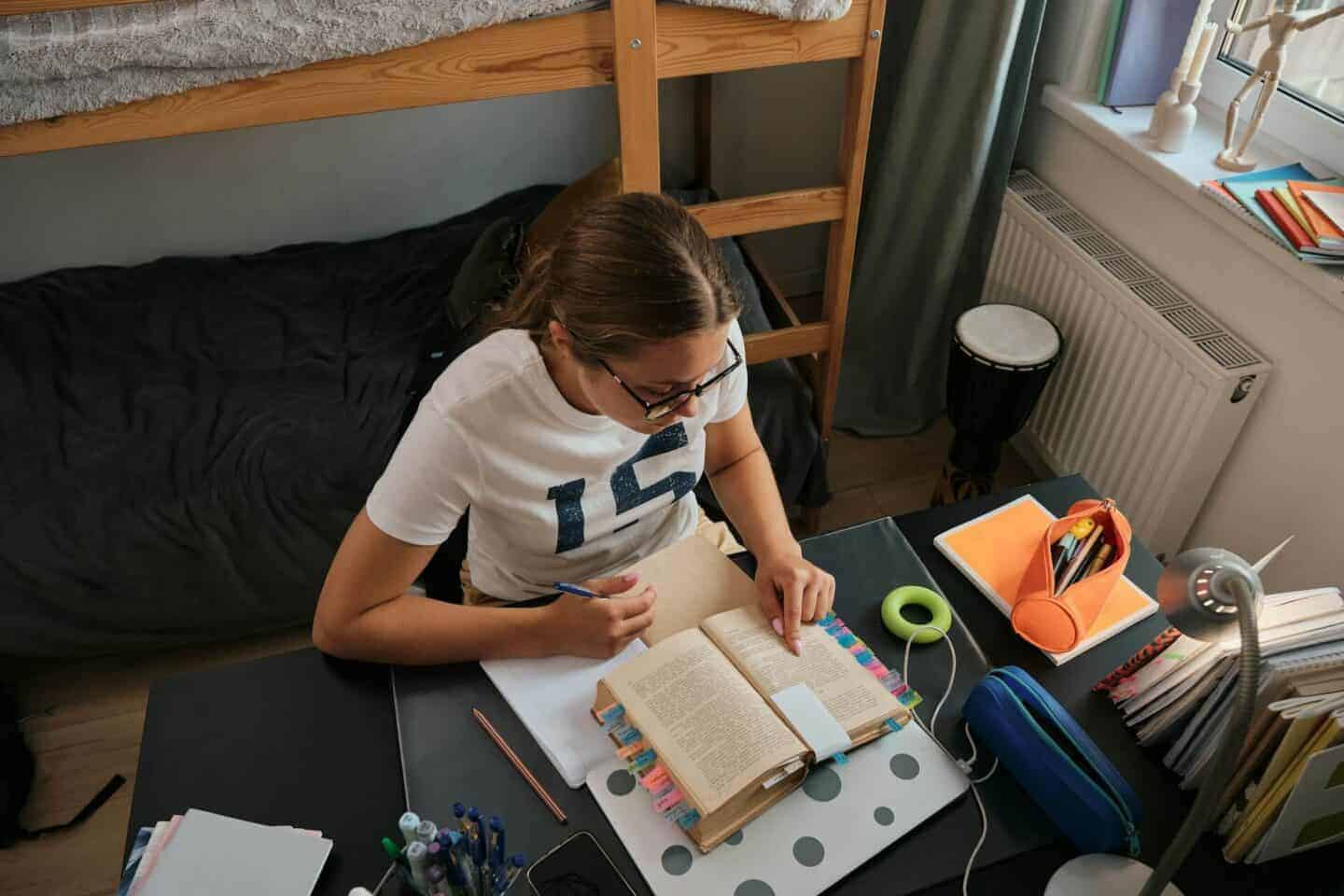
Setting Up A Dedicated Study Space
Working from a bed or a couch often signals the brain to relax rather than concentrate. A specific desk area trains the mind to switch into a productive state immediately upon sitting down. Keeping this area organized reduces the time spent looking for stray supplies. Having a clear workspace removes clutter from the mind.
Many teenagers struggle to find an area free from the noise of televisions and siblings. This designated zone keeps textbooks organized and cuts down on daily preparation delays.
Good lighting and a supportive chair prevent physical fatigue during longer sessions. Having pens, rulers, and paper within arm’s reach prevents teenagers from getting up and losing focus. Small environmental adjustments make a massive difference in daily output. Over hours of work, comfort becomes critical.
Establishing A Consistent Daily Schedule
Random study blocks often lead to procrastination and late-night cramming sessions. Establishing fixed hours for schoolwork removes the friction of deciding when to start each afternoon. Teenagers benefit from knowing exactly when their free time begins. Predictability reduces anxiety about upcoming project deadlines.
Research highlights that parents value practical strategies that support student self-regulation and routine establishment. Using GCSE physics revision or similar structured study materials can help teens follow a clear learning path without feeling overwhelmed by unorganized content. Consistent scheduling combined with guided resources improves retention and makes revision sessions more effective over time.
Fixed slots for reading and testing create a steady rhythm throughout the academic year. When revision becomes a normal part of the day, difficult subjects feel far less intimidating as weeks pass. Students retain information much better when they spread their sessions across the week. Short daily sessions beat marathon weekend sessions.
Breaking Down Massive Study Topics
Huge syllabi can terrify teenagers, causing them to postpone their review work indefinitely. Facing a massive textbook makes it difficult to choose a starting point. Dividing large subjects into small pieces makes the workload seem achievable. Small accomplishments build the momentum needed for harder modules.
Parents can assist by helping teens dissect exam specifications into daily checklists. Breaking down a massive science or history topic into bite-sized tasks keeps motivation high:
- Define 5 key terms using textbook glossaries.
- Draft 1 short answer response based on past papers.
- Review a single diagram for 10 minutes.
- Check grading rubrics to find hidden requirements.
Seeing progress marked down visually provides a major psychological boost. Checking off items on a list releases a sense of accomplishment. This visual tracking encourages teenagers to maintain their momentum throughout the week. Clear lists prevent them from forgetting minor tasks.
Managing Digital Distractions Effectively
Continuous smartphone alerts shatter concentration and prolong the time needed to complete simple tasks. Every single ping forces the brain to waste energy resetting its focus. Deep learning requires sustained attention that social media notifications constantly disrupt. Minimizing phone interaction maximizes cognitive performance.
Moving mobile devices to another room during study blocks shifts attention levels instantly. Applications that lock specific platforms during working hours provide an excellent safety net. Teenagers often appreciate having a physical barrier between themselves and their digital feeds. Distance removes the temptation to scroll mindlessly.
Parents can support this effort by minimizing their own device usage during family hours. Creating shared tech-free windows demonstrates solidarity and improves the home environment. Setting clear boundaries around screens protects valuable study time from disappearing. Respecting these boundaries establishes a healthy household norm.
Practicing Active Recall Techniques
Reading through highlighted notes gives pupils a false sense of security. Passive scanning makes information look familiar without embedding it into deep memory. True learning requires retrieving facts directly from the mind without looking at answers. Testing is the absolute core of long term retention.
Utilizing flashcards forces the brain to work harder to pull information forward. This mental strain strengthens memory pathways and highlights specific topics that need extra work. Self-testing shows students exactly what they know and what requires further review. Identifying these weak points saves precious time later.
Family members can assist by reading flashcard questions aloud during dinner preparation. This brief cooperative activity converts tedious scanning into an engaging testing game. Working together makes the heavy exam preparation feel like a team effort. Shared learning lightens the emotional burden on teenagers.
Supporting Long Term Academic Success
Family involvement shapes how teenagers view their educational responsibilities over the school year. Active support at home bridges the gap between classroom teaching and independent review. Students thrive when they feel their family understands the scale of their efforts. Academic growth accelerates when the home environment is fully supportive.
A study published in the Philippine Journal of Science and Education confirmed that parental involvement in schooling remains critical for learner academic success. Regular encouragement transforms how students handle academic setbacks. Knowing that parents notice their dedication keeps teenagers working toward their goals. Positive feedback reinforces positive classroom behaviors.
Celebrating small milestones keeps motivation steady during long revision months. Acknowledging a completed practice paper matters just as much as celebrating high exam grades. Continuous encouragement helps students maintain a positive mindset through tough academic patches. Recognizing hard work builds inner resilience.
Planning Regular Rest Breaks
Marathon study sessions without pauses lead to mental exhaustion and rapid drops in retention. The human mind can only maintain high levels of focus for limited windows. Forcing a teenager to sit at a desk for hours decreases efficiency. Rest periods are necessary for brain recovery.
Implementing structured break intervals preserves mental clarity and keeps energy levels high. Parents can help teenagers plan refreshing intervals between intense focus blocks:
- Walk around the garden for 5 minutes.
- Drink a glass of water and eat a healthy snack.
- Stretch to relieve tension in the shoulders and neck.
- Step outside to get fresh air for a moment.
Stepping away from the desk allows information to settle in the brain. Returning to work after a brief pause increases speed and accuracy. Structured downtime prevents burnout and makes long study afternoons sustainable. Scheduled breaks give students a target to look forward to.
Encouraging Proper Sleep And Nutrition
A tired brain cannot store information efficiently or perform well during mock exams. Late-night study sessions do more harm than good when they cut into sleep. Sleep consolidates the facts learned during the day, locking them into place. Rested students solve complex problems with much higher accuracy.
Keeping digital screens out of the bedroom helps teenagers unwind before sleeping. Blue light from phones disrupts natural sleep patterns, leading to daytime sluggishness. Establishing a wind-down routine helps students wake up refreshed and ready to learn. Adequate rest prevents emotional exhaustion during testing weeks.
Nutritious meals provide the sustained energy needed for complex problem solving. Providing healthy snacks like nuts and fruit prevents the energy crashes linked to sugary foods. Proper fueling keeps concentration sharp when students tackle difficult subjects. Balanced nutrition supports both physical health and cognitive endurance.

Building an effective study routine takes time and patience from both parents and teenagers. Small changes to the home environment yield massive improvements in student focus and confidence.
Supporting these habits sets young people up for success far beyond exam season. Your steady encouragement makes the academic journey smoother and much more manageable.