
There’s a particular kind of frustration that comes from watching your garden struggle despite the fact that you’re watering it regularly. The lawn has dry patches. The garden beds look stressed. The water bill is climbing. And yet the sprinklers are running every morning like clockwork.
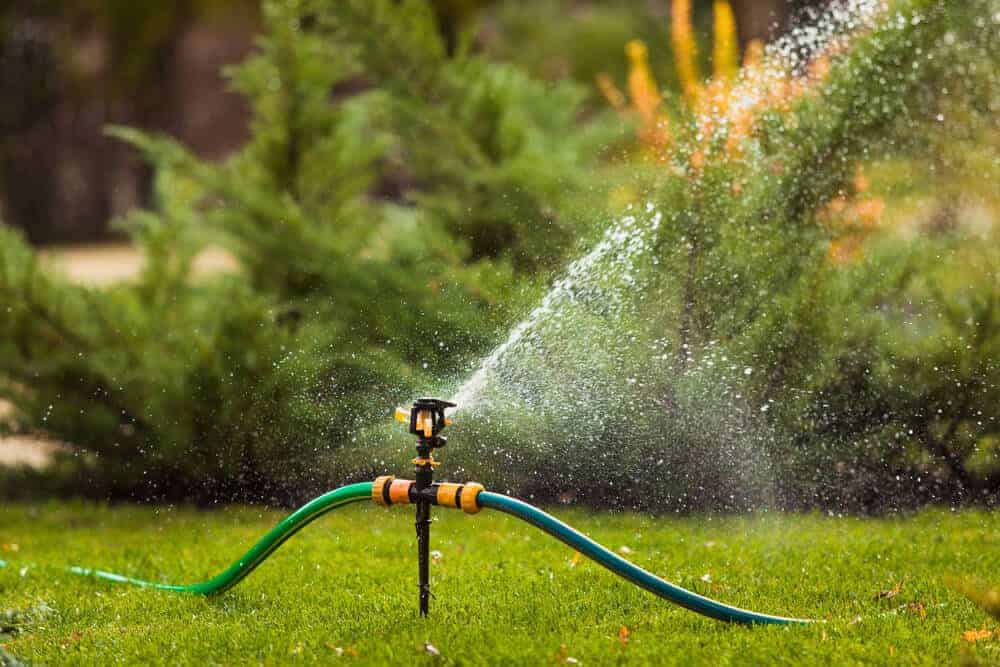
The problem, more often than not, isn’t a lack of water, it’s how the water is being applied. Irrigation mistakes are remarkably common among homeowners, and most of them are entirely fixable once you know what to look for. Here’s a straightforward guide to the mistakes that cause the most damage, and what to do differently.
1. Watering at the Wrong Time of Day
This is one of the most widespread irrigation mistakes, and one of the most costly in terms of water waste. Watering during the middle of the day, when temperatures are at their peak, means a significant portion of the water evaporates before it ever reaches the root zone. The plants get less benefit, the water bill is higher, and the garden can still end up looking stressed.
The right time to water is early morning, ideally between 4am and 8am. The temperature is cooler, wind is typically lower, and the water has time to soak into the soil before the heat of the day arrives. Watering in the evening is a common alternative, but it can leave foliage wet overnight and create conditions that encourage fungal disease. Early morning irrigation is consistently the most efficient and plant-friendly approach.
2. Running Every Zone for the Same Duration
Different areas of a garden have very different water requirements, and treating them all the same leads to imbalance.
Why this doesn’t work:
- Shaded beds need less water than full-sun lawns
- Sloped areas lose water to runoff faster
- Pots and containers dry out more quickly
Running every zone on the same timer setting ignores all of these differences. The result is lawn areas that are waterlogged while garden beds dry out, or vice versa. Take the time to assess each zone individually, soil type, sun exposure, plant types, and drainage, and set durations accordingly. It takes a little more initial effort but produces significantly better results and reduces water waste at the same time.
3. Neglecting Regular System Maintenance
An irrigation system that isn’t maintained degrades gradually and silently. Pipes develop small leaks. Filters get blocked. Valve seals deteriorate. Controller settings drift or get accidentally changed. None of these issues announce themselves loudly, they just reduce system performance over time while water use stays the same or increases.
As the team at Retic Renovation recommends, scheduling a professional system check annually is one of the most effective ways to keep an irrigation system performing efficiently. A qualified technician will identify leaks, test pressure, check valve function, inspect sprinkler heads, and verify that the controller is programmed correctly for current conditions. The cost of a regular service is typically far less than the cumulative cost of the inefficiency it prevents.
4. Ignoring Seasonal Changes
An irrigation schedule that works well in summer will overwater significantly in winter, if it runs at all. Many homeowners set their controller at the start of the season and leave it unchanged for months, regardless of how temperatures, rainfall, and plant water demands shift over time.
According to the EPA’s WaterSense programme, weather-based irrigation controllers can reduce outdoor water use by up to 15% compared to timer-only systems. Even without a smart controller, manually adjusting your schedule every four to six weeks to reflect seasonal conditions makes a meaningful difference. In cooler months, most gardens need water far less frequently, and running the system at summer frequencies wastes water and can damage plants through overwatering.
5. Overlooking Blocked or Misaligned Sprinkler Heads
Irrigation systems work as designed only when every component is functioning correctly. A single blocked or misaligned sprinkler head creates a dry patch that looks like a watering problem but is actually a maintenance problem. Heads get knocked out of alignment by lawn mowers and foot traffic. They get blocked by soil, grass, or debris. They develop partial blockages that reduce flow without stopping it completely.
Walk your system through a full test run every few months. Watch each sprinkler head individually and check for uneven spray patterns, reduced flow, or areas that aren’t receiving adequate coverage. Catching these issues early prevents the dry patches, plant stress, and unnecessary extra watering that result from running a compromised system without knowing it.
6. Watering on a Fixed Schedule Regardless of Rainfall
Running your irrigation system during or immediately after rainfall is one of the more visible irrigation mistakes, and unfortunately a very common one. Automated systems without rain sensors will run on schedule regardless of conditions, leading to significant water waste and potentially waterlogged soil.
A rain sensor is a simple, inexpensive addition to most irrigation controllers that prevents the system from running when adequate rainfall has already occurred. For homeowners in areas with variable rainfall, it’s one of the most cost-effective irrigation upgrades available.
Smart controllers take this further by using weather data to adjust irrigation schedules automatically, but even a basic rain sensor eliminates the most obvious form of unnecessary watering.
7. Using the Wrong Sprinkler Type for the Area
Not all sprinkler heads are suited to all applications:
- Rotary heads that cover large areas efficiently are a poor choice for narrow garden beds
- Spray heads that deliver water quickly are unsuitable for sloped areas where runoff occurs before the water can soak in
- Drip systems that work perfectly for garden beds are inefficient for lawn areas
Matching the irrigation method to the area being watered improves efficiency and plant health significantly. Drip irrigation delivers water directly to the root zone of individual plants with minimal evaporation and no overspray onto paths or structures.
Spray heads suit flat, open areas with uniform plantings, while rotary heads are most efficient for larger lawn areas. Using the right tool for each zone is a fundamental principle of good irrigation design, and it’s one of the areas where professional advice makes a genuine difference.
8. Watering Too Frequently Rather Than Deeply
Frequent, shallow watering encourages shallow root systems. Plants develop roots close to the surface because that’s where the water consistently is, which makes them more vulnerable to heat stress, drought, and surface temperature fluctuations. It also means the plants become dependent on regular watering in a way that deeply rooted plants are not.
The better approach is to water less frequently but more deeply. Longer, less frequent watering cycles encourage roots to grow downward in search of moisture, which produces stronger, more resilient plants that can tolerate periods without irrigation. The general principle is to water deeply enough that moisture penetrates to at least 20 to 30 centimetres into the soil, then allow the soil to dry slightly before the next watering cycle. This produces healthier plants and reduces overall water consumption at the same time.
Final Thoughts
Most irrigation mistakes share a common root cause, a system that was set up at some point and then left to run without regular attention or adjustment. The fixes are rarely complicated or expensive. Adjust the timing, match zones to their actual requirements, maintain the system regularly, and respond to seasonal changes rather than ignoring them.
A well-managed irrigation system uses less water, produces healthier plants, and creates far less of the frustration that comes from watching a garden struggle despite regular watering. The investment in getting it right is modest. The difference it makes is anything but.