
As one of the most visible surfaces in a bathroom, countertops can set the tone for the entire design of the space. They can complement the pattern of your tiles or enhance tapware, creating a cohesive and polished look. But countertops are not just for appearances. They also support your everyday routines, from washing hands to organising grooming products. Given the constant wear countertops endure, the surface needs to be durable and practical to handle everyday use.
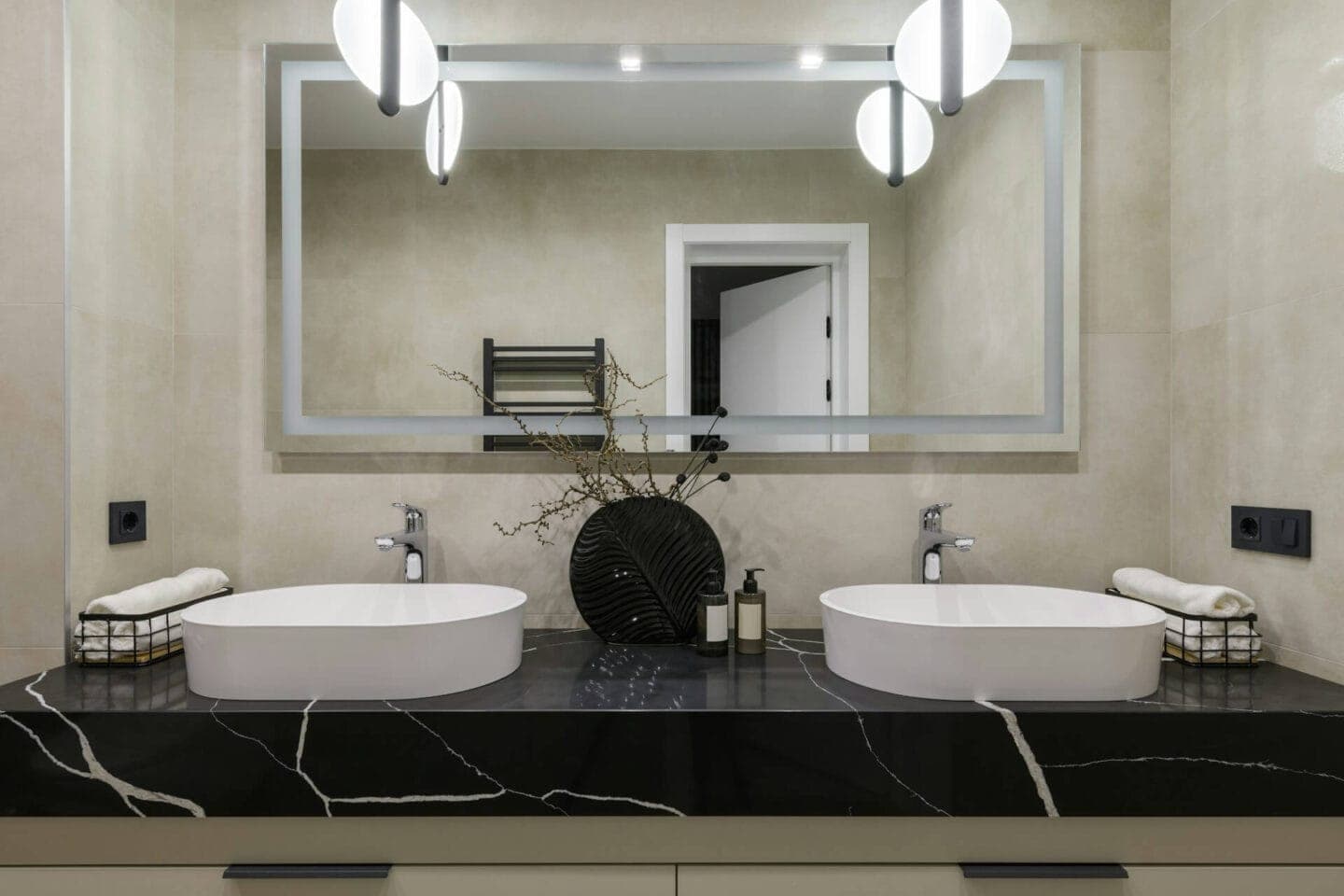
Whether you are undertaking a bathroom renovation Auckland experts recommend or designing a whole new space, choosing the right countertop material is an important step in creating a bathroom that’s practical and visually appealing. The following tips highlight several factors worth considering when choosing bathroom countertop materials:
1. Think About Your Household’s Daily Use and Lifestyle
Before choosing a countertop material, think about how the bathroom is used daily. The right surface should support your household’s routines while remaining easy to maintain over time.
In busy family homes, for example, bathrooms see frequent use throughout the day. Countertops in these spaces need to be able to handle water splashes and suds without showing wear too quickly. Durable and stain-resistant materials such as quartz or solid surface options can perform well in these high-traffic environments because they are designed to withstand regular use.
Guest bathrooms, on the other hand, experience less daily activity. In these spaces, homeowners may have more flexibility to prioritise design features or distinctive materials. Marble surfaces create an elegant focal point while still performing well in rooms that see only occasional use.
Daily grooming habits are another factor worth considering. If your countertop regularly holds cosmetics or heated styling tools, selecting a material that resists stains and tolerates heat can make the space easier to maintain.
2. Prioritise Moisture Resistance
Bathrooms are naturally humid spaces, and countertops often come into contact with water throughout the day. Simply put, surfaces that do not resist moisture will eventually succumb to splashes from sinks and steam from showers.
As such, select materials with good moisture resistance to protect the countertop from water absorption and potential mould growth. Non-porous surfaces are particularly useful in bathroom environments because they prevent liquids from penetrating the material.
Quartz is a popular option because it is engineered to be non-porous and resistant to both stains and water damage. Granite also performs well when properly sealed, offering natural durability while protecting the surface from moisture exposure. Solid surface composites are another practical choice, as they provide a smooth, seamless finish that resists water penetration.
3. Consider Maintenance Requirements
Every countertop material comes with its own level of upkeep. Some surfaces require minimal care, while others benefit from more regular maintenance to keep them looking their best. Understanding these differences can help you choose a material that fits comfortably into your routine.
For busy households, low-maintenance options are often the preferred choice. Quartz, for example, is easy to care for. They don’t require re-sealing and easily resist stains. Similarly, solid surface and laminate countertops are straightforward to maintain; they do need regular cleaning, but mild household products are more than enough to do the job.
Granite sits somewhere in the middle when it comes to maintenance. It is durable and long-lasting, but the surface usually requires occasional resealing to help protect it from moisture and staining. When properly maintained, granite countertops can retain their natural appearance for many years.
Marble and other porous natural stones demand more attention. These materials can develop stains or etching if spills are not cleaned quickly, and they often benefit from routine sealing. While they offer distinctive visual appeal, they may not be the most practical option for homeowners who prefer low-maintenance countertops.
4. Match the Countertop with the Bathroom Style
Bathroom countertops contribute significantly to the overall look and atmosphere of the space. The colour and finish you choose can either blend seamlessly with the design or become a standout feature.
In modern bathrooms, homeowners often favour materials with clean lines and consistent patterns. Quartz is a popular option because it offers a sleek appearance and is available in a wide range of colours and finishes. Concrete and solid surface materials can also complement contemporary spaces, particularly when paired with minimalist cabinetry and modern fixtures.
For bathrooms with a more classic or luxurious feel, natural stones such as marble or granite are frequently used. Their distinctive veining and natural variation can add character and visual interest to the room. These materials work especially well in bathrooms that feature elegant tapware or decorative tiles.
5. Evaluate the Material’s Long-Term Value
When choosing a bathroom countertop, it’s important to look beyond the initial installation cost and consider the long-term performance of the material. A well-selected surface should not only withstand daily wear and exposure to water, heat, and personal care products but also maintain its appearance over time.
Many homeowners nowadays often select quartz and granite for their long-lasting performance. Thanks to their natural resistance to scratches and moisture, they remain reliable surfaces that maintain their appearance even with regular use. Natural stones like marble, while requiring more care, provide enduring aesthetic appeal and a distinctive character that many homeowners find worthwhile. For those who value elegance and unique visual features, the additional maintenance of natural stone can be a small trade-off for its timeless beauty.
Selecting a Bathroom Countertop That Lasts and Impresses
The right bathroom countertop combines style and functionality. Homeowners can choose a surface that handles everyday routines with ease while complementing the overall atmosphere. Moreover, a thoughtful selection transforms the countertop into a lasting, valuable feature of the bathroom.