
The glamour of the runway often hides a darker reality. Behind the flawless collections and perfectly curated feeds lies a high-pressure environment that pushes creative minds to their absolute limits.
The demand for constant novelty can quickly drain your mental battery. Finding balance in this fast-paced field requires conscious effort and practical strategies. Taking care of your mind is just as critical as perfecting your next design or campaign.

The Reality of Creative Burnout
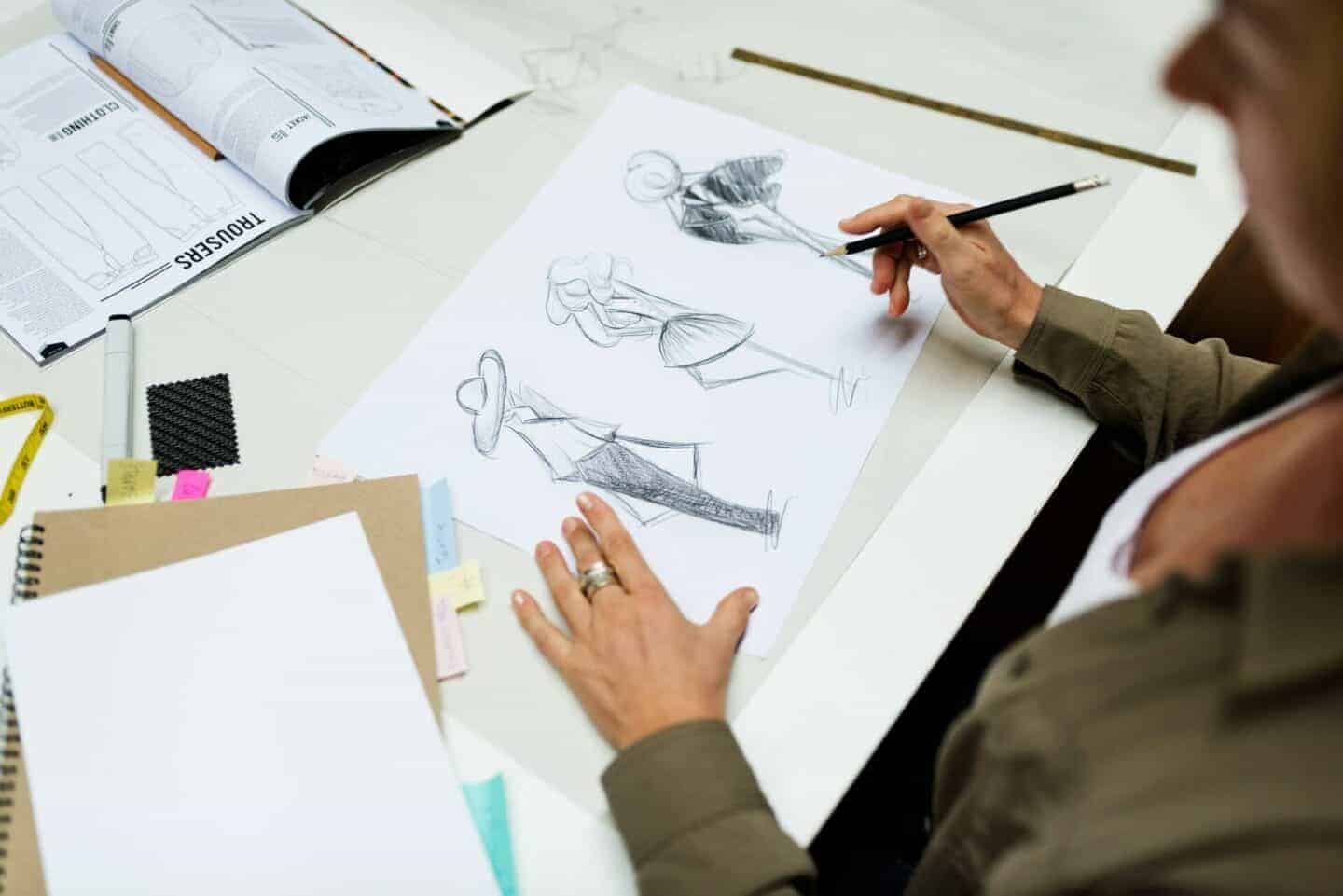
The constant pressure to deliver fresh ideas on tight schedules takes a heavy toll. Many creators feel they must always be “on” to stay relevant. Long hours spent sketching, cutting, or managing retail operations leave little room for rest.
A recent article noted that 74% of fashion professionals experience extreme stress and symptoms of burnout due to tight production deadlines. This heavy workload makes it difficult to separate your personal life from your professional identity.
When your passion becomes your primary source of stress, your mental well-being suffers. Leaders in the field are facing these heavy burdens at an alarming rate. Another report highlighted that creative directors are leaving major labels faster than a decade ago, citing unsustainable creative pressures and constant digital demands.
This pattern shows that even those at the top of the industry struggle to maintain their health under the current system.
Unpacking the Long Working Hours
The culture of overwork is deeply embedded in the clothing world. Entry-level staff and interns face the brunt of this demanding expectation. Industry data from early 2025 shows that 68% of entry-level fashion designers work over 50 hours per week regularly. This exhausting routine leaves very little time for sleep or self-care.
Spending your entire week at a desk or in a studio creates physical and emotional exhaustion. Seeking professional guidance or visiting a mental health facility, such as We Conquer Together, can help individuals establish healthier boundaries before their stress turns into severe medical issues. Learning to step away from the mood boards is necessary to preserve your health. Professional support offers tools to navigate the heavy workloads without losing your identity.
Navigating Seasonal Cycle Stress
The traditional industry calendar demands multiple collections every single year. This constant cycle means that as soon as one line finishes, the next one must immediately begin. A separate study found that over 60% of fashion retail corporate staff feel overwhelmed by the rapid pace of seasonal collection cycles. The lack of downtime prevents the mind from recovering.
Breaking the Constant Cycle
To survive this pace, corporate staff must find small windows of peace during the day. Setting strict digital boundaries helps control the influx of late-night emails. Stepping outside for a short walk can break up the tension of a hectic afternoon.
The Shift in Corporate Culture
Some corporate offices are beginning to recognize that their staff members are struggling. Human resource departments are seeing a massive influx of corporate employees asking for professional guidance. Retail and design corporate offices reported a 40% increase in HR requests for mental health support between 2024 and 2026. This rising number shows that employees are no longer willing to suffer in silence.
Companies are starting to implement wellness initiatives to combat this growing crisis. These programs range from quiet meditation rooms to flexible working hours during off-peak seasons. True change requires a complete shift in how productivity is measured in the office.
Isolation in Freelance and Production Roles
Not every professional works in a large corporate office with HR support. A massive portion of the industry relies on independent contractors who handle logistics. A 2024 study highlights that 55% of stylists and production assistants feel isolated due to intense freelance schedules. Without a stable team, these workers often lack a community to lean on.
Coping Mechanisms for Solitary Workers
Freelancers must actively build their own support networks outside of their traditional contract jobs. Joining local creative collectives or online groups can help reduce the feeling of loneliness. Sharing experiences with peers makes the daily struggle feel less daunting.
Establishing Daily Boundaries
Setting clear limits on your time is the first step toward reclaiming your peace of mind. Let your clients know exactly when you are available for calls or messages. Turn off work notifications on your phone after a specific hour each evening.
- Schedule non-negotiable breaks throughout your workday to clear your mind.
- Create a dedicated workspace that you can physically leave at the end of the day.
- Practice saying no to extra projects that threaten your mental stability.
Redefining Personal Success
Success in this creative field should not come at the cost of your medical health. It is easy to internalize the fast pace as a metric of your personal worth. True career longevity comes from pacing yourself rather than sprinting to the point of collapse.
Focus on building a sustainable path rather than chasing temporary praise. Celebrate the small victories that happen outside of your job performance. Your health matters far more than any single collection or positive review.
Protecting your mind is a continuous journey that requires daily attention. It is completely acceptable to step back when the noise becomes too loud. True style involves carrying yourself with confidence, peace, and a healthy mind. Take care of your well-being first, and the creative work will naturally follow.