
Recovery from addiction or emotional trauma is not just about removing harmful habits; it’s about reconnecting with ourselves in a deep, loving way. Along this healing path, more people are discovering the powerful support of cacao ceremonies.
Rooted in ancient tradition, cacao ceremonies create a sacred space for emotional healing, connection, and reflection, making them a beautiful, heart-centered tool for recovery.

What is a Cacao Ceremony?
A cacao ceremony is a spiritual and mindful gathering where participants drink ceremonial-grade cacao, a pure form of chocolate, and set intentions for healing, growth, or connection.
Unlike regular processed chocolate, ceremonial cacao is made from carefully sourced and minimally processed cacao beans. It contains a rich concentration of natural compounds that support emotional well-being.
During a ceremony, participants might engage in:
– Guided meditation
– Breathwork
– Journaling
– Group sharing
– Heart-opening exercises
The goal is to create a safe environment where people can slow down, tune in, and open their hearts.
Why Cacao?
Cacao isn’t just a tasty treat; it’s a plant medicine full of mood-enhancing properties. Research shows that cacao contains:
– Theobromine: A mild stimulant that boosts energy and heart function without the jitteriness of caffeine.
– Anandamide: Often called the “bliss molecule,” it promotes feelings of happiness and emotional balance.
– Magnesium: Supports muscle relaxation, stress reduction, and nervous system health.
– Flavonoids: Antioxidants that protect brain health and reduce inflammation.
A 2019 review published in Frontiers in Nutrition highlights that cacao’s bioactive compounds can improve mood, reduce stress, and enhance cognitive function (Socci et al., 2019). These effects make cacao a gentle yet powerful ally in emotional healing and recovery.
How Cacao Ceremonies Support Recovery
1. Reconnecting with Emotions
Addiction and trauma often lead to emotional disconnection. Many people in recovery describe feeling numb or overwhelmed by feelings they once tried to avoid.
Cacao has a natural ability to soften emotional barriers. In a safe, supportive setting, participants often find it easier to access feelings like grief, gratitude, forgiveness, and hope—essential emotions for deep healing.
2. Creating Ritual and Structure
Recovery thrives on healthy routines and rituals. A cacao ceremony is a structured practice that invites intention, mindfulness, and reflection, without the need for substances.
Rituals like this anchor the healing process, providing stability and a sense of meaning.
3. Supporting the Nervous System
Chronic stress is a major relapse trigger. Drinking ceremonial cacao in a calm, intentional way activates the parasympathetic nervous system—the body’s “rest and digest” mode.
Lowering stress hormones like cortisol supports better sleep, mood regulation, and overall emotional resilience, key components in preventing relapse.
4. Building a Sense of Community
Isolation is one of the greatest risks in addiction recovery. Group cacao ceremonies foster connection, vulnerability, and trust among participants.
Sharing space with others on similar healing journeys reminds individuals that they are not alone—and that healing is possible through community.
What Happens During a Cacao Ceremony?
Each ceremony is unique, but most follow a similar flow:
1. Opening Circle: Participants gather, often sitting in a circle, and set individual or collective intentions.
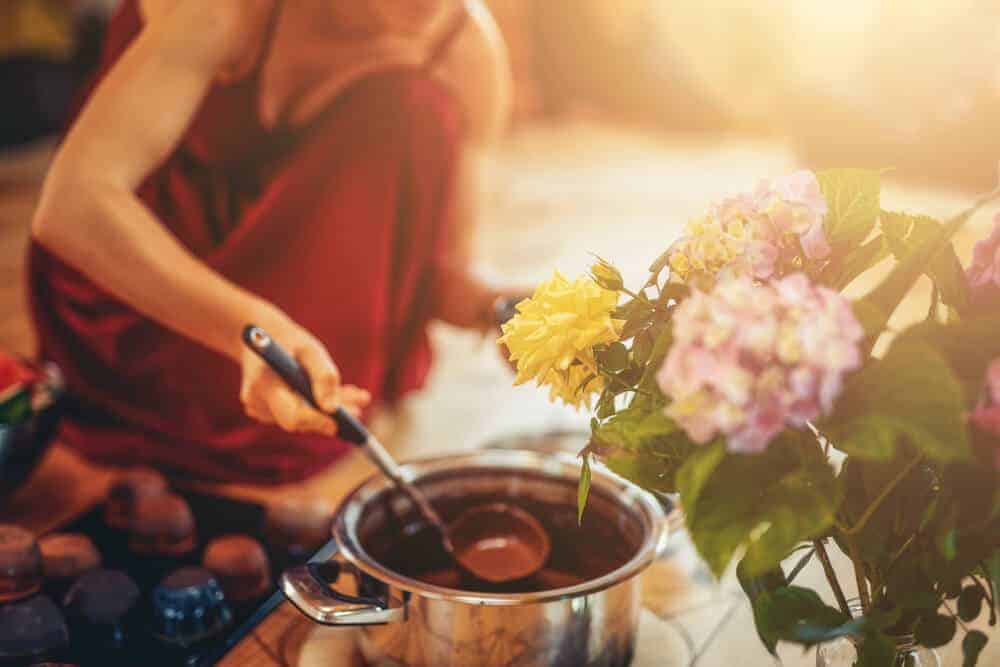
2. Cacao Drinking: The cacao is consumed slowly, with mindfulness, focusing on its warmth, taste, and the intention behind it.
3. Guided Experience: This could include meditation, breathwork, chanting, or movement to deepen the connection with the heart.
4. Sharing and Reflection: Participants may be invited (but never forced) to share their experiences, feelings, or insights.
5. Closing Ritual: The ceremony ends with gratitude, gentle grounding exercises, and sometimes blessings for the journey ahead.
The atmosphere is typically warm, inclusive, and deeply nurturing.
Is Cacao Safe for Everyone?
Ceremonial cacao is generally safe for most people. However, individuals with heart conditions, those on antidepressant medications (especially MAOIs or SSRIs), or those sensitive to stimulants should consult a healthcare professional before participating.
It’s also important to source high-quality, ethically produced cacao, as it maintains the pure properties needed for a true ceremonial experience.
Simple Ways to Start Your Own Cacao Ritual
You don’t need to attend a large ceremony to enjoy the benefits. You can create a small, personal cacao ritual at home:
– Prepare cacao mindfully: Melt ceremonial-grade cacao with water and a pinch of cinnamon.
– Set an intention: Ask yourself, “What do I want to invite into my heart today?”
– Sip slowly: Treat the cacao as a sacred offering, savoring each sip with gratitude.
– Reflect or journal: Spend some time noticing any emotions or thoughts that arise.
Even a 15-minute cacao ritual can reconnect you with your heart and help ground your recovery journey.
Final Thought
Healing from addiction, trauma, or emotional pain is not just about changing behaviours; it’s about transforming the relationship you have with yourself. Cacao ceremonies offer a gentle, heart-centered way to nurture that relationship.
By supporting emotional openness, nervous system health, community building, and spiritual connection, cacao becomes more than just a drink, it becomes a bridge to deeper healing.
In a world that often pushes for quick fixes, cacao reminds us to slow down, listen inward, and heal through the heart.
Sources
– Socci, V., Tempesta, D., Desideri, G., De Gennaro, L., & Ferrara, M. (2019). Enhancing Human Cognition with Cocoa Flavonoids. Frontiers in Nutrition, 6, 77. [https://doi.org/10.3389/fnut.2019.00077](https://doi.org/10.3389/fnut.2019.00077)