
Most dog owners notice a slowdown around age seven and chalk it up to personality. The truth is, older dogs face a distinct set of medical challenges that are easy to miss precisely because they creep in slowly and quietly.
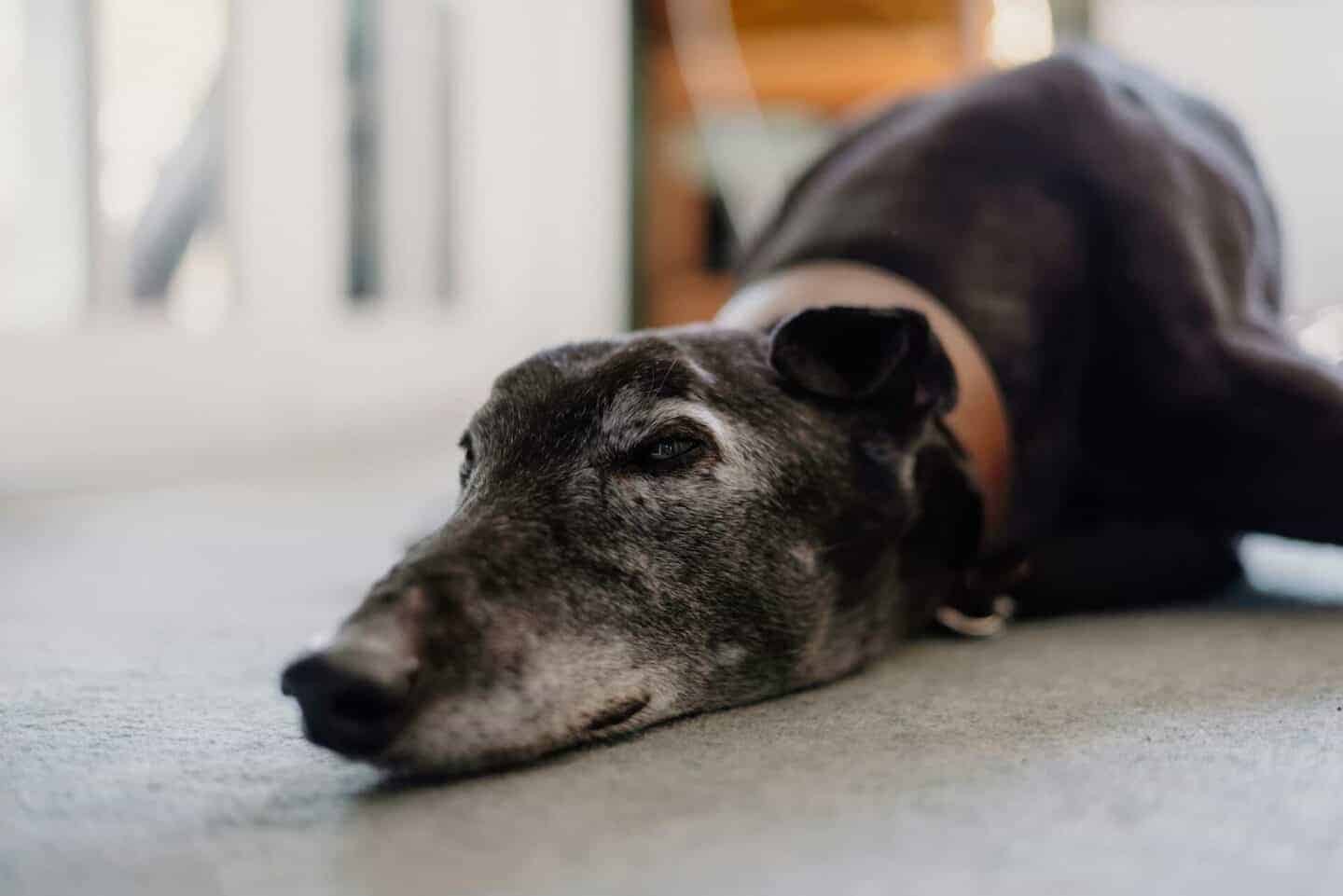
Knowing what to watch for means you can act early, keep your dog more comfortable, and sidestep the kind of expensive emergency care that comes from problems left too long. Here are seven health problems that hit senior dogs hardest.
Arthritis and Joint Pain
Arthritis is by far the most widespread condition in older dogs, affecting an estimated 80% of dogs over eight years old, according to a 2022 review published in the Veterinary Journal. Cartilage wears away over time, and the bone-on-bone friction that follows causes pain, stiffness, and shrinking mobility. You’ll notice it in small ways at first: a reluctance to climb stairs, a slower rise in the mornings, walks that used to excite your dog now met with indifference. Some pet owners can find nearby vet at https://www.vetnearme.pet/ and compare local clinic prices before booking a physical assessment, since ongoing arthritis management often involves regular check-ups and can add up in cost. Treatment typically includes anti-inflammatory medication, joint supplements like glucosamine and omega-3 fatty acids, weight control, and sometimes physiotherapy. Catching it early makes a measurable difference to your dog’s quality of life.
Dental Disease
By age three, most dogs already show signs of periodontal disease, and by senior years, the picture is often much worse. Bacteria build up beneath the gum line, causing infection, tooth loss, and a grinding chronic pain that many dogs mask well because they push through discomfort and keep eating anyway. But the real danger reaches beyond the mouth; bacteria from dental infection can enter the bloodstream and damage the heart, kidneys, and liver over time. Regular professional dental cleans under anaesthetic are the gold standard, though many owners wait until things get obvious. Signs worth watching for include breath that’s noticeably fouler than usual, pawing at the mouth, drooling, or dropping food mid-chew. Brushing your dog’s teeth at home at least three times a week, using veterinary-approved toothpaste, slows progression significantly and trims the lifetime cost of dental treatment.
Cognitive Dysfunction Syndrome
Canine cognitive dysfunction syndrome (CDS) is, in effect, the dog equivalent of dementia. It affects around 28% of dogs aged eleven to twelve, and over 68% of dogs aged fifteen to sixteen, according to data published by the American Veterinary Medical Association. Affected dogs may seem confused in familiar environments, forget their house training, pace at night, stare blankly at walls, or pull back from family interaction. It’s distressing to watch, and it’s often misread as the dog simply “getting old.” There’s no cure, but a specialised diet combined with mental enrichment and medications such as selegiline can slow progression and improve daily comfort. Mention any behavioural changes to your vet early rather than assuming they’re just normal ageing, early diagnosis genuinely shifts outcomes here.
Kidney Disease
Chronic kidney disease (CKD) ranks among the leading causes of death in older dogs. The kidneys filter waste from the blood, and as their function drops off, toxins accumulate throughout the body. Early symptoms are easy to overlook: slightly increased thirst, more frequent urination, a mild dip in appetite. By the time an owner notices obvious illness, the kidneys are often already badly damaged. Blood and urine tests can flag CKD long before visible symptoms surface, which is why annual senior health screenings carry so much weight. A phosphorus-restricted diet, increased hydration, and sometimes medication to manage blood pressure or anaemia can slow the disease considerably. If your dog is over seven, routine bloodwork every twelve months is one of the most practical things you can do.
Heart Disease
Dilated cardiomyopathy and mitral valve disease are the two most common cardiac conditions in older dogs. Smaller breeds tend toward mitral valve disease, with Cavalier King Charles Spaniels especially prone to it from a relatively young age. The heart gradually becomes less effective at pumping blood, and fluid can pool in the lungs as a result. Early signs include a persistent cough (particularly at night or after exercise), reduced stamina, and laboured breathing. And here’s the thing, your vet can often detect a heart murmur with a stethoscope before symptoms get serious, which is another strong argument for regular check-ups. Medication can manage many cardiac conditions effectively for months or years; it won’t reverse the underlying disease, but it extends good-quality life in a way that matters enormously to both dog and owner.
Cancer
Cancer is the leading cause of death in dogs over ten years old, responsible for nearly half of deaths in that age group according to the Kennel Club. Many canine cancers, when caught early, respond well to treatment, so early detection isn’t just helpful, it’s the whole game. Common types include mast cell tumours, osteosarcoma, lymphoma, and mammary tumours in unspayed females. Check your dog regularly for lumps, swellings, sores that won’t heal, unusual bleeding, or unexplained weight loss. Don’t wait to see whether a lump disappears on its own; that instinct can cost critical treatment time. Surgical removal, chemotherapy, and radiation are all options depending on the type and stage. Your vet may recommend referral to a veterinary oncologist, and many practices can arrange that quickly if needed.
Vision and Hearing Loss
Sensory decline is common in older dogs and often goes unaddressed because it creeps in so gradually. Nuclear sclerosis, a bluish haze in the lens, appears in most dogs over seven and is a normal age-related change, though cataracts, which cause genuine vision loss, are a separate concern. Hearing loss tends to develop slowly too; many owners mistake it for selective listening (honestly, a fair assumption at times). So a dog that no longer responds to its name from another room, or startles when approached from behind, is most likely losing auditory function rather than staging a silent protest. Neither condition is typically painful, but both change how your dog experiences the world and how you need to communicate with it. Switch to hand signals alongside verbal commands while your dog can still see well, that way, the move to sight-only cues isn’t a sudden shock if hearing goes completely.
Conclusion
Older dogs are more vulnerable than they look, and the conditions that affect them most, from joint pain to kidney disease to cancer, are far more manageable when you catch them early. Annual senior health checks, routine bloodwork, and close attention to shifts in behaviour or energy level are your most practical tools. You can’t stop your dog from ageing, but you can absolutely shape how comfortably they do it.