
The foreign exchange market, often referred to as the Forex or FX market, is the world’s largest and most liquid financial marketplace, where currencies are exchanged around the clock. It serves as a cornerstone of the global economy, facilitating international trade, cross-border investments, tourism, and economic growth by enabling the seamless conversion of one currency into another.
For Australian investors, businesses, and individuals, understanding the mechanics of the Forex market is essential. Whether managing exposure to currency fluctuations or exploring opportunities in forex trading, a solid grasp of how the market operates can help participants make informed decisions and navigate the complexities of the global financial landscape with greater confidence.
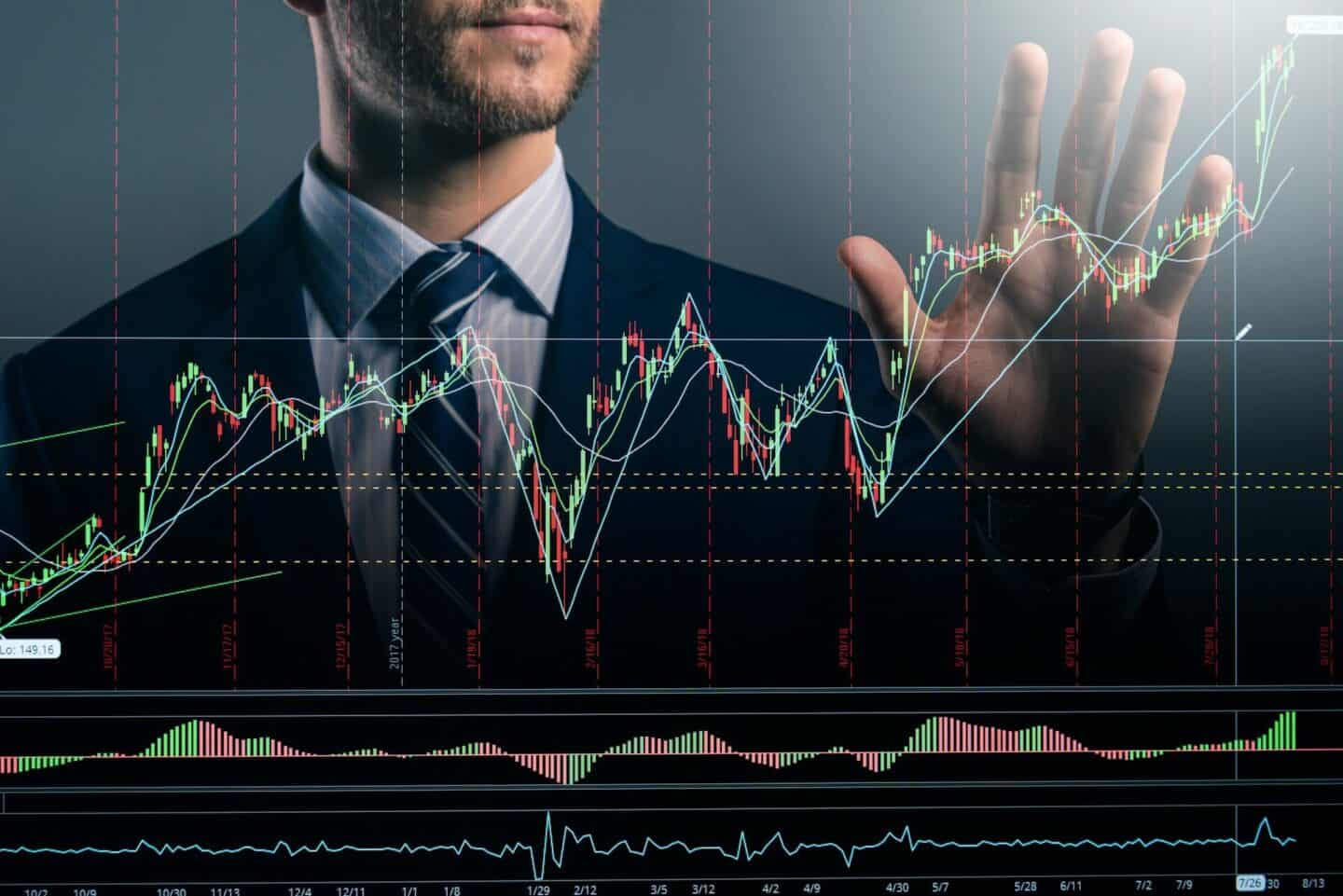
Understanding the Forex Market
The Forex market is the largest and most liquid financial market in the world, with trillions of dollars traded daily. Unlike the stock market, it does not have a centralised exchange. Instead, it operates over-the-counter (OTC), meaning transactions occur electronically between a network of banks, financial institutions, brokers, and individual traders across different time zones.
Currencies are always traded in pairs, such as AUD/USD (Australian Dollar to US Dollar). When trading a currency pair, one currency is bought while the other is sold simultaneously. The value of a currency pair fluctuates based on supply and demand dynamics, economic performance, interest rates, geopolitical events, and market sentiment.
How the Forex Market Operates
The Forex market operates 24 hours a day, five days a week, across major financial centres including Sydney, Tokyo, London, and New York. This continuous operation is due to the global nature of currency trading, with markets overlapping across time zones.
In Australia, the trading day typically begins with the Sydney session, making it one of the first major markets to open globally. This gives Australian traders early access to market movements influenced by regional economic data and announcements.
Participants in the Forex market include central banks, commercial banks, hedge funds, corporations, and retail traders. Central banks, such as the Reserve Bank of Australia, play a significant role by implementing monetary policy and influencing currency stability through interest rate decisions and market interventions.
Key Drivers of Currency Movements
Several factors influence currency prices in the Forex market:
- Interest rates: Higher interest rates can attract foreign investment, increasing demand for a currency.
- Economic indicators: Data such as GDP growth, employment figures, and inflation reports impact market confidence.
- Geopolitical events: Political stability or uncertainty can strengthen or weaken a currency.
- Market sentiment: Traders’ expectations and risk appetite often drive short-term price movements.
In Australia, regulatory oversight is provided by the Australian Securities and Investments Commission (ASIC), which ensures that Forex brokers operate fairly and transparently, protecting retail investors from misconduct and excessive risk.
Forex Trading in Australia
Retail Forex trading has become increasingly accessible in Australia through online trading platforms. Traders can speculate on currency movements using leverage, which allows them to control larger positions with a smaller initial investment. However, while leverage can amplify profits, it also increases potential losses, making risk management essential.
Australian traders often focus on major currency pairs involving the Australian Dollar, such as AUD/USD, AUD/JPY, and AUD/EUR. These pairs are influenced by Australia’s export-driven economy, particularly commodities like iron ore and coal.
Conclusion
The Forex market is a dynamic and interconnected global system that facilitates currency exchange and supports international economic activity. For Australians, it offers opportunities for trading, hedging, and investment, but it also requires a strong understanding of market fundamentals and risk management principles.
By staying informed about economic indicators, central bank policies, and global events, traders can make more informed decisions in an ever-changing financial landscape.