
The school holidays have a way of stretching out in front of you like a long, unstructured question mark. The first few days feel like a treat for everyone, and then somewhere around day four the routine has collapsed, the kids are bored by ten in the morning, and the tablet starts looking like the easiest answer to everything. If that sounds familiar, you’re in good company. Most parents hit the same wall, and it has nothing to do with a lack of effort. It’s simply that keeping children busy and moving for weeks on end takes more planning than term time ever does.
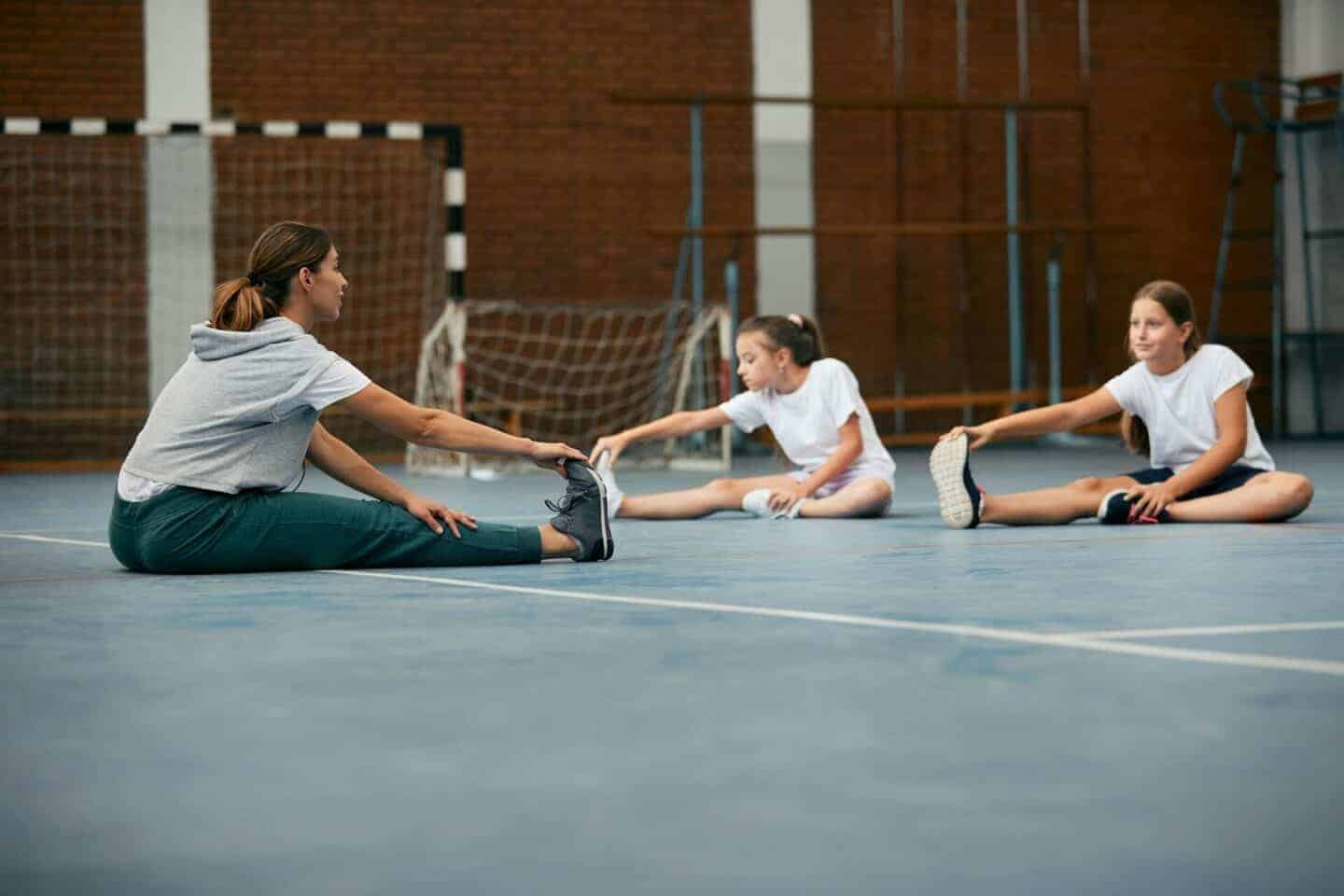
The good news is that active holidays don’t require elaborate schemes or endless spending. What they need is a bit of structure, a few reliable ideas, and a realistic sense of what your kids will actually enjoy. Once you have those in place, the screens stop being the default and start becoming what they should be, which is one option among many rather than the thing that fills every gap.
Why Holiday Activity Matters More Than You Might Think
During term time, kids get a surprising amount of movement built into their day without anyone thinking about it. There’s the walk to school, PE lessons, lunchtime running around, and after-school clubs. When the holidays arrive, all of that disappears at once, and it’s easy to underestimate how much of a difference it makes.
Children who go from a full, active school day to long stretches of sitting around often sleep worse, eat more erratically, and get scratchier with siblings by mid-afternoon. It’s not bad behaviour so much as unused energy with nowhere to go. Regular movement during the holidays helps kids settle at night, keeps moods on a more even keel, and makes the whole household calmer. It also means the return to school in September is far less of a shock to the system.
None of this means every day needs to look like a sports day. Even one solid block of proper activity, an hour or so where they’re genuinely moving, changes the shape of the entire day.
Structured Programs Take the Pressure Off You
There’s a limit to how many activities one parent can invent, supervise, and referee before running out of steam, especially if you’re juggling work through the holidays as well. This is where structured holiday programs earn their keep. Sports camps and coaching programs give children a full day of movement, proper instruction, and the chance to make new friends outside their usual school circle, all while someone else handles the organising.
The variety on offer has grown enormously in recent years. Alongside the traditional football and swimming options, many families are now looking at basketball camps for kids and similar skills-based programs, which suit children who want something fast-paced and team-oriented but a little different from the sports everyone else at school is doing. A camp environment also does something that’s hard to recreate at home. Kids push themselves further when they’re surrounded by other children, guided by coaches who know how to make drills feel like games rather than work.
Even booking just a few days of a program across the holidays can transform the rhythm of those weeks. The kids come home tired in the best possible way, and you get a handful of days where the activity question is completely answered before breakfast.
Simple Ideas at Home That Actually Get Used
For the days in between, the trick is to keep ideas simple enough that they actually happen. Grand plans have a habit of staying plans. A garden obstacle course made from whatever is lying around, a skipping rope challenge where everyone tries to beat yesterday’s score, or a game of driveway hopscotch will get used far more often than anything requiring special equipment or a car journey.
Walking works harder than most parents give it credit for, especially when it’s dressed up as something else. A scavenger hunt around the neighbourhood, a nature bingo card in the local park, or a mission to find five different coloured front doors turns a walk kids would groan about into a game they ask to repeat. Water play earns its place on warm days too, because nothing burns energy quite like a sponge battle in the garden.
Household jobs can be smuggled in as well. Washing the car, sweeping the patio, or racing to tidy a room against the clock all count as movement, and you get something useful out of it at the same time.
Getting a Reluctant Child Moving
Some kids leap at any chance to run around. Others treat the suggestion of going outside like you’ve proposed a trip to the dentist. If yours falls into the second camp, the way in usually isn’t more encouragement, it’s more control handed over to them. Let them pick the activity, even if it’s not the one you’d choose. A child who chose the game is invested in the game.
Inviting a friend along changes everything for a lot of children. An activity that felt like a chore alone becomes something entirely different with a mate involved. Keeping sessions short helps too. Twenty minutes of enthusiastic movement beats an hour of dragged feet, and short bursts often stretch themselves out naturally once kids get going.
Joining in yourself might be the most effective tool of all. Children take their cues from what you do far more than what you say, and a parent who’s genuinely playing rather than supervising from a deckchair makes activity feel normal rather than assigned.
Building a Loose Holiday Rhythm
You don’t need a colour-coded timetable stuck to the fridge. What works for most families is a loose rhythm where each day has one anchor of proper activity, ideally earlier rather than later. Morning movement tends to happen because nothing has derailed the day yet, and it sets a tone that carries through to the afternoon.
Once that anchor is in place, screens find their natural spot as a wind-down rather than a way of life. Kids who have already run, played, and worn themselves out will happily watch something in the late afternoon, and you won’t feel a flicker of guilt about it. That’s the balance worth aiming for across the holidays. Not screen-free perfection, just days where the active part comes first and everything else follows.