
Watching your child suffer from mental health challenges can be one of the most difficult things a mother can face. The sense of helplessness, anxiety, and deep concern can take a major toll on the whole family, not just your child.
Unfortunately, mental health diagnoses are rising amongst children. Part of this is that the stigma around mental health is dropping, and more people are willing to seek support, but there are also suggestions that this rise is due to social factors as well.
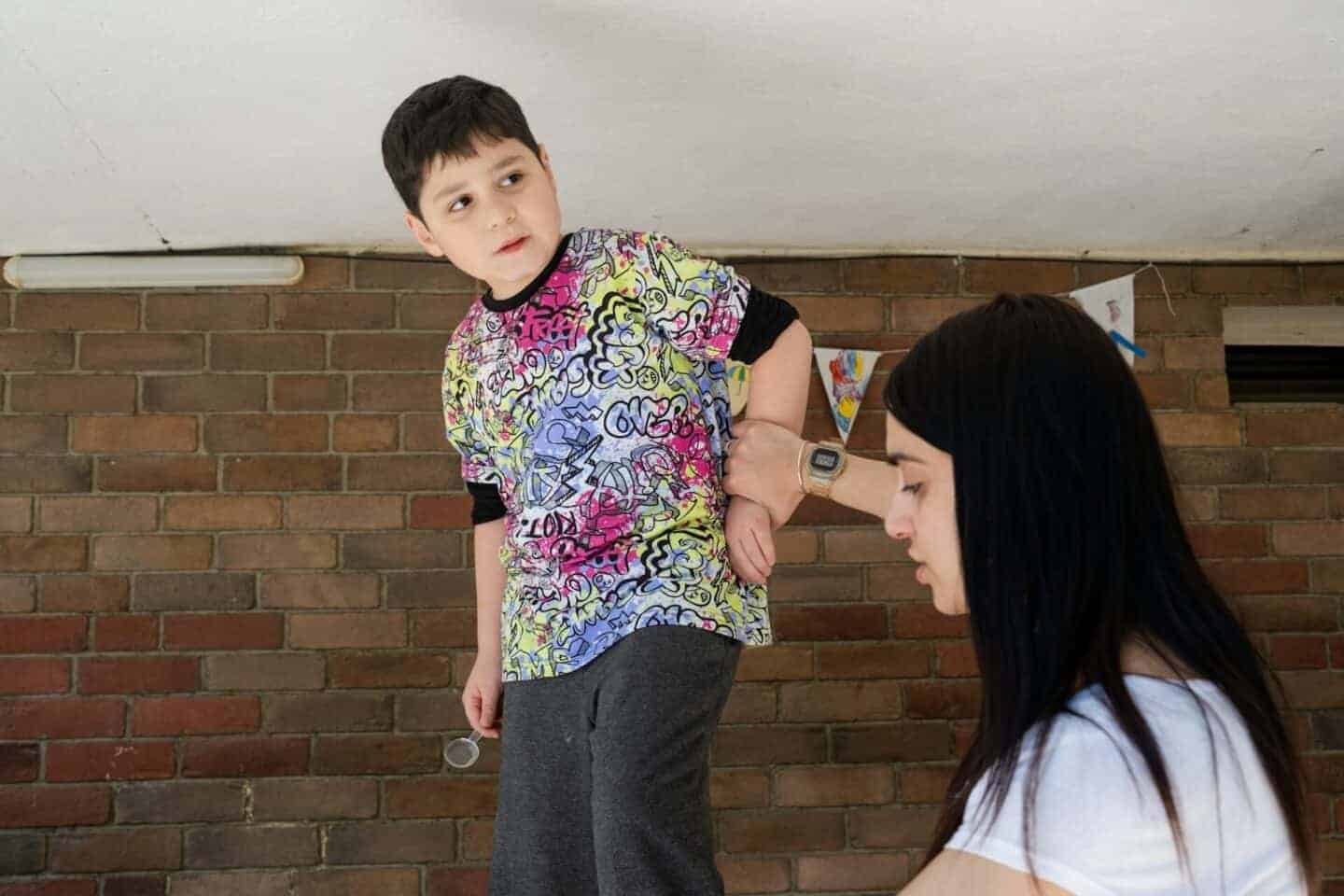
Parents are a child’s primary support system and their greatest advocates. While receiving a mental health diagnosis for your child is scary, you can take charge and support your child through this challenging period with these simple tips.
Educate Yourself About the Condition and How It Changes Over Time
Support from other parents who have been through the same thing can help you prepare for what may lie ahead and offer helpful advice on handling everyday challenges. Finding a support group in your area, such as one run by the National Alliance on Mental Illness (NAMI), lets you get practical support and reassurance.
One thing parents sometimes overlook is understanding the illness’s underlying mechanics. Knowing what’s happening in your little one’s brain can help reframe behaviors from “bad” to a symptom that your child may not be able to control. This can reduce your frustration and guilt, letting you focus on solutions rather than blame.
Don’t hesitate to seek help from other resources, particularly your child’s school or therapist. Let them know what you need and ask what support systems are available in your area, whether that is a nonprofit or a low-cost community therapy clinic. Family therapy can also be helpful for parents, building strong communication skills and encouraging mutual support.
Emphasize Social Skills and Awareness
With mental health challenges, parents may overemphasize treatment, education plans, and medication management without thinking of their child’s day-to-day reality. Having friends can be a huge way to help your child feel safe, comfortable, and more resilient, but it can also be very hard for nervous or shy children to make friends.
If your child is struggling to make friends in their classroom, consider getting them involved in an age-appropriate hobby group or youth organization. These groups can offer them structure, purpose, and a sense of ownership.
You can also use this group to encourage your child to continue their mental health treatment, connecting the skills they’re learning in therapy to their real-world hobbies. For example, you could remind them that a good Girl Scout is a calm leader, and that what their therapist teaches them can help them get badges.
Perform a Thorough Background Check On Any Facilities
Some children may need more intensive support for their mental health, including inpatient treatment or residential behavioral health care. These children have complex needs that may not be met in the home environment, and facilities offer them a safe space to stabilize before they transition back into everyday life.
Parents often struggle with this decision, as there have been many reports raising concerns about child care facilities in recent years. One facility, The San Diego Center for Children, has received numerous complaints from families and children, alleging mistreatment.
However, careful research can reduce the risk and ensure your child’s safety. Many facilities are required to submit incident reports, which may be publicly available. You can also search for any news articles or reviews that mention conditions in the facility.
Make sure to involve your child in the decision if possible. Let them know that going to a facility is not a punishment, and it doesn’t make them a bad child; it’s a way to help them get better so they can stay healthy.
Give Yourself Grace
Moms often feel like they have to do it all for their children, especially if their child has complex behavioral health needs. However, you can’t fill from an empty cup, and your needs matter, too.
Your mood can have a significant impact on how your child feels and whether they are able to cope with their mental health condition. If you’re constantly stressed and upset, they may start to feel like a burden, and this can make it harder for them to manage their own feelings.
That’s why it’s okay to accept “good enough,” especially when navigating mental health challenges. You don’t need to have a spotless house or a perfect home-cooked meal every evening. If your child is fed, clothed, done with their homework, and in bed at a reasonable time, then you’re succeeding, even if it doesn’t feel that way.
Your life story is different from everyone else’s, and your child’s needs are too. Comparing yourself to other families without these challenges can cause resentment, depression, and unnecessary stress. Give yourself the right to be an imperfect human who is doing her best, and you might find that your child feels safe being themselves, too.